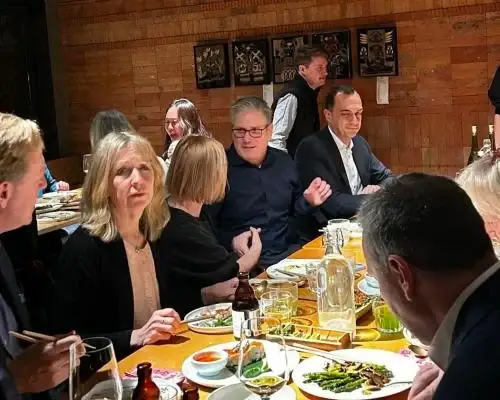
A restaurant in Beijing has unexpectedly found itself at the center of international attention following a high-profile diplomatic visit involving UK Prime Minister Keir Starmer. What might have been a routine political dinner has now turned into a viral talking point, with diners and online audiences asking the same question: What dishes did they eat?
Since the visit, the restaurant—widely referred to as “In and Out” in local and international coverage—has reportedly been fully booked. Visitors are now lining up not just for a meal, but for a taste of a moment that has been amplified by politics, celebrity curiosity, and social media buzz. Even more interesting, patrons are now being offered a special menu inspired by the same dishes served during the prime minister’s visit.
This blend of diplomacy, dining culture, and viral tourism has turned an ordinary restaurant experience into a global curiosity.
A Diplomatic Dinner That Turned Into a Viral Story
When high-level political figures dine abroad, the focus is usually on diplomacy, policy discussions, and bilateral relations. However, in this case, attention quickly shifted from politics to the plate.
During the visit of Keir Starmer to Beijing, reports indicate that he dined at a local restaurant that has since become a symbol of cultural exchange and curiosity. While official statements emphasized the diplomatic importance of the trip, the public conversation took a different direction entirely.
Instead of focusing solely on meetings and agreements, social media users and food enthusiasts began asking a more relatable question: what exactly was served at the dinner table?
The Restaurant at the Center of Attention
The Beijing restaurant, commonly referred to as “In and Out” in circulating reports, has experienced a surge in popularity since the visit. Reservations reportedly filled up quickly, with both locals and tourists eager to experience what has now become a symbolic dining location.
Although Beijing is home to thousands of restaurants ranging from street food stalls to Michelin-level establishments, this particular venue has gained sudden international visibility due to its association with the diplomatic visit.
Located in a city known for its rich culinary history, the restaurant now finds itself in an unusual position—balancing everyday service with global curiosity.
Beijing has long been a culinary destination, famous for dishes such as Peking duck, dumpling variations, and regional Chinese cuisine. But in this case, it is not just traditional food drawing attention—it is the story behind the meal.
“What Dishes Did They Eat?” Becomes the Internet’s Main Question
Almost immediately after the visit, online discussions shifted toward the menu. Food blogs, news outlets, and social media users began speculating about what was served during the dinner.
While official details remain limited, the restaurant has leaned into the attention by offering a special “Starmer visit-inspired” menu. This allows diners to experience a curated selection of dishes believed to reflect what was served during the diplomatic dinner.
The phrase “What dishes did they eat?” has since become a trending search query, reflecting the public’s fascination with the intersection of politics and food culture.
The Power of Food in Diplomacy
Food has always played a significant role in diplomacy. State dinners, official lunches, and informal meals often serve as opportunities for leaders to build relationships in a more relaxed setting.
In many cases, the menu is carefully selected to reflect cultural exchange, local tradition, and symbolic meaning. While politics dominates the headlines, it is often the food that captures public imagination afterward.
The Beijing dinner involving Keir Starmer is a modern example of this phenomenon. Even without full public disclosure of the menu, the idea of shared dining between leaders has become a focal point of interest.
The Rise of “Diplomatic Dining Tourism”
The restaurant’s sudden popularity highlights a growing trend: diplomatic dining tourism. This occurs when restaurants associated with political or celebrity visits become tourist attractions in their own right.
Visitors are no longer just interested in food quality—they are interested in context. Eating at a location where a global leader once dined adds a layer of storytelling to the dining experience.
In this case, diners are not just ordering meals; they are participating in a moment of political and cultural history.
Since the visit, reports suggest that the restaurant has introduced themed menus and promotional materials referencing the event, further fueling interest.
Inside the Special Menu Experience
While exact details of the dishes served during the original dinner have not been fully disclosed, the restaurant’s special menu reportedly draws inspiration from traditional Chinese cuisine with a modern presentation.
Typical elements of such diplomatic menus often include:
- Regional vegetable and meat dishes designed for sharing
- Signature rice or noodle dishes reflecting local culinary identity
- Lightly seasoned seafood preparations
- Seasonal ingredients emphasizing freshness and balance
The restaurant’s adapted menu allows customers to experience a similar dining journey, even if the original meal remains partially undisclosed.
This strategy not only satisfies public curiosity but also enhances the restaurant’s branding as a destination tied to a major international moment.
Social Media Amplification and Global Curiosity
As with many modern cultural events, social media has played a key role in amplifying the story. Photos of the restaurant, speculative menu breakdowns, and discussions about diplomatic dining culture have circulated widely.
The involvement of Keir Starmer has added global visibility, particularly among audiences in the United Kingdom and China. Users have debated everything from the symbolism of the meal to the importance of food in international relations.
This type of viral curiosity reflects how quickly local experiences can become global conversations in the digital age.
Why This Story Resonates Beyond Politics
At its core, the fascination with this Beijing restaurant is not just about politics—it is about human curiosity. Food is one of the most universal cultural connectors, and when combined with a high-profile visit, it becomes a story that transcends traditional news categories.
People are naturally drawn to details that feel personal and relatable. While diplomatic meetings are often abstract and complex, a shared meal is something everyone understands.
This is why the question “What dishes did they eat?” has proven so powerful—it transforms a political event into something tangible and accessible.
Beijing’s Culinary Identity in the Spotlight
The attention also shines a light on Beijing as a global food destination. The city’s culinary identity is deeply rooted in history, tradition, and regional diversity.
From imperial-era cuisine to modern fusion restaurants, Beijing offers a wide range of dining experiences that attract both locals and international visitors. The sudden spotlight on one restaurant reinforces the city’s reputation as a place where food and culture intersect.
For many travelers, this story may serve as an introduction to Beijing’s broader food scene, encouraging exploration beyond the viral moment.
Conclusion: When Politics Meets the Plate
The Beijing restaurant dining experience involving Keir Starmer has evolved into more than just a diplomatic meal—it has become a cultural talking point that blends politics, tourism, and culinary curiosity.
With the restaurant now fully booked and offering a special menu inspired by the visit, the story continues to attract attention from around the world.
Ultimately, this moment highlights how modern audiences engage with global events—not just through policy or headlines, but through human experiences like food.
And in this case, the simple question “What dishes did they eat?” has turned an ordinary dinner into an international conversation about diplomacy, culture, and the universal language of food.
Leave a Reply