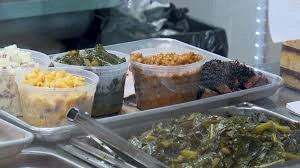
Barbecue is a culinary institution in Charlotte, North Carolina, celebrated for its smoky flavors, slow-cooked meats, and communal dining experience. However, 2026 has brought an unexpected challenge: record-high beef prices. Restaurant owners across the city are grappling with the financial impact, and diners are beginning to feel the effects on menus and portions.
The price of beef has steadily risen over the past few years due to factors such as supply chain disruptions, inflation, extreme weather, and global demand for protein. This year, beef prices have reached an all-time high, putting a strain on small and medium-sized barbecue establishments that rely on high-quality cuts for their signature dishes.
Why Beef Prices Are Soaring
Several factors have contributed to the record-breaking beef prices:
- Supply Chain Challenges: From ranchers to processing plants, disruptions in the beef supply chain have reduced the available inventory, causing upward pressure on prices. COVID-19’s lingering effects on labor shortages in meatpacking plants continue to play a role.
- Inflation: Rising operational costs for farmers and distributors have translated into higher beef prices for restaurants. Fuel, feed, and labor costs have all contributed to the overall increase.
- Extreme Weather and Drought: North Carolina and other states have faced weather events that impacted cattle feed and grazing conditions. Droughts and flooding reduce herd sizes and quality, driving prices higher.
- Global Demand: International markets, especially in Asia and Europe, have seen increased demand for U.S. beef. Export competition reduces domestic supply and contributes to price spikes.
According to the U.S. Bureau of Labor Statistics, the average retail price for beef in 2026 has surpassed $7 per pound — the highest in U.S. history. (bls.gov)
Impact on Charlotte Barbecue Restaurants
Charlotte is known for its vibrant barbecue scene, ranging from family-owned smokehouses to modern, trendy eateries. Beef is central to many menu staples, including brisket, pulled beef sandwiches, and ribs. With rising beef costs, restaurants face difficult decisions:
- Menu Adjustments: Some establishments are reducing portion sizes or increasing prices to offset the higher costs.
- Supplier Negotiations: Restaurants are working closely with local suppliers to secure competitive pricing or consider alternative beef cuts without sacrificing flavor.
- Menu Innovation: Chefs are experimenting with pork, chicken, and plant-based options to offer flavorful dishes at lower costs.
Owner Marcus Hill of Hill’s Smokehouse in Charlotte explained, “We’ve seen a 25% increase in our beef costs this year. Our goal is to maintain the quality our customers expect while navigating these challenges.”
Shifting Consumer Behavior
The high cost of beef affects not only restaurants but also consumer choices. Diners are increasingly evaluating:
- Menu Prices: Many customers are more selective, choosing items that offer perceived value for money.
- Protein Substitutes: Pork, chicken, and plant-based barbecue options are gaining traction as alternatives to expensive beef dishes.
- Dining Frequency: Some households are reducing the number of times they eat out, preferring home-cooked meals to manage budgets.
Consumer data from The NPD Group suggests that while overall barbecue dining remains popular, visits may decline slightly as beef prices climb, particularly for premium cuts like brisket and ribeye. (npd.com)
Strategies for Restaurants to Cope
Charlotte barbecue restaurants are adopting several strategies to manage the beef price surge while maintaining customer satisfaction:
1. Diversifying the Menu
Chefs are emphasizing pork shoulder, chicken wings, smoked sausage, and plant-based proteins to provide alternatives that are less impacted by market fluctuations.
2. Promoting Value Meals
Offering combo plates or family packs allows customers to enjoy barbecue at a more predictable cost, balancing higher beef prices with more affordable side items.
3. Locally Sourced Ingredients
Restaurants sourcing beef from local farms reduce transportation costs and often negotiate better pricing for bulk orders. This approach also appeals to consumers interested in supporting the local economy.
4. Creative Marketing
Promoting limited-time specials, seasonal dishes, or innovative side options keeps customers engaged and mitigates the perception of higher prices.
5. Operational Efficiency
Restaurants are improving inventory management, waste reduction, and portion control to minimize losses and maintain profitability despite rising beef costs.
Spotlight: Charlotte Barbecue Favorites
Even amid rising costs, several Charlotte barbecue spots remain committed to quality and tradition:
- Midwood Smokehouse: Known for its Texas-style brisket, the restaurant is experimenting with mixed meat platters to keep prices reasonable.
- Mac’s Speed Shop: Famous for pulled pork and brisket tacos, Mac’s is introducing smoked chicken specials to offset higher beef costs.
- Q Shack: This family-owned eatery emphasizes locally sourced meats and is marketing combo plates that mix pork, chicken, and beef.
Despite challenges, Charlotte restaurants continue to deliver authentic barbecue experiences that maintain loyalty among locals and tourists alike.
Long-Term Implications
The record-high beef prices have prompted industry-wide reflection on sustainability and supply resilience:
- Alternative Proteins: The surge in plant-based and lab-grown meat options may become increasingly important for restaurants seeking to diversify protein offerings.
- Consumer Education: Restaurants can highlight the quality and sourcing of beef, helping diners understand price increases are tied to premium cuts and ethical farming practices.
- Local Supply Chains: Building relationships with regional farmers strengthens supply stability and allows for better negotiation during price fluctuations.
Economic analysts predict that while beef prices may stabilize, restaurants that adapt creatively will emerge stronger and continue to thrive in Charlotte’s competitive culinary landscape.
Tips for Consumers
For diners looking to enjoy barbecue without overspending during this beef price surge:
- Explore Alternative Proteins: Try smoked pork, chicken, or plant-based barbecue options.
- Visit Local Farmers’ Markets: Purchasing beef or other meats directly from local producers can sometimes be more cost-effective.
- Plan Family Meals: Sharing combo plates or bulk meals reduces the per-person cost.
- Stay Informed: Follow restaurant specials and promotions to get the best value without compromising on quality.
Conclusion
Charlotte’s barbecue scene faces a challenging year in 2026 due to record-high beef prices, but resilience and creativity are key. Restaurants are diversifying menus, sourcing locally, and offering alternative proteins to maintain quality and affordability. Consumers, meanwhile, are adapting their dining habits, embracing plant-based options, and exploring mixed-protein meals.
While the spike in beef prices presents a temporary hurdle, Charlotte barbecue culture is strong, rooted in tradition, innovation, and a deep appreciation for flavor. For restaurateurs and diners alike, this moment is an opportunity to innovate, connect with local producers, and redefine barbecue experiences for a changing market.
Leave a Reply