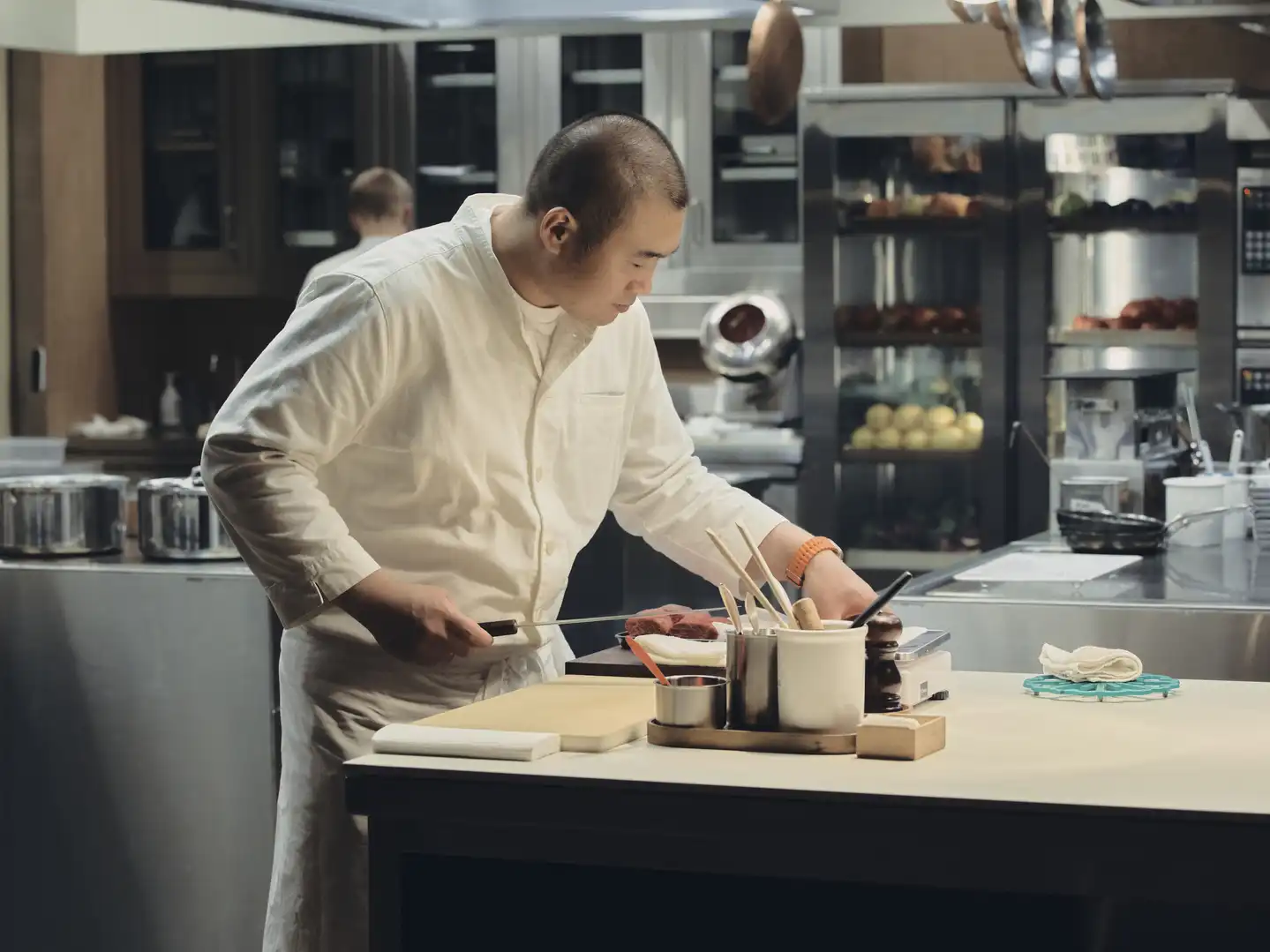
In less than two years since its opening in Seoul, Restaurant SAN has captured the attention of the global culinary world — an impressive feat for a young fine dining establishment. SAN recently earned a spot at No. 54 on the extended list of Asia’s 50 Best Restaurants 2026 and was also awarded a Michelin star, cementing its status as one of Asia’s most promising and innovative dining destinations.
This remarkable rise reflects not just SAN’s exceptional cuisine, but also the broader surge in global recognition for Korean fine dining — a movement that has put Seoul firmly on the gastronomic map alongside long‑established culinary capitals. In this comprehensive article, we explore Restaurant SAN’s story, its distinctive approach to Korean flavors, the significance of its accolades, and the wider context of Korea’s evolving culinary scene.
From Seoul to the World: SAN’s Rapid Rise
Restaurant SAN opened its doors less than two years ago, and its inclusion on the extended list of Asia’s 50 Best Restaurants so early in its lifespan is nothing short of extraordinary. According to chef Jo Seung‑hyun, the recognition was unexpected and deeply meaningful, validating the team’s culinary direction and high standards.
The restaurant’s No. 54 ranking in the extended list highlights both its creativity and its resonance with judges from the Asia’s 50 Best Restaurants Academy — a group of over 350 industry experts, including chefs, critics, restaurateurs, and food writers.
But SAN’s achievement doesn’t stop at this ranking. It also secured a Michelin star, one of the highest honors in the world of fine dining. Earning this designation in such a short timeframe speaks volumes about the restaurant’s commitment to excellence and the caliber of its culinary vision.
What Makes SAN’s Cuisine Special
At the heart of SAN’s success is its unique approach to Korean flavors. Unlike many traditional Korean restaurants that focus on well‑known classics, SAN embraces the essence of Korean ingredients while reinterpreting them through a contemporary fine dining lens.
The chef and his team take inspiration from Korea’s rich culinary heritage — from fermented sauces and seasonal produce to time‑honored techniques — and blend these with innovative presentations, textures, and flavor contrasts that surprise and delight diners. This balance of tradition and modernity sets SAN apart.
Critics and diners alike have praised SAN for its thoughtful menus that feel both rooted in Korean identity and fresh in their global appeal. It’s this combination that appears to have captured the attention of both Asia’s 50 Best Restaurants voters and Michelin inspectors.
Asia’s 50 Best Restaurants: What the Extended List Means
The Asia’s 50 Best Restaurants awards have become one of the most influential guides to the region’s dining scene, offering a snapshot of the most compelling culinary destinations across Asia. The list is split into the main Top 50 and an extended list covering positions 51–100, which shines a spotlight on rising and noteworthy restaurants that are pushing culinary boundaries.
SAN’s ranking at No. 54 places it among an elite group of restaurants that are rapidly gaining global recognition, often before they have even had time to establish decades‑long reputations. The extended list is voted on by the same panel that decides the Top 50 and includes influential culinary insiders from around the world.
While SAN did not make the main Top 50 this year, its presence on the extended list — alongside acclaimed restaurants from cities like Singapore, Bangkok, and Hong Kong — signals a strong endorsement of its culinary merit and future potential.
Michelin Star: A Mark of Excellence
Earning a Michelin star is one of the most prestigious accolades a restaurant can receive. Michelin inspectors evaluate establishments anonymously, focusing on criteria such as quality of ingredients, mastery of technique, culinary personality, value for money, and consistency of food and service. A Michelin star indicates that a restaurant is “worth a stop” for diners seeking exceptional cuisine.
For SAN to secure a Michelin star within two years of opening is a testament to the dedication and skill of its kitchen and service teams. It also places SAN in the company of other celebrated Seoul restaurants that have garnered Michelin recognition, such as Mingles, a contemporary Korean fine dining restaurant in Seoul’s Gangnam District that has earned three Michelin stars and continues to gain global praise.
Michelin recognition can transform a restaurant’s profile almost overnight. It attracts international travelers, culinary enthusiasts, and food media — further elevating the reputation of SAN and contributing to Seoul’s growing status as a global food destination.
Seoul’s Culinary Renaissance
Restaurant SAN’s rise is also part of a larger phenomenon: Seoul’s emergence as a global gastronomic hub. In the latest Asia’s 50 Best Restaurants list, Korean restaurants have enjoyed strong representation. Beyond SAN’s appearance on the extended list, several Korean establishments ranked within the Top 50, including Mingles at No. 4, and other notable entries such as Onjium, Eatanic Garden, Mosu, Bium, and 7th Door.
This broader presence highlights how Korean cuisine — in both traditional and modern forms — is increasingly recognized for its creativity, sophistication, and global relevance.
The diversity of Seoul’s dining scene is evident in the variety of restaurants that have achieved distinction. From the highly experimental and Michelin‑acclaimed fine dining concepts to innovative contemporary kitchens, Seoul now competes with other culinary capitals in Asia, like Tokyo, Bangkok, and Singapore.
The Global Attention on Korean Flavors
The global food community’s growing interest in Korean cuisine reflects broader cultural trends. Korean food has long been cherished for its bold flavors, use of fermentation, and vibrant palate. But in recent years, chefs like those at SAN have elevated it further by reimagining traditions in refined, inventive ways that appeal to international sensibilities.
This trend isn’t new. Restaurants such as Jungsik, another Seoul fine dining institution, have been instrumental in pioneering “New Korean” cuisine, blending traditional elements with modern techniques long before the current surge in attention.
However, SAN’s rapid ascent showcases how the next generation of Korean chefs is building on that foundation — crafting menus that are deeply rooted in culinary heritage but unapologetically forward‑looking. This fusion is redefining perceptions of Korean food around the world.
What’s Next for SAN and Korean Fine Dining
With recognition from both Michelin and Asia’s 50 Best Restaurants, SAN is poised for an exciting future. The accolades not only bring prestige but also attract a wider audience, including international diners and culinary talent.
For Seoul’s food scene, SAN’s success contributes to growing momentum. As more restaurants from Korea climb the global ranks, the city’s reputation as a must‑visit destination for food lovers strengthens — and with it, opportunities for collaboration, cultural exchange, and tourism.
Furthermore, the spotlight on restaurants like SAN encourages young chefs to innovate and push boundaries, enriching the culinary landscape even more. It also invites global audiences to explore Korean cuisine beyond iconic dishes like kimchi and barbecue — discovering the nuanced, elevated interpretations that fine dining can offer.
Conclusion
Restaurant SAN’s rapid rise — marked by its Asia’s 50 Best Restaurants extended list ranking and Michelin star recognition — highlights the power of innovation, cultural heritage, and culinary excellence. In less than two years, SAN has made an impression that resonates well beyond Seoul, captivating critics, diners, and culinary professionals around the world.
More than just a restaurant, SAN represents the dynamic evolution of Korean cuisine — a cuisine that honors tradition yet embraces creative reinterpretation. As SAN continues to grow and inspire, it underscores Seoul’s emergence as a global gastronomic destination worthy of discovery and celebration.
Citations
- Restaurant SAN’s unique take on Korean flavors earns global attention with Asia’s 50 Best extended list, Michelin star. Korea JoongAng Daily. https://koreajoongangdaily.joins.com/news/2026-03-30/culture/foodTravel/Restaurant-SANs-unique-take-on-Korean-flavors-earns-global-attention-with-Asias-50-Best-extended-list-Michelin-star/2552357
- Asia’s 50 Best Restaurants 2026: the 51–100 list revealed. The World’s 50 Best. https://www.theworlds50best.com/stories/News/asias-50-best-restaurants-2026-the-51-100-list.html
- Asia’s 50 Best Restaurants 2026 unveiled extended list. PR Newswire. https://www.prnewswire.com/news-releases/asias-50-best-restaurants-2026-unveils-this-years-extended-51-100-list-302708373.html
- Asia’s 50 Best Restaurants 2026 rankings. Channel NewsAsia. https://cnaluxury.channelnewsasia.com/experiences/asia-50-best-restaurants-2026-292966
- Mingles (restaurant) — Michelin‑starred fine dining in Seoul. Wikipedia. https://en.wikipedia.org/wiki/Mingles_%28restaurant%29
- Korean restaurants performance on Asia’s 50 Best list. Reddit. https://www.reddit.com/r/KoreaNewsfeed/comments/1s3p0mz/mingles_named_the_best_korean_restaurant_by_2026/
Leave a Reply