Welcome back, Munchers!
There’s a shift happening in our collective culinary consciousness. It’s not about a trendy new superfood or the latest molecular gastronomy technique. It’s far more fundamental, and it’s hitting us right where it hurts: the grocery bill.
You might have noticed it: the price tag on that choice cut of beef that made your jaw drop, the fluctuating cost of eggs that seems to change weekly, or the simple realization that your $100 grocery trip barely fills half a cart anymore. It’s not just you. This is the Great Grocery Pivot—the moment where global current events, from geopolitical instability to climate crises, converge right in your pantry, forcing us to rethink how we source, cook, and consume.
The silver lining? This moment of pressure is forging a new generation of smarter, more resourceful, and deeply connected home cooks. It’s time to stop lamenting the prices and start mastering the game.
This isn’t about giving up your favorite foods; it’s about making choices that are economically sound, environmentally savvy, and, frankly, better for your soul. Today, we’re diving deep into the global forces shaping our plates in late 2025 and laying out the five next-level moves every culinary enthusiast needs to adopt to thrive in this new food landscape.
The Global Jolt: Understanding the New Food Economy
To master your kitchen budget, you must first understand the world that feeds it. The reality is that the relative stability of the past few decades has been replaced by a dynamic, often volatile, food economy. While overall global food price indices show some recent declines, the picture on the ground—and specifically, in North American and European grocery aisles—is far more complex, characterized by specific, stubborn price hikes that are changing how we eat.
According to the FAO Food Price Index, overall commodity prices have generally eased slightly in recent months, marking a second consecutive monthly decline in October 2025 FAO Food Price Index | Food and Agriculture Organization of the United Nations. This might sound like a relief, but here’s the kicker: that dip is largely overshadowed by years of “perfect storm” crises ‘Perfect storm’ of global crises drove years of food price surges: FAO | UN News, meaning that the checkout price remains significantly higher than just a few years ago. One study noted that by September 2025, the price of “all food” was still over 18% higher than it was in January 2022 America’s deepening affordability crisis summed up in 5 charts – CBS News. For many of us, the pain is palpable, as almost half of Americans report that groceries are harder to afford now than they were a year ago America’s deepening affordability crisis summed up in 5 charts – CBS News.
The Supply Chain Squeeze and Geopolitical Friction
Beyond general inflation, several major current events are directly translating into empty spots on shelves and higher prices:
- Climate Instability: The looming threat of a stronger La Niña weather phenomenon in late 2025 is a massive economic concern. The International Monetary Fund (IMF) has warned that this climate pattern could reverse the downward price trend by causing droughts or floods in key agricultural regions IMF warns of risk of new surge in global food prices – UkrAgroConsult. When major crops like grains or coffee are hit by weather anomalies, the effects ripple globally within weeks.
- Infrastructure Shocks: Recent domestic events, such as the government shutdown noted in November 2025, have highlighted deep vulnerabilities in the agricultural system, potentially creating crop deficits and rising food costs for 2026 and 2027 How the Federal Shutdown Broke America’s Food Chain – Mother Jones. When services like inspections and financial aid to farmers stall, it impacts the entire system.
- Labor and Logistics: Persistent challenges like labor shortages, higher fuel costs for distribution, and increased regulatory and geopolitical tensions continue to make the movement of food more expensive and unpredictable Supply Chain Industry Challenges in 2025 and Beyond – Ernest Packaging. Every friction point adds dollars to the final price tag.
The Kitchen Commodities Under Pressure
Some food categories are faring worse than others. For the home cook, it’s essential to know which ingredients are turning into luxury items so you can plan accordingly.
The data for 2025 shows a few standout victims of this economic turbulence:
- The Beef Crisis: If you’ve been eyeing the sirloin, you’ve seen the sticker shock. Beef and veal prices are predicted to increase over 11.6% in 2025, soaring due to the ongoing reduction in the U.S. cattle herd Food Price Outlook – Summary Findings | Economic Research Service – ERS.USDA.gov. This isn’t just inflation; it’s a supply constraint that makes that Sunday roast a major investment.
- The Sugar Squeeze: Your baking habit is also getting pricier. Prices for sugar and sweets increased significantly in 2025 Food Price Outlook – Summary Findings | Economic Research Service – ERS.USDA.gov, a tough pill to swallow for anyone trying to bake their way through the economic blues.
- The Protein Rollercoaster (Eggs & Meat): While the global meat price index reached a new record high in September 2025, driven by bovine and ovine meats, the poultry and pig sectors saw some moderation FAO Food Price Index declined slightly in September. Eggs, still recovering from earlier outbreaks of Highly Pathogenic Avian Influenza (HPAI), continue to be significantly more expensive than a year prior Food Price Outlook – Summary Findings | Economic Research Service – ERS.USDA.gov.
For The Munchy reader, this means one thing: the days of thoughtless shopping are over. You need a strategy.
The Counter-Revolution: Why Home Cooking is King
The most powerful response to rising costs isn’t panic—it’s a return to the fundamentals of great cooking. Data shows that households are already recognizing this and making a profound shift: 80% of families report cooking more meals at home compared to dining out or ordering takeout in a bid to seek budget relief Consumers Seeking Budget Relief by Cooking at Home | HomePage News.
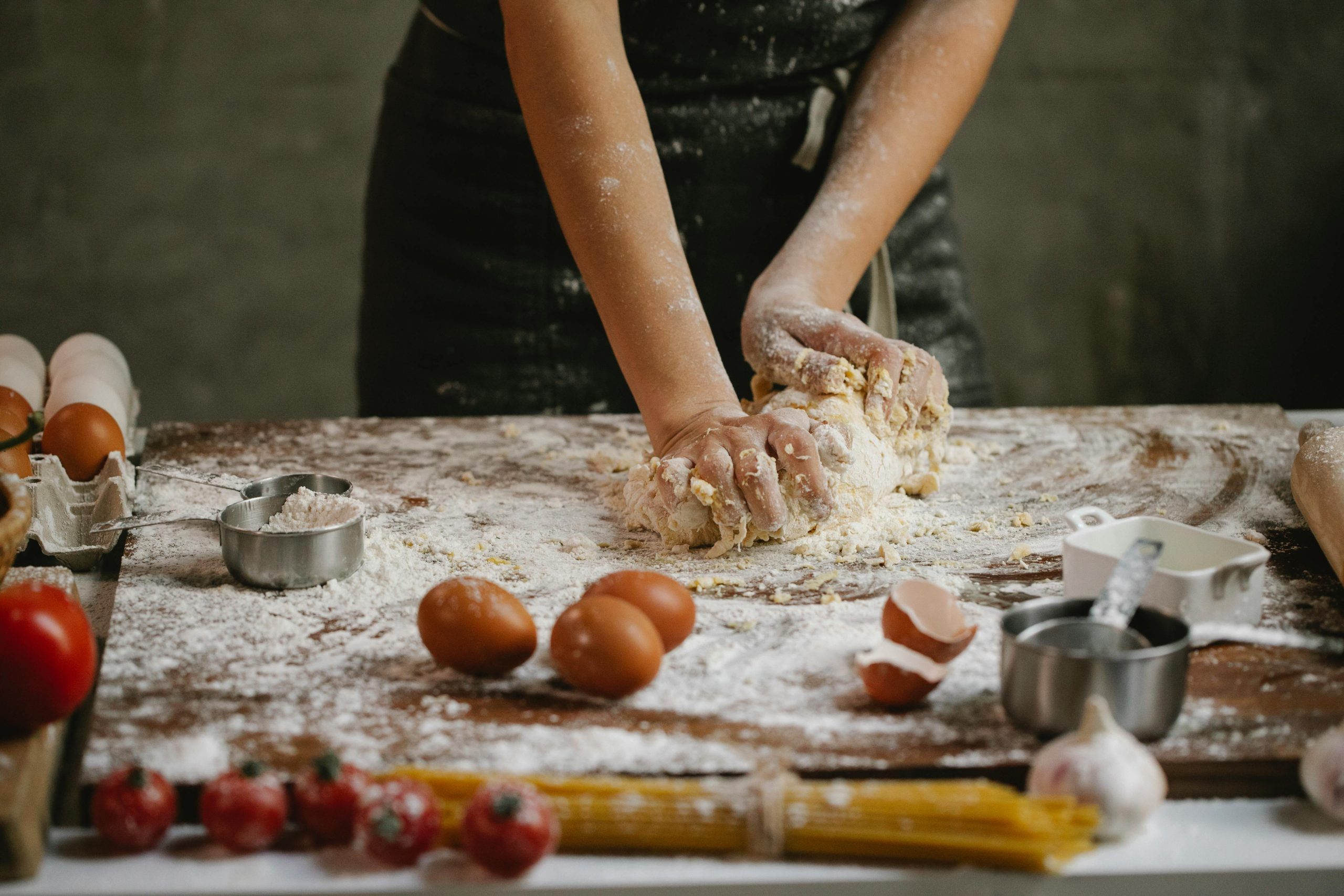
This collective movement back to the kitchen is more than just a financial necessity; it’s a cultural opportunity. When dining out becomes a prohibitively expensive treat, the quality and creativity of our home meals become our new luxury. We’re moving from convenience cooking to conscious cooking, embracing scratch cooking, budget-friendly ingredients, and meals that feel filling and indulgent without breaking the bank.
This pivot is leading to a resurgence in affordable, comforting foods like pasta and bread, the culinary equivalent of a warm hug in uncertain times 4 ways the cost-of-living crisis is influencing emerging consumer food trends. We are becoming Pantry Alchemists—learning how to transform humble, inexpensive ingredients into spectacular, memorable meals.
The Five Next-Level Moves Every Home Cook Needs to Make
To navigate this new economic reality and emerge as a culinary champion, you need more than just a vague intention to save money. You need specific, actionable strategies that address the actual market pressures detailed above.
Move 1: The Butcher Shop Budget Master (The Protein Pivot)
With beef prices skyrocketing, relying on expensive cuts for every meal is simply unsustainable. Your goal is to keep protein vibrant and central without bankrupting your weekly budget.
The Strategy: Diversify and utilize overlooked cuts.
- Embrace the Off-Cuts: Stop thinking of cuts like beef shank, oxtail, or chuck shoulder as secondary. These are the heroes of budget cooking. Shank and oxtail, for example, are packed with collagen and flavor but are cheaper because they require long, slow cooking (braising, stewing, slow-cooker). A 3-hour braise turns a tough, inexpensive chuck roast into a melt-in-your-mouth centerpiece.
- Re-center Your Plate: Use meat as a flavoring agent, not the main bulk. Instead of a 10-ounce steak, make a Thai Larb with just 4 ounces of ground pork (which remains relatively more stable in price) Food Price Outlook – Summary Findings | Economic Research Service – ERS.USDA.gov. Mix that meat with filling grains like rice or millet, and double down on strong, inexpensive flavor enhancers like chilies, lime, and herbs.
- Fish and Fowl Flexibility: Since whole poultry prices remain broadly stable, learn to break down a whole chicken yourself. The cost savings per pound are immense, and you gain the backbone for free—a critical ingredient for homemade stock (see Move 3). When buying eggs, consider buying in bulk when prices dip, which the data shows can happen even amidst overall high prices Food Price Outlook – Summary Findings | Economic Research Service – ERS.USDA.gov.
Move 2: The Pantry Alchemist (The Grain & Legume Renaissance)
In times of financial squeeze, humanity has always turned to grains and pulses. These are your bedrock ingredients—cheap, filling, nutritious, and incredibly versatile.
The Strategy: Transform starches and legumes into satisfying, full-bodied meals.
- Master the Bean and Lentil: Dry beans and lentils are incredibly cost-effective. A single bag of lentils costs less than a single pound of meat and can feed a family for days. Move beyond simple chili. Explore recipes like:
- Mujadara: The ancient Middle Eastern dish combining rice, brown lentils, and crispy caramelized onions. The flavor is extraordinary, and the cost is pennies on the dollar.
- Farro/Barley Bowls: Replace refined white rice with nutrient-dense, filling grains like farro, barley, or freekeh. Use them as the base for a substantial winter salad, dressing them with inexpensive vinaigrettes and roasted vegetables.
- The Art of Scratch Baking: While flour sales initially dipped after the pandemic baking boom, scratch cooking is now expected to increase again as consumers try to save money and find affordable leisure activities Can the cost-of living crisis provide opportunities for the struggling home baking market?. Baking your own bread, crackers, or pizza dough is dramatically cheaper than buying commercial versions. Even with the rising cost of sugar and sweets Food Price Outlook – Summary Findings | Economic Research Service – ERS.USDA.gov, homemade desserts often still offer better quality and value than store-bought treats.
Move 3: The Zero-Waste Rebel (Maximizing Every Ingredient)
The biggest waste in the kitchen is often the money we throw away—literally—by tossing perfectly usable scraps. The cost of cooking ingredients has risen so much that using every part is no longer a niche culinary trend; it’s an economic imperative.
The Strategy: Turn trash into treasure and reduce cooking costs.
- The Scrap Stock Power Play: Save every onion peel, carrot top, celery end, and chicken bone in a bag in your freezer. When the bag is full, boil it into a rich vegetable or bone stock. This instantly eliminates the need to buy pricey boxed stock, which is foundational to soups, sauces, and braises.
- Energy-Efficient Cooking: The cost of energy contributes to overall household squeeze From purse to plate: implications of the cost of living crisis on health – The Food Foundation. Look for ways to save time and power in the kitchen. Embrace one-pot meals and slow-cookers/Instant Pots. A 30-minute pressure cook is far more energy-efficient than leaving the oven on for two hours.
- Repurpose Leftovers with Flair: The cardinal rule: never let a cooked ingredient die. If you have leftover roast vegetables, don’t reheat them as a side dish. Blend them with stock for a smooth, creamy soup, or toss them into a grain bowl with a punchy vinaigrette. This intentional repurposing extends the life of your food and your budget.
Move 4: The Culinary Climate Hedge (Adapting to Weather & Price Volatility)
The IMF’s warning about La Niña and weather-driven shortages means that relying on seasonal produce from faraway sources is risky business. The most expensive ingredient is often the one you can’t get, or the one that spoiled quickly.
The Strategy: Prioritize shelf stability and local sourcing to hedge against price volatility.
- Go Local and In-Season: While the prices for fresh vegetables were predicted to remain relatively unchanged in 2025 Food Price Outlook – Summary Findings | Economic Research Service – ERS.USDA.gov, this average masks the massive volatility in specific items. The best way to beat this is to shop at local farmers’ markets or through Community Supported Agriculture (CSA) boxes. When you buy locally and seasonally, you cut out the lengthy supply chain logistics, which is where many of the costs pile up.
- Canning, Pickling, and Preserving: Rediscover the ancient arts of preservation. When those beautiful tomatoes or summer berries are cheap and plentiful, buy them in bulk and preserve them. Jams, jellies, pickles, and frozen pre-chopped vegetables are your personal hedge fund against future price spikes. This is an investment in cheap future meals.
- Grow Your Own Herbs: This is the easiest, most instant budget-saver. Fresh herbs are notoriously expensive and perishable at the grocery store. A small pot of basil, rosemary, or thyme on a windowsill costs virtually nothing to maintain and provides fresh flavor all year long, elevating your budget meals instantly.
Move 5: The Restaurant Replacement Recipe Book (Indulgence on a Dime)
Eighty percent of families are scaling back on dining out Consumers Seeking Budget Relief by Cooking at Home | HomePage News, but we still crave that “treat yourself” feeling. The Munchy mentality is about enjoying food, not just surviving. This move is about channeling the energy and excitement of dining out into your home kitchen.
The Strategy: Create high-impact, low-cost “restaurant-worthy” experiences at home.
- The 3-Ingredient Dessert: Chocolate and sugar prices are up, so complicated bakes are expensive. Focus on simple, high-impact desserts. A classic mousse requires only eggs (still elevated, but often cheaper than butter or cream), chocolate, and a little air. Or, try a simple affogato—a scoop of inexpensive vanilla ice cream with a shot of strong, home-brewed coffee. These are indulgent, but minimize the use of the priciest ingredients.
- The Global Street Food Project: Restaurant quality often lies in complex, global flavor profiles. Replicate these at home with dishes that rely on cheap carbs and big sauces:
- Tacos: Fill soft tortillas with spicy, shredded cabbage and a small amount of affordable chicken, then top with a homemade cilantro-lime crema.
- Homemade Ramen or Pho: Forget the expensive restaurant versions. The broth is the star, and it can be made incredibly rich using cheap bones or vegetable scraps (Move 3) and inexpensive aromatics like ginger, star anise, and onions. The noodles and vegetables are the bulk, keeping costs low while maximizing flavor depth.
- Create Atmosphere: Don’t just serve food; serve an experience. Dim the lights, put on some music, and plate your food intentionally. Making the dinner table feel special transforms a meal of beans and rice into a date night or a family celebration. The new definition of luxury is found in the joy and control of the home kitchen.
The Future of the Fork: Empowerment Through Adaptability
The economic forces and climate events of today are not temporary blips; they are shaping the future of food. We are living through a culinary watershed moment, where every home cook is being asked to become more resourceful, more skilled, and more connected to the origins of their ingredients.
Instead of seeing this as a burden, embrace it as a challenge. The constraints of a tighter budget and a volatile market are the perfect environment to spark creativity. You are learning to extract maximum flavor and value from every single ingredient. You are reducing your waste, saving energy, and, most importantly, cooking more and dining in with the people you care about.
The Great Grocery Pivot is here, and by adopting these five moves, you won’t just survive it—you’ll use it to elevate your cooking to an entirely new, sustainable, and utterly delicious level. Happy munching!
Leave a Reply