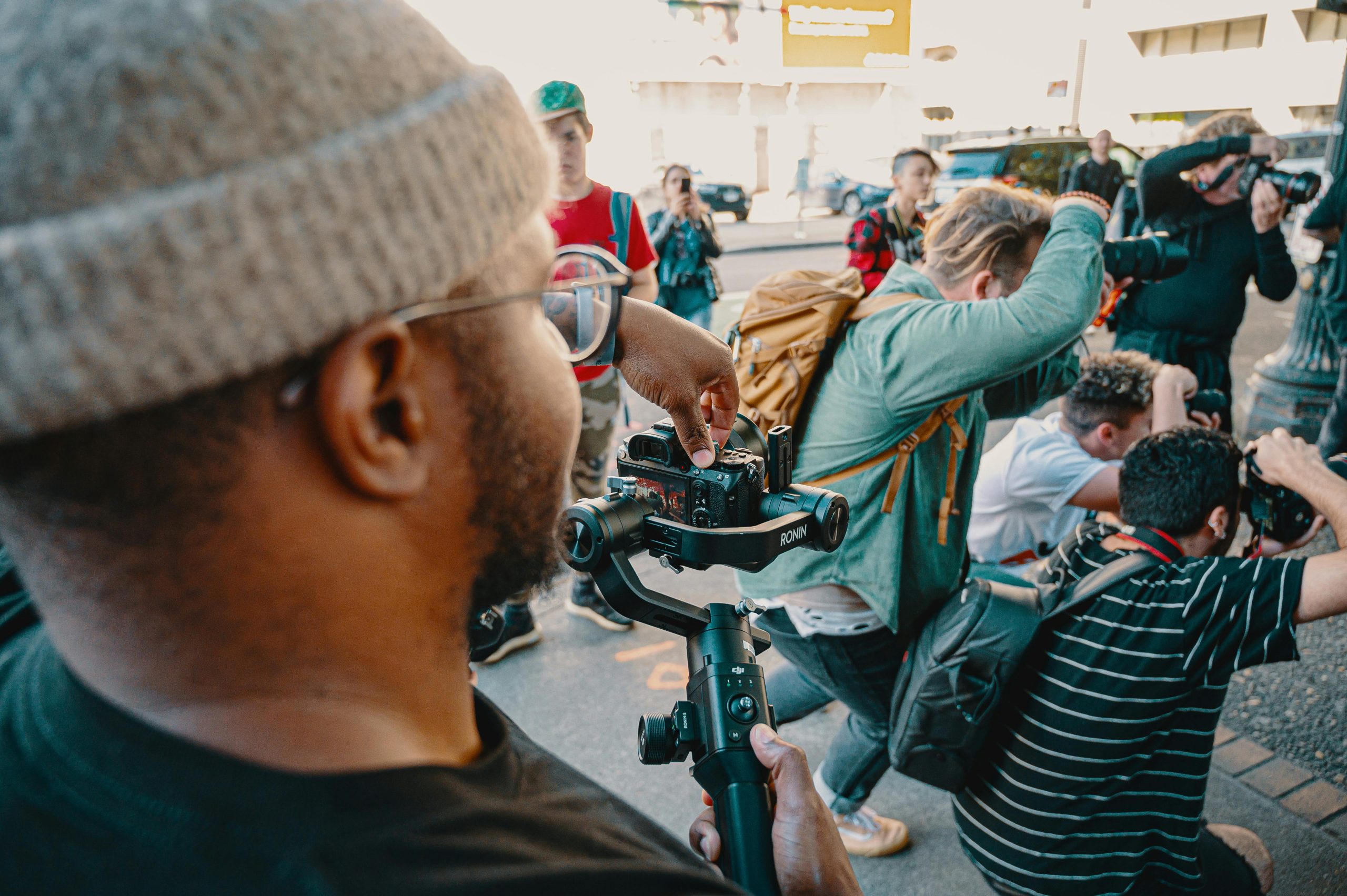
Dining out, for most of us, is a simple pleasure – a chance to enjoy good food, company, and ambiance. For celebrities, however, it has evolved into a high-stakes performance, a delicate dance between privacy and public spectacle. In 2025, the act of a famous face grabbing a bite has become a veritable spectator sport, fueled by relentless paparazzi, the instant gratification of social media, and a public insatiable for glimpses into the lives of the rich and famous. This transformation has not only redefined celebrity privacy but has also created an exclusive tier of “celebrity hotspot” restaurants, where the menu might be excellent, but the real draw is the chance to share oxygen with an A-lister.
The journey from discreet dining to public display is relatively recent. In Hollywood’s golden age, studios largely controlled celebrity images, often orchestrating carefully staged appearances. While stars certainly frequented exclusive establishments, their private lives were more fiercely guarded. The advent of the freelance paparazzi in the latter half of the 20th century, coupled with the rise of tabloid culture, began to chip away at this privacy. Suddenly, candid shots of celebrities doing mundane things – like eating – became valuable commodities.
Fast forward to the 21st century, and the digital revolution has supercharged this phenomenon. The smartphone in every pocket transformed every fan into a potential paparazzo, and social media platforms became instant distribution channels for every celebrity sighting. A blurry photo snapped on an iPhone at a restaurant in West Hollywood can now go viral within minutes, sparking speculation, trend reports, and fan frenzies. This immediate sharing has fundamentally altered the celebrity-fan dynamic, creating a constant, low-level hum of surveillance that often spills into their personal space, including their dinner tables.
So, why do certain restaurants become magnetic fields for the famous? It’s a complex recipe of factors:
1. Discretion and Design: Ironically, many celebrity hotbeds are designed with an element of privacy in mind. Think secluded booths, private dining rooms, or strategically placed plants and partitions that offer a degree of concealment from prying eyes and lenses. Restaurants like The Polo Lounge in Beverly Hills or Carbone in New York have mastered this art. They offer an exclusive, often dimly lit, ambiance that suggests intimacy, even if the general public knows exactly who’s inside. The ability for a star to enter and exit discreetly, perhaps through a back door, is also paramount.
2. Location, Location, Location: Proximity to production studios, talent agencies, high-end hotels, and exclusive residential areas is key. In Los Angeles, this means West Hollywood, Beverly Hills, and parts of Malibu. In New York, it’s often the West Village, TriBeCa, or the Upper East Side. These areas naturally concentrate the target demographic for paparazzi and celebrity-spotters.
3. The “See and Be Seen” Factor: Not all celebrities are seeking absolute anonymity. For some, particularly those with a carefully curated public persona or those looking to generate buzz for a new project, a strategic “sighting” can be beneficial. These stars might frequent places known for their vibrant social scene and high visibility. A reservation at a place like Catch LA, with its open-air dining and trendy atmosphere, or The Nice Guy, more of a bar/party room, often becomes a signal that a celebrity is out and about. It’s a symbiotic relationship: the restaurant gains buzz, and the celebrity maintains relevance.
4. Culinary Excellence and Exclusivity: While the celebrity factor is a draw, the food must, of course, be excellent. These establishments are often helmed by renowned chefs, offer unique culinary experiences, or provide consistently high-quality dining. Beyond the food, the exclusivity of getting a reservation itself becomes part of the allure. Places like Carbone are notoriously difficult to book, and snagging a table can feel like an achievement in itself, even before a celebrity walks through the door. This scarcity fuels demand, making the restaurant seem even more desirable to those hoping for a glimpse of fame.
5. Consistent Patronage and Word-of-Mouth: Celebrities, like anyone else, are creatures of habit. Once they find a place where they feel comfortable, are well-treated, and enjoy the food, they tend to return. This consistent patronage creates a self-fulfilling prophecy: more celebrity visits mean more paparazzi, which leads to more media coverage, further cementing the restaurant’s status as a hotspot. Often, celebrities will recommend places to their famous friends, perpetuating the cycle. A restaurant that treats its VIPs with discretion, respects their privacy, and provides impeccable service will quickly gain a reputation as a safe haven.
The “Spectator Sport” Dynamic for Today’s Generation:
For Millennials and Gen Z, the concept of celebrity is interwoven with digital engagement. They don’t just consume celebrity news; they participate in it. Social media allows for instant updates, fan theories, and vicarious experiences. Spotting a celebrity at a restaurant isn’t just a personal anecdote; it’s content for their feeds. This generation is often more comfortable with public sharing, and the boundaries between private and public life are increasingly blurred, making the “Paparazzi Plate” phenomenon a natural extension of their digital native reality. They might not intentionally stalk, but the pervasive culture of photo-sharing means every famous face becomes “fair game” for a discreet phone shot.
Navigating the Hotspot:
For restaurants, managing celebrity visits is a delicate art. It requires a well-trained staff, strict privacy protocols (unless a public “sighting” is mutually beneficial), and the ability to handle both overzealous fans and aggressive paparazzi. For the average diner hoping for a celebrity sighting, it’s about understanding the unspoken rules: respect their privacy, avoid flash photography, and remember that they are people trying to enjoy a meal. The thrill of a sighting is undeniable, but the true mark of a good experience, for both celebrity and civilian, remains good food and a pleasant atmosphere.
In 2025, the paparazzi plate continues to sizzle, a testament to our enduring fascination with fame and the evolving ways we consume both food and celebrity. These restaurants aren’t just dining establishments; they are stages where the private lives of public figures briefly intersect with the curious gaze of the world.
Leave a Reply