For decades, the idea of a celebrity owning a restaurant often conjured images of vanity projects, fleeting attempts at entrepreneurship, or simple endorsement deals. But in 2025, the culinary landscape tells a different story. We are witnessing the rise of celebrity-owned restaurants that are increasingly serious, diverse, and genuinely impactful on the broader culinary scene. Beyond merely lending their name to a menu, today’s stars are investing their passion, capital, and often their personal brand authenticity into creating establishments that stand on their own culinary merit, influencing trends, shaping dining experiences, and occasionally, disrupting the industry.
This evolution is driven by several factors. Celebrities, like anyone else, are often food lovers. They travel the world, experience top-tier dining, and develop sophisticated palates. For many, a restaurant venture is a natural extension of their personal interests and a way to diversify their portfolios beyond their primary profession. For younger generations, the lines between traditional celebrity and lifestyle influencer have blurred; a restaurant becomes another powerful platform for personal brand extension and storytelling.
Let’s delve into the motivations, successes, challenges, and culinary influence of these star-studded eateries:
Motivations: More Than Just a Vanity Project
- Passion for Food and Hospitality: Many celebrities genuinely love food. They might have a favorite cuisine, a family recipe, or a vision for a unique dining experience they want to bring to life. For example, some actors known for their healthy lifestyles might open organic, farm-to-table eateries, while musicians with a penchant for late-night eats might launch a cool, casual burger joint. Often, these ventures are born from a desire to create the kind of place they would want to frequent.
- Brand Extension and Storytelling: A restaurant can be a powerful extension of a celebrity’s personal brand. It allows them to tell a story beyond their acting, music, or sports career. Think of a rock star opening a themed diner that reflects their rebellious image, or a wellness guru launching a plant-based cafe aligned with their health philosophy. The restaurant becomes an immersive experience of their brand, fostering a deeper connection with fans. Eminem’s “Mom’s Spaghetti” in Detroit, for instance, leans heavily into his personal narrative, becoming a physical manifestation of a cultural reference.
- Investment and Diversification: The entertainment industry can be fickle. Restaurants offer a tangible asset and a way to diversify income streams. For financially savvy celebrities, a well-run restaurant can be a lucrative long-term investment, especially if it scales into multiple locations or a franchise model.
- Community and Legacy: Some celebrities use their platform to give back to their communities, opening restaurants that create jobs, source locally, or support specific causes. For others, it’s about building a lasting legacy beyond their fame, creating an establishment that will endure.
Impact on the Culinary Scene:
- Spotlight on Specific Cuisines/Concepts: When a celebrity backs a restaurant, it instantly garners media attention, which can shine a spotlight on a particular cuisine or culinary concept. For example, if a major pop star opens a high-end Ethiopian restaurant, it can introduce that cuisine to a wider audience, sparking curiosity and potentially leading to a broader trend. This can be particularly impactful for lesser-known or underrepresented culinary traditions.
- Driving Traffic and Buzz: The most obvious impact is the immediate surge in interest. A celebrity’s name on the marquee draws curious diners, fans, and media attention that money can’t buy. This initial buzz is crucial for a new restaurant, giving it a significant head start in a highly competitive industry. Even a brief mention on a celebrity’s social media can send reservations soaring.
- Elevating Standards (and Pressure): With celebrity backing comes increased scrutiny. These restaurants are often held to a higher standard, not just by critics but by the public. This can push the establishment to strive for excellence in food, service, and ambiance, inadvertently raising the bar for other restaurants in the area. The pressure to succeed is immense, as a high-profile failure can be damaging not just to the restaurant but to the celebrity’s brand.
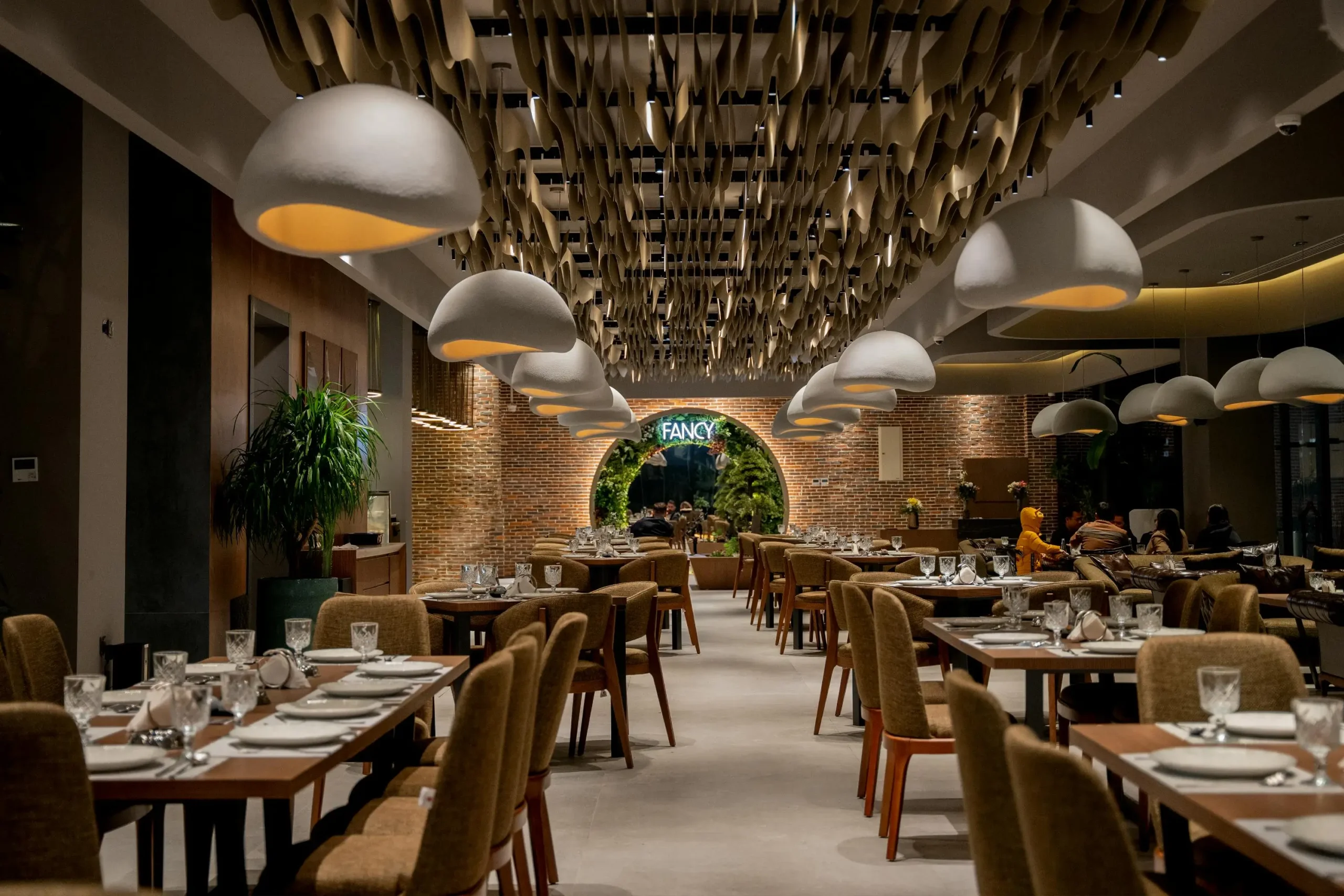
- Influencing Design and Atmosphere: Many celebrity-owned restaurants are designed to be visually stunning and highly “Instagrammable.” They often feature unique aesthetics, elaborate themes, or luxurious finishes that create a distinct atmosphere. This can influence interior design trends within the broader restaurant industry, pushing others to create more immersive and photographable dining spaces.
- Democratizing Fine Dining (Sometimes): While some celebrity restaurants are high-end, others aim for more accessible price points or casual concepts, demonstrating that good food doesn’t always have to be exclusive. This can help demystify the culinary world and make quality dining more approachable for a broader audience.
Challenges and Successes:
The restaurant industry is notoriously tough, and celebrity status is no guarantee of success. Many celebrity ventures have famously flopped (e.g., Britney Spears’ Nyla, Jennifer Lopez’s Madre’s). Common pitfalls include: * Lack of Direct Involvement: If the celebrity is merely a name on the door with no genuine passion or understanding of the operational complexities, the restaurant often suffers from a lack of direction and quality control. * High Expectations, Low Delivery: Hype can lead to disappointment if the food, service, or concept doesn’t live up to the celebrity’s reputation. * Poor Management: Running a successful restaurant requires dedicated, experienced management. Celebrities often rely on professional teams, but a mismatch or lack of oversight can be fatal. * Changing Trends: The dining world is dynamic. Restaurants must adapt to evolving tastes and preferences.
However, many celebrity-backed restaurants have thrived. Success often comes from: * Authentic Passion and Hands-On Involvement: Celebrities who are genuinely invested and actively involved in the concept, menu development, or even day-to-day operations (or have a deeply trusted team that executes their vision) tend to fare better. * Strong Culinary Talent: Pairing the celebrity’s vision with a highly skilled chef and kitchen team is crucial. The food must speak for itself. * Clear Concept and Niche: Restaurants with a well-defined concept, whether it’s a specific cuisine, a unique theme, or a clear dietary focus, often resonate more with diners. * Strategic Location and Design: Choosing the right spot and creating an inviting, memorable atmosphere. * Effective PR and Marketing (Leveraging, Not Just Relying on, Fame): Using the celebrity’s platform to generate initial buzz, but then letting the quality of the restaurant speak for itself.
In 2025, the era of the frivolous celebrity restaurant is largely over. The modern celebrity restaurateur is often a serious entrepreneur, leveraging their brand not just for fleeting attention, but to create lasting culinary institutions that contribute genuinely to the diverse and ever-evolving world of food. Their ventures are shaping consumer expectations, driving culinary trends, and proving that sometimes, fame can indeed be a recipe for delicious success.
Leave a Reply