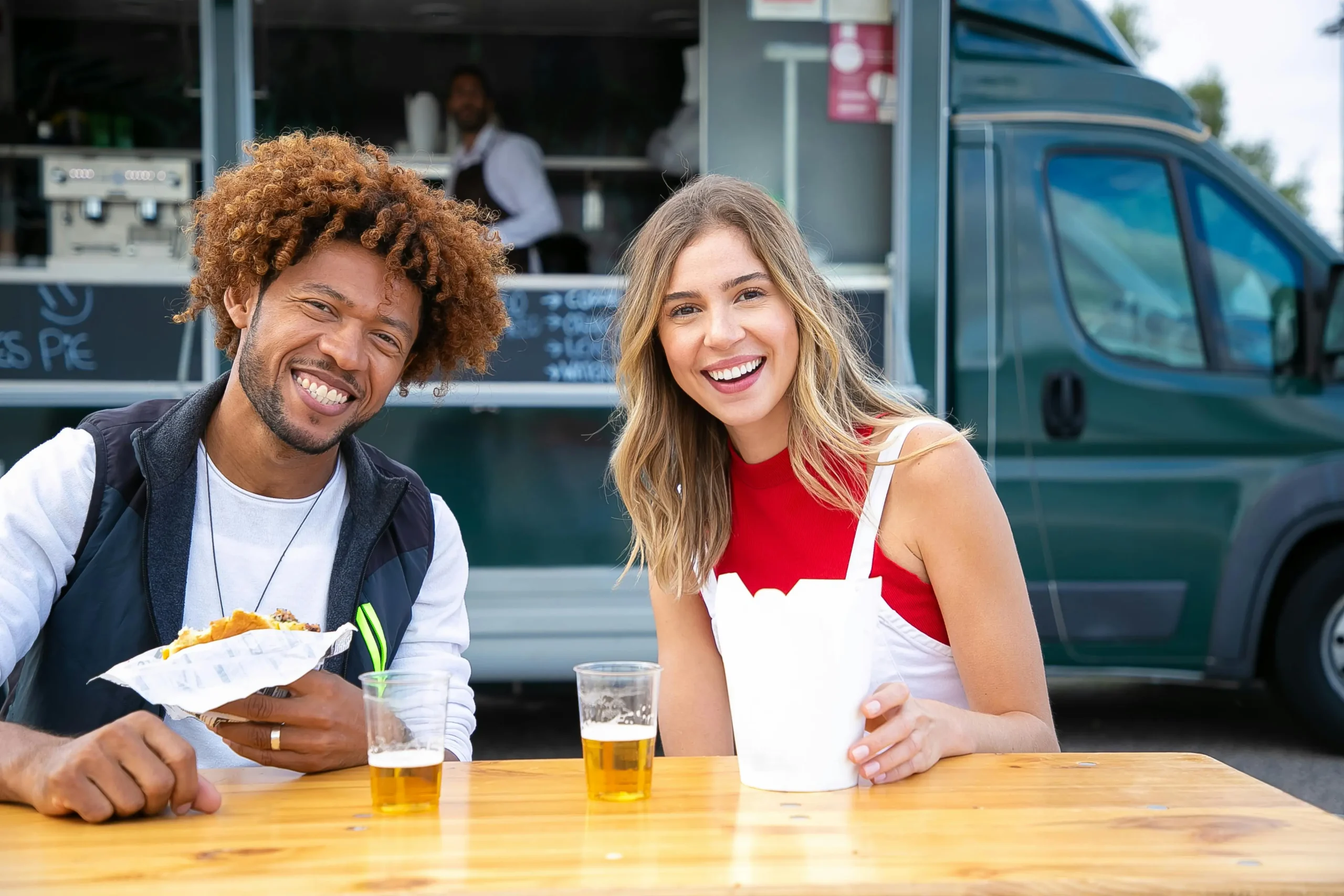
In the dynamic world of food entrepreneurship, the humble food truck has become the ultimate culinary incubator. It’s a restaurant on wheels, a rolling laboratory where chefs can test radical concepts, hone their craft, and build a loyal following, one street corner at a time. For many, the truck is just the beginning—a stepping stone to the ultimate dream: a permanent, brick-and-mortar restaurant.
The journey from pop-up to permanent is a modern-day success story, a testament to grit, creativity, and the power of a great idea. In 2025, some of the most exciting new restaurants in the country didn’t start with a team of investors and a high-design dining room; they started with a generator, a small propane stove, and a line of curious customers. These are the stories of the hottest food trucks that have made the leap, turning their mobile magic into lasting landmarks.
The Launchpad: Why the Food Truck Model Works
Before diving into the success stories, it’s important to understand why food trucks are such an effective launchpad for culinary careers.
- Lower Risk, Lower Cost: The startup cost for a food truck is a fraction of that for a traditional restaurant, allowing chefs to enter the market with significantly less financial risk.
- Market Research on Wheels: A food truck is a mobile focus group. Owners can experiment with menu items, test different neighborhoods and price points, and discover exactly who their target audience is before committing to a long-term lease.
- Brand Building in Real Time: Serving food directly to customers on the street creates a powerful, personal connection. Chefs can build a brand and a loyal social media following, creating a built-in customer base that is ready and waiting for them to open a permanent location.
These advantages create a pathway to success, and the following restaurants are a testament to its power.
Case Study 1: The Gilded Pierogi (Cleveland, Ohio)
The Truck: The Gilded Pierogi began as a love letter to the culinary heritage of Northeast Ohio. Third-generation Polish-American chef Anya Kowalski was tired of seeing the humble pierogi relegated to church basements and frozen food aisles. She launched her truck in 2022 with a simple mission: to treat the pierogi with the respect of a gourmet dish. Her truck, painted with a vibrant, modern floral design inspired by Polish folk art, became a fixture at Cleveland’s farmers’ markets and breweries, drawing massive crowds for its inventive fillings like Duck Confit with Fig Jam and Spicy Chorizo with Potato and Smoked Gouda.
The Leap: After building a fanatical following, Kowalski opened her brick-and-mortar restaurant in the Tremont neighborhood in early 2025. The space is cozy and inviting, with exposed brick, warm lighting, and subtle nods to her heritage.
The Restaurant: The Gilded Pierogi restaurant is everything fans of the truck hoped for and more. The menu features an expanded list of both savory and sweet pierogies, alongside other elevated Polish classics like a 72-Hour Braised Bigos (hunter’s stew) and a sublime Haluski with house-made noodles and caramelized cabbage. The bar focuses on Eastern European craft beers and creative, vodka-based cocktails. By honoring tradition while embracing innovation, Kowalski has created a beloved neighborhood institution.
Case Study 2: Bao Down (Los Angeles, California)
The Truck: In a city saturated with food trucks, Bao Down managed to cut through the noise with its singular focus on perfection. Started by Chef Marcus Chen, a veteran of several fine-dining kitchens, the sleek, black truck served one thing: Taiwanese-style gua bao, but with a fine-dining twist. The steamed buns were ethereally light and fluffy, made fresh every morning. The fillings were creative and meticulously prepared, from the signature Crispy Pork Belly with a Yuzu Glaze and Pickled Mustard Greens to a luxurious Shiitake Mushroom Bao with Black Truffle Aioli.
The Leap: Chen’s truck became a destination for foodies, often selling out within two hours. He leveraged his success and fine-dining pedigree to secure a spot in a trendy East LA neighborhood, opening the doors to his restaurant in late 2024.
The Restaurant: Bao Down, the restaurant, is a reflection of its origins: minimalist, cool, and intensely focused on quality. The bustling, 40-seat space features an open kitchen and a long concrete bar. The menu has expanded beyond bao to include other Taiwanese-inspired small plates like Dan Dan Noodles, Spicy Wontons in Chili Oil, and a wildly popular Fried Chicken with a Five-Spice Salt. It has become a critical darling, praised for bringing a chef-driven, high-quality experience to a casual, high-energy format.
Case Study 3: Roti Rollers (Austin, Texas)
The Truck: Roti Rollers was born from a simple need. Two former tech workers, Sameer and Priya Desai, were frustrated by the lack of quick, healthy, and flavorful lunch options near their office park. They decided to create their own solution, launching a vibrant, colorful truck specializing in Indian kati rolls—spiced fillings wrapped in warm, flaky paratha bread. Their menu was simple: choose a protein (like Chicken Tikka, Spiced Lamb Keema, or Paneer with Bell Peppers) and a house-made sauce. The concept was a smash hit, prized for its efficiency, fresh ingredients, and bold flavors.
The Leap: The Desais leveraged their tech background to create a highly efficient, digitally integrated operation. After proving their concept with the truck, they secured venture capital funding to launch two fast-casual brick-and-mortar locations in strategic, high-traffic areas of Austin.
The Restaurant: The Roti Rollers storefronts are bright, modern, and built for speed. Customers order from sleek touch-screen kiosks, and the streamlined kitchen can assemble a fresh, hot kati roll in minutes. They’ve expanded their offerings to include salad bowls, rice bowls, and sides like Masala Fries and mango lassi. Roti Rollers is a prime example of how a food truck can serve as a real-world beta test for a scalable, fast-casual business model.
The Challenges of Making the Leap
While these stories are inspiring, the transition from truck to restaurant is fraught with challenges.
- Skyrocketing Overhead: The costs of rent, utilities, insurance, and a larger payroll are exponentially higher than those of a food truck.
- Expanded Operations: Managing a dining room, a larger staff, and a more complex menu requires a completely different skill set than operating a two-person truck.
- Losing the “Scarcity” Buzz: The built-in marketing of a mobile truck that’s only in one place for a limited time is lost. A permanent restaurant has to work harder to draw customers in on a slow Tuesday night.
The entrepreneurs who succeed are those who, like the ones above, have a clear brand, a fanatically loyal following, and a deep understanding of their business. They used their time on wheels not just to sell food, but to build a foundation, an identity, and a community. Their journey is a powerful reminder that in the modern culinary world, some of the biggest ideas start in the smallest of spaces.
Leave a Reply