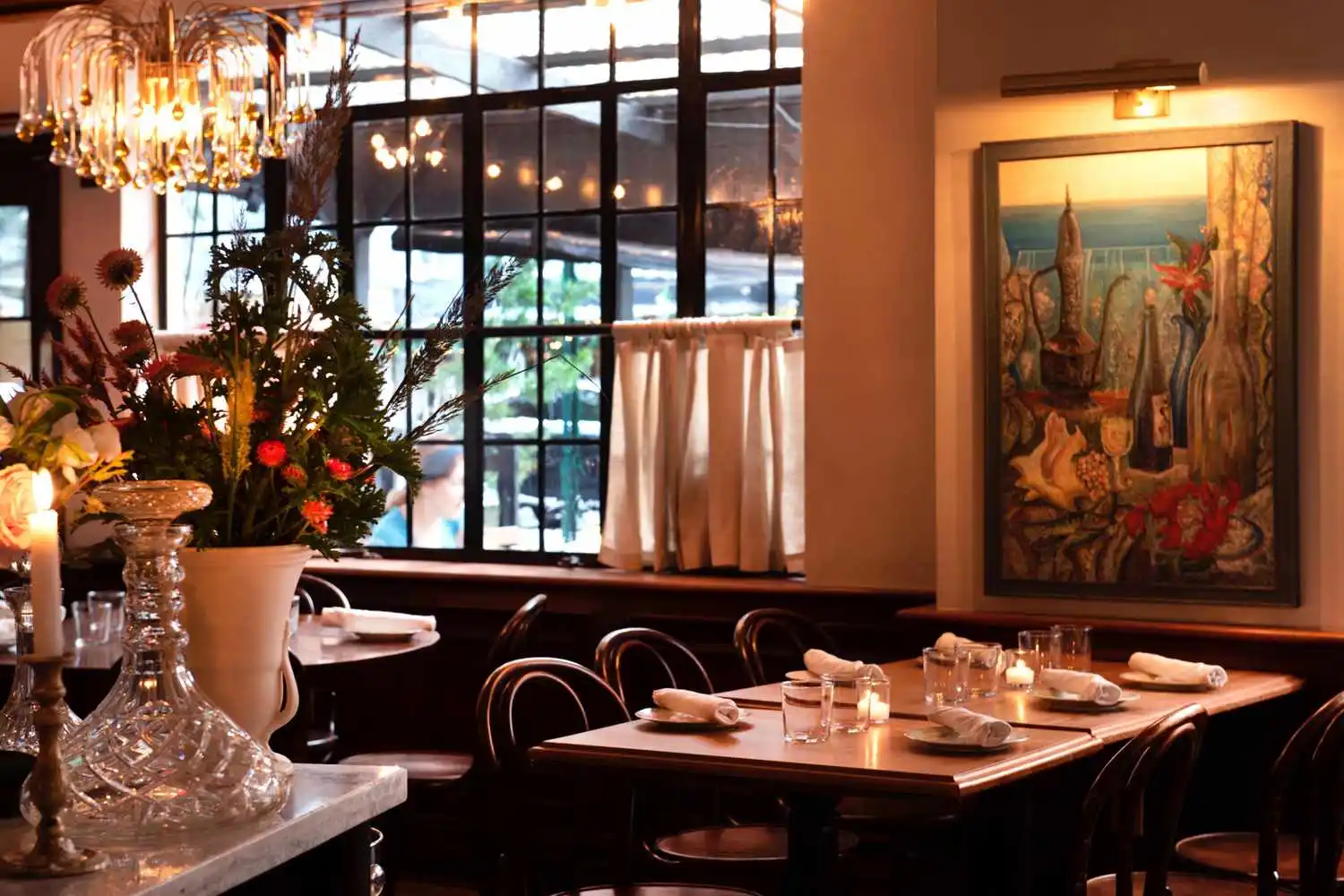
Introduction
New York City has always been a destination where culinary traditions meet constant reinvention. From historic neighborhood restaurants that have served generations of diners to innovative concepts that redefine modern cuisine, the city’s dining scene continues to evolve while preserving the stories and cultures behind every dish. In Greenwich Village, a neighborhood long associated with creativity, art, and individuality, a new restaurant is attracting attention by taking a different approach—one that values authenticity, craftsmanship, and meaningful dining experiences over fleeting social media trends.
Somssi, the new Greenwich Village restaurant from chef Ahris Kim, represents a thoughtful balance between tradition and modern taste. Drawing from her experiences at some of New York’s most acclaimed restaurants, including Atomix and Atoboy, Kim brings a perspective shaped by Korean culinary heritage, fine dining techniques, and a desire to create a more personal restaurant experience.
In an era when many restaurants compete for online attention through visually dramatic presentations and viral moments, Somssi takes a quieter approach. The restaurant focuses on hospitality, thoughtful flavors, and the emotional connection between food and memory. Its philosophy reflects a growing movement in the restaurant industry: a return to dining experiences that prioritize storytelling, quality, and genuine connection.
The Vision Behind Somssi
Every successful restaurant begins with a clear vision, and Somssi reflects Ahris Kim’s desire to create a space that feels both familiar and new. Rather than simply presenting Korean-inspired cuisine through a modern lens, the restaurant explores how traditional flavors can exist within a contemporary New York dining environment.
Kim’s background in acclaimed Korean restaurants influenced her understanding of balance, precision, and hospitality. Her experience working within highly regarded kitchens allowed her to develop a deep appreciation for technique while also recognizing the importance of emotional storytelling through food.
Somssi represents a personal expression of that journey. The restaurant is not designed around chasing the latest culinary trend but around creating a lasting identity. Each element—from the menu to the atmosphere—is intended to reflect a thoughtful relationship between heritage and innovation.
This approach has become increasingly important in modern dining. Today’s diners are not only searching for memorable flavors but also for experiences that feel meaningful. Restaurants that succeed often have a strong narrative behind them, allowing guests to understand the inspiration, culture, and creativity behind every dish.
A New Chapter After Atomix and Atoboy
Before creating Somssi, Ahris Kim was part of the teams behind some of New York’s most celebrated Korean restaurants. Atomix and Atoboy helped introduce Korean cuisine to a wider international audience by combining traditional Korean ingredients and techniques with contemporary fine dining approaches.
These restaurants demonstrated that Korean cuisine could be presented with the same level of creativity and sophistication as any globally recognized culinary tradition. The success of these concepts contributed to a broader appreciation for Korean food in New York and beyond.
With Somssi, Kim moves into a new creative chapter. Instead of working within an established concept, she has the opportunity to develop a restaurant that reflects her own vision and personality. This transition represents a significant moment for any chef—the ability to move from contributing to a celebrated restaurant identity to creating one from the ground up.
The experience gained from previous kitchens provides a strong foundation, but Somssi allows Kim to explore new ideas and create a dining environment that feels more intimate and personal.
Greenwich Village: The Perfect Home for Somssi
Location plays an important role in a restaurant’s identity, and Greenwich Village offers a fitting backdrop for Somssi. Known for its artistic history, independent businesses, and diverse cultural influences, the neighborhood has long attracted creators who value originality and authenticity.
Unlike areas known primarily for luxury dining or nightlife trends, Greenwich Village maintains a sense of individuality. Its streets are filled with restaurants, cafés, bookstores, galleries, and local establishments that contribute to its unique character.
For a restaurant like Somssi, the neighborhood provides an environment where creativity and tradition can exist together. The area’s history of embracing artists, musicians, writers, and innovators aligns with a restaurant philosophy centered on personal expression.
The choice of Greenwich Village also reflects a broader shift in dining culture. Many diners are increasingly interested in neighborhood restaurants that offer distinctive experiences rather than simply visiting locations because they appear frequently on social media.
Somssi’s presence in the Village reinforces the idea that great restaurants do not need to rely entirely on online popularity. A strong concept, thoughtful food, and genuine hospitality can create lasting recognition.
Moving Beyond the Social Media Dining Era
The modern restaurant industry exists in a complicated relationship with social media. Platforms such as TikTok and Instagram have transformed how people discover restaurants, allowing small businesses to gain worldwide attention almost instantly. However, the pressure to become viral has also influenced how some restaurants design their spaces, menus, and experiences.
Somssi represents a different philosophy. Rather than creating a restaurant specifically designed for online attention, the focus remains on the experience of being present in the dining room.
This approach reflects a growing desire among diners for authenticity. While beautiful presentations and shareable moments can attract visitors, long-term success often depends on consistency, service, and the ability to create emotional connections.
Restaurants that focus only on trends may experience short bursts of popularity, but establishments with strong identities often build loyal communities. Somssi’s approach suggests that the future of dining may not be about competing for the most attention but about creating experiences guests genuinely remember.
The Role of Tradition in Modern Cuisine
One of Somssi’s most interesting qualities is the way it approaches tradition. Modern chefs often face the challenge of respecting culinary heritage while creating something relevant for contemporary audiences.
Traditional cuisine carries generations of knowledge, techniques, and cultural meaning. Preserving those elements allows chefs to honor the people and communities who developed them. At the same time, innovation allows those traditions to continue evolving.
Kim’s approach reflects this balance. Instead of treating tradition as something fixed in the past, Somssi explores how traditional flavors can adapt to modern dining expectations.
This philosophy is visible throughout the global restaurant industry. Many successful chefs are finding new ways to introduce cultural cuisines to broader audiences while maintaining respect for their origins.
The result is a style of dining that feels both familiar and surprising—where guests can experience recognizable flavors presented through a contemporary perspective.
Creating a More Personal Dining Experience
Beyond the food itself, restaurants succeed because of the emotions they create. A memorable dining experience includes atmosphere, service, storytelling, and the feeling guests take with them after leaving.
Somssi’s philosophy reflects the belief that restaurants should be more than places where people simply consume meals. They should become spaces where people connect, celebrate, discover new flavors, and create memories.
This emphasis on connection has become increasingly valuable as diners seek experiences that feel authentic in an increasingly digital world. While technology continues changing how people interact with restaurants, the fundamental appeal of gathering around a table remains unchanged.
The strongest restaurants understand that hospitality is not only about delivering excellent food. It is about creating an environment where guests feel welcomed and connected to the story behind the restaurant.
Somssi’s Culinary Philosophy and the Future of Korean-Inspired Dining
The rise of restaurants like Somssi reflects a larger transformation happening within the global culinary landscape. Korean cuisine has gained remarkable international recognition over the past decade, moving from a specialty category to one of the most influential culinary movements in the world. However, the continued evolution of Korean dining depends on chefs who understand how to honor tradition while creating experiences that speak to modern audiences.
Ahris Kim represents a generation of chefs who approach Korean cuisine with both respect and curiosity. Instead of simply recreating traditional dishes, contemporary Korean chefs are exploring how flavors, techniques, and ingredients can be introduced through new perspectives. This approach allows Korean food to remain connected to its cultural roots while expanding into new culinary territories.
Somssi fits within this movement by demonstrating that heritage and innovation do not have to compete with one another. A dish can carry historical meaning while still feeling fresh and relevant. This balance is one of the reasons Korean cuisine has resonated with diners around the world.
For many guests, experiencing Korean-inspired dining is not only about tasting unfamiliar flavors. It is also about discovering the stories, traditions, and values behind those flavors. Restaurants that successfully communicate those stories create deeper connections with their audiences.
The Importance of Craftsmanship in Modern Restaurants
In a restaurant industry increasingly influenced by speed and convenience, craftsmanship remains one of the most important qualities separating memorable dining experiences from ordinary ones. Somssi’s approach highlights the value of careful preparation, thoughtful ingredients, and attention to detail.
Behind every successful dish is a combination of decisions involving sourcing, technique, presentation, and timing. Great restaurants understand that quality comes from consistency and dedication rather than simply creating a visually impressive moment.
This commitment to craftsmanship is especially important in fine dining and chef-driven restaurants. While trends may influence what attracts customers initially, long-term reputation is built through the repeated delivery of excellent experiences.
A restaurant’s identity is shaped not only by what appears on the plate but also by the care behind every decision. From the kitchen team preparing each component to the front-of-house staff welcoming guests, every detail contributes to the overall story.
Somssi’s philosophy reflects the idea that modern dining should not sacrifice depth for popularity. Instead, it demonstrates how patience, creativity, and expertise can create something meaningful.
Why Neighborhood Restaurants Still Matter
The opening of Somssi in Greenwich Village also highlights the continuing importance of neighborhood restaurants in New York City. While major culinary destinations and celebrity-backed restaurants often receive significant attention, local dining spaces remain essential parts of a community’s identity.
Neighborhood restaurants provide more than food. They become gathering places where residents, visitors, and creators share experiences. They contribute to the personality of their surroundings and help preserve the unique character of different areas throughout the city.
Greenwich Village has historically attracted people who value creativity and independence. The neighborhood’s restaurants have often reflected those same qualities, offering spaces where chefs can experiment and where diners can discover new ideas.
Somssi’s presence in the Village represents this tradition of culinary individuality. Rather than attempting to become another trend-driven destination, the restaurant contributes to the neighborhood’s long history of supporting creative expression.
As cities continue changing, independent restaurants play an important role in maintaining cultural diversity. They provide alternatives to standardized dining experiences and allow chefs to develop concepts that feel personal and authentic.
The Changing Expectations of Modern Diners
Today’s restaurant guests are looking for more than just excellent food. They are increasingly interested in the complete experience surrounding a meal, including atmosphere, hospitality, cultural connection, and the story behind the restaurant.
This shift has changed how chefs approach restaurant development. A successful concept now requires a clear identity that communicates what makes it unique.
Somssi reflects this modern expectation by creating an experience built around intention. Every element of the restaurant contributes to its overall personality, from its culinary direction to its relationship with the neighborhood.
Modern diners also value authenticity. While social media has made restaurant discovery easier, it has also created a desire for experiences that feel genuine rather than manufactured. Many guests are searching for restaurants where the focus remains on quality and connection instead of simply creating online content.
This changing mindset suggests that restaurants with strong foundations will continue to succeed. Concepts built around meaningful ideas, talented teams, and memorable hospitality are more likely to develop lasting relationships with diners.
The Lasting Influence of Chefs Who Tell Stories
Great chefs have always been storytellers. Through ingredients, techniques, and presentation, they communicate ideas about culture, history, and personal experiences.
Ahris Kim’s work with Somssi represents this storytelling approach. The restaurant reflects a personal journey shaped by previous experiences, cultural influences, and a desire to create something uniquely meaningful.
The most influential restaurants often succeed because guests understand there is a purpose behind the food. They are not simply serving dishes; they are sharing perspectives.
This approach has become increasingly important in the modern culinary world, where diners have access to thousands of options. A restaurant’s story can become one of its greatest strengths.
Somssi’s story is not only about opening a new restaurant in Greenwich Village. It is about how a chef transforms years of learning, cultural heritage, and creative exploration into a new expression of dining.
What Somssi Represents for the Future of Dining
Somssi represents a broader movement toward thoughtful, experience-driven restaurants. As the industry continues evolving, restaurants that combine cultural awareness, creative vision, and genuine hospitality are likely to remain influential.
The future of dining will continue to involve innovation, technology, and changing consumer habits. However, the fundamental elements that make restaurants meaningful will remain the same: excellent food, human connection, and stories worth sharing.
Restaurants like Somssi demonstrate that modern dining does not require abandoning tradition. Instead, the most exciting culinary experiences often come from finding new ways to celebrate the past while imagining the future.
For chefs and restaurant owners, this approach offers an important lesson. Success does not come only from following trends. It comes from understanding identity, developing a clear vision, and creating experiences that resonate with people.
Conclusion
Where Tradition Meets Modern Taste: The Story Behind Greenwich Village’s Somssi is ultimately a story about the evolution of modern dining. Through Ahris Kim’s vision, the restaurant represents a meeting point between Korean culinary heritage, New York creativity, and contemporary hospitality.
In a restaurant landscape increasingly shaped by social media and fast-changing trends, Somssi offers a reminder that meaningful experiences are built through authenticity and intention. Its approach reflects a growing appreciation for restaurants that prioritize storytelling, craftsmanship, and genuine connection.
The success of modern restaurants will depend not only on innovation but also on their ability to respect tradition. By creating a space where heritage and creativity exist together, Somssi represents the future of dining—one where the past inspires new possibilities.
As Greenwich Village continues its long history as a center of creativity and culture, Somssi adds a new chapter to the neighborhood’s culinary story. Its journey demonstrates that the most memorable restaurants are not simply places to eat. They are places where ideas, cultures, and people come together.
References
Michelin Guide. New York Restaurant Guide and Culinary Insights.
The New Yorker. A Greenwich Village Dining Room That Feels Far from the TikToking Crowd.
The Business of Fashion. Ahris Kim and the Changing Landscape of Modern Korean Dining.
Forbes. Somssi Brings a Korean-Inspired Bistro Experience to Greenwich Village.
Eater New York. New York City Restaurant Openings and Dining News.
Leave a Reply