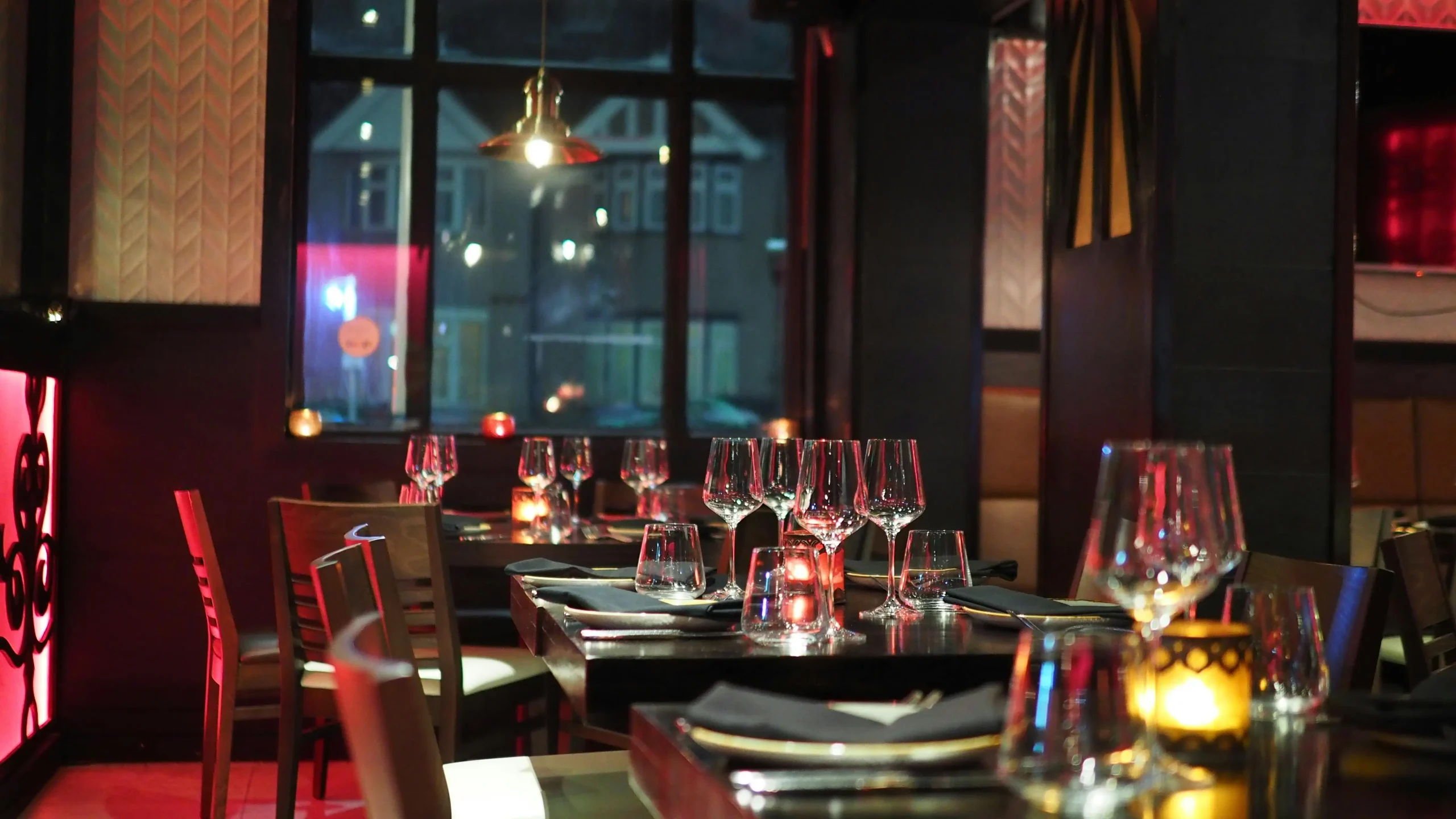
For decades, the definition of “fine dining” has been remarkably stable. It conjured images of hushed, carpeted rooms, starched white tablecloths, and an army of black-tied servers moving in silent, synchronized harmony. It was a world of rigid formality, opulent ingredients, and unwavering reverence for French culinary tradition. But that world, for the most part, is gone.
The entire concept of fine dining is undergoing its most profound transformation in a generation. Spurred by a seismic shift in consumer values, technological advancements, and a complete redefinition of what “luxury” means, the high-end restaurant is being reimagined from the ground up. The focus is shifting from stiff formality to genuine connection, and from pure opulence to deeply held purpose.
So, what will a seat at the world’s most coveted tables look like in the next five years? Expect a dining experience that is more personal, more sustainable, and more memorable than ever before.
Trend 1: The Great “Un-Starching”
The future of fine dining is comfortable. The rigid rules and intimidating atmospheres that once defined the experience are being systematically dismantled. The new luxury is not about being forced to whisper; it’s about feeling relaxed enough to laugh out loud.
In the next five years, expect to see:
- The Disappearance of Dress Codes: Ties and jackets will become a true rarity. High-end restaurants will welcome guests as they are, focusing on the quality of the experience rather than the formality of the attire.
- Conversational Service: The server of the future is a storyteller and a guide, not a silent automaton. Service will be hyper-knowledgeable and attentive but also warm, personal, and conversational. The goal is to make guests feel like they are being welcomed into a home, not being judged in a temple.
- Atmosphere with Personality: Stuffy silence will be replaced by carefully curated soundscapes, from custom indie rock playlists to ambient electronic music that evolves with the meal. The dining room itself will feel more like a bespoke, artful space that reflects the chef’s personality.
Trend 2: Beyond Farm-to-Table to the Hyper-Personal Ecosystem
“Farm-to-table” is no longer a trend; it’s the expected baseline for any restaurant of quality. The next frontier is the creation of self-sufficient culinary ecosystems that are unique to each restaurant, making the dining experience truly singular and impossible to replicate.
Look for:
- The Rise of the Restaurant Farm: More top-tier restaurants will move beyond a small kitchen garden and operate their own dedicated farms. This gives chefs ultimate control over the quality and variety of their ingredients, allowing them to grow rare heirloom vegetables and herbs specifically for their menu.
- The Full-Time Forager: Kitchen teams will increasingly include a dedicated forager, someone whose entire job is to harvest wild ingredients—from mushrooms and coastal plants to unique local weeds—from the restaurant’s immediate surroundings.
- Menus That Change Daily: The concept of a static, seasonal menu will feel outdated. Menus will become fluid documents that change weekly, or even daily, based on what the farm produced that morning or what the forager discovered. This creates a dining experience that is utterly in-the-moment.
Trend 3: Dining as Immersive, Multi-Sensory Theater
The future of fine dining is about crafting a narrative. It’s not just about serving a sequence of delicious dishes; it’s about taking the guest on a journey and creating a multi-sensory, memorable event.
Expect more:
- Narrative-Driven Menus: A tasting menu might be designed to tell a story, with each course representing a chapter—perhaps a “biography” of the chef’s life, a history of the region, or a journey through a single ingredient.
- Integrated Environments: Restaurants will use technology and design to create truly immersive experiences. Think lighting that changes color and intensity to match the mood of a dish, soundscapes that evoke the sea when a seafood course is served, or even the subtle release of a pine scent during a forest-inspired dish.
- The Kitchen as the Stage: The “chef’s counter” experience will become even more central, with open kitchens designed to be a form of theater. Diners will watch the artistry and precision of the kitchen team up close, breaking down the barrier between creator and consumer.
Trend 4: “Conscious Luxury” – Sustainability as a Core Identity
In the past, luxury was often synonymous with excess. In the future, the greatest luxury will be responsibility. A restaurant’s commitment to sustainability will become as important a marker of its quality as the thread count of its napkins once was.
This goes far beyond recycling:
- Zero-Waste as Standard: The “root-to-leaf” and “nose-to-tail” philosophies will be standard operating procedure. Kitchens will be judged on their creativity in using every part of every ingredient, turning vegetable peels into powders, fish bones into rich broths, and excess bread into miso.
- Social Sustainability: A truly sustainable restaurant must sustain its people. The industry is moving toward a model of salaried careers with benefits, mental health support, and a focus on work-life balance. Diners will increasingly support establishments known for their ethical labor practices.
Trend 5: Tech-Enhanced, Not Tech-Dominated, Hospitality
Technology will not replace the human touch of great service; it will make it more powerful and personal. Expect seamless, almost invisible tech integrations that enhance the dining experience.
- Hyper-Personalization: Advanced Customer Relationship Management (CRM) systems will allow restaurants to track your preferences, allergies, favorite table, and special occasions from the moment you book. When you arrive, the staff will already know that you prefer sparkling water and are celebrating an anniversary, allowing them to tailor the experience just for you.
- Augmented Reality: That QR code on the table might one day do more than pull up a menu. It could launch an augmented reality experience, allowing you to see a 3D model of a dish, learn about the farm where the vegetables were grown, or get detailed tasting notes on your wine pairing.
The future of fine dining is stripping away the unnecessary artifice to focus on what truly matters: connection. It will be a world where luxury is defined not by rigid rules, but by the freedom of a unique, personal, and purposeful experience. It will be delicious, of course, but it will also be more thoughtful, more sustainable, and more memorable than ever before.
Leave a Reply