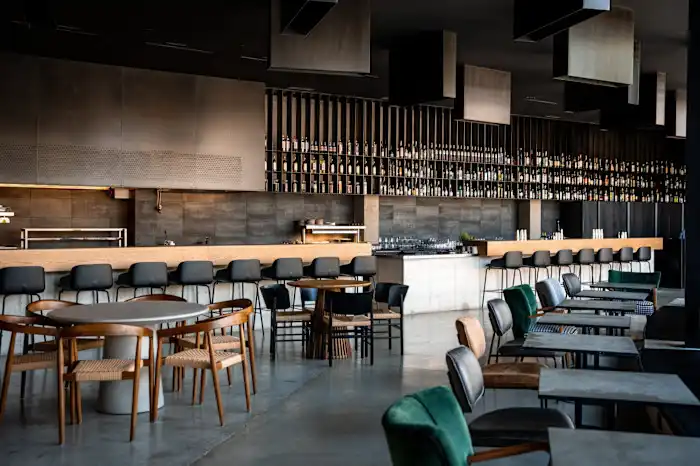
Milan is widely recognized as the global capital of design, fashion, and contemporary aesthetics. Every year, during Milan Design Week, the city transforms into a living exhibition space where architecture, furniture, fashion, and culinary arts merge into a single cultural experience.
While most visitors focus on showrooms, galleries, and installations, Milan’s restaurant scene quietly becomes one of the most powerful expressions of design innovation. Dining is no longer just about food—it becomes an immersive experience where interiors, lighting, materials, and spatial storytelling play an equally important role.
Restaurants in Milan are often designed by world-renowned architects and interior designers who treat each dining space as an extension of artistic expression. During Design Week, these spaces become even more significant, attracting designers, creatives, and global travelers who seek inspiration in every detail.
Here are six of the most aesthetically compelling restaurants in Milan that perfectly embody the intersection of food and design.
1. Il Salumaio di Montenapoleone – A Timeless Courtyard of Milanese Elegance
Hidden inside one of Milan’s most exclusive fashion districts, Il Salumaio di Montenapoleone offers a dining experience rooted in history and tradition. Located in a Renaissance-style courtyard, the restaurant feels like stepping into another era of Milanese aristocratic life.
Unlike modern minimalist spaces, Il Salumaio embraces ornate architectural beauty. The design reflects old-world Italy, where craftsmanship and heritage are central to identity.
Design experience
The restaurant is surrounded by arched walkways, stone columns, and ivy-covered walls that create a romantic and cinematic atmosphere. Natural light filters through the courtyard during the day, while warm lighting transforms the space into an intimate, almost theatrical setting at night.
Everything about the environment emphasizes refinement—linen table settings, traditional Italian decor, and a sense of quiet luxury that does not rely on modern exaggeration.
This is a place where design is not loud—it is inherited, preserved, and respectfully maintained.
2. Caruso Nuovo – Contemporary Luxury Inside Palazzo Cordusio
Located inside the prestigious Palazzo Cordusio, Caruso Nuovo represents the new face of Milanese luxury dining. It blends contemporary design language with architectural grandeur, creating a refined yet modern experience.
The space reflects Milan’s evolution from historical elegance to global luxury innovation.
Design experience
Inside Caruso Nuovo, marble dominates the interiors, paired with polished metal accents and symmetrical architectural lines. The lighting is carefully curated to highlight textures without overwhelming the space.
High ceilings and grand structural proportions create a sense of openness, while modern furniture introduces clean geometry and minimal visual noise.
The design philosophy is rooted in balance—luxury without excess, elegance without clutter. It feels like a space designed for both visual impact and quiet sophistication.
3. Langosteria – Industrial Minimalism with a Luxurious Edge
Langosteria is one of Milan’s most iconic seafood restaurants, known not only for its cuisine but also for its strong design identity. It reflects the city’s modern industrial aesthetic while maintaining a warm and inviting atmosphere.
Design experience
The interior uses a combination of dark wood, brushed metal, and soft lighting to create depth and texture. The layout is open yet intimate, allowing guests to feel part of a dynamic but controlled environment.
The open kitchen concept adds a performative layer to the design, where cooking becomes part of the visual experience.
Despite its industrial influences, Langosteria avoids coldness. Instead, it achieves a balance between raw materials and refined details, making it a perfect example of Milan’s modern design philosophy.
4. Sadler – Where Fine Dining Meets Artistic Expression
Chef Claudio Sadler’s restaurant is known for its Michelin-level cuisine, but its interior design is equally impressive. Sadler approaches space as an extension of culinary artistry.
Design experience
The interior is calm, elegant, and deliberately understated. Soft neutral tones dominate the space, allowing the focus to remain on both the food and subtle design elements.
Rather than overwhelming decoration, Sadler uses sculptural accents and carefully placed art pieces to create a gallery-like environment.
Each dining room feels curated rather than decorated. The design encourages quiet observation, aligning with the precision and artistry of the cuisine itself.
This is a space where gastronomy and visual design are equally refined disciplines.
5. Ristorante Cracco – Dining Inside Milan’s Architectural Landmark
Situated inside the iconic Galleria Vittorio Emanuele II, Ristorante Cracco is one of Milan’s most recognizable dining destinations. Designed by chef Carlo Cracco, it represents a seamless fusion of historic architecture and modern design intervention.
Design experience
The restaurant benefits from its location within one of Milan’s most famous architectural structures. The Galleria’s iron-and-glass dome creates a monumental backdrop that immediately elevates the dining experience.
Inside, the design contrasts modern minimalism with historic grandeur. Clean lines, neutral tones, and contemporary furniture are carefully placed within a heritage space, creating a dialogue between past and present.
This contrast is what makes Cracco visually compelling—it respects tradition while confidently embracing modernity.
6. Torre Restaurant (Fondazione Prada) – Avant-Garde Dining in a Cultural Landmark
Perhaps the most architecturally ambitious restaurant in Milan, Torre Restaurant is located within the Fondazione Prada complex, designed by OMA under Rem Koolhaas. The entire complex is a landmark in contemporary architecture and experimental spatial design.
Design experience
The restaurant is surrounded by raw concrete structures, industrial surfaces, and geometric forms that challenge traditional ideas of luxury dining.
The interiors feel almost museum-like, where every angle, staircase, and wall is part of a conceptual composition. Light interacts with the structure in controlled, dramatic ways.
Dining here feels less like visiting a restaurant and more like entering a curated architectural installation. It is bold, intellectual, and intentionally unconventional.
Torre represents the future of Milanese dining spaces—where art, architecture, and gastronomy merge completely.
Why Milan Restaurants Are a Design Destination
Milan’s restaurant culture is unique because it is deeply connected to the city’s identity as a global design hub. Unlike many cities where restaurants are purely functional or decorative, Milan treats dining spaces as part of the broader creative ecosystem.
During Milan Design Week, this becomes even more visible. Restaurants turn into informal meeting points for architects, designers, fashion professionals, and international creatives.
Three key factors define Milan’s design-forward dining culture:
1. Architectural collaboration
Many restaurants are designed in collaboration with leading architects and studios.
2. Material innovation
Spaces often experiment with marble, steel, glass, and natural textures in new ways.
3. Emotional storytelling
Each restaurant tells a story through its spatial design, lighting, and atmosphere.
This is why Milan remains one of the most important cities in the world for both design and culinary culture.
Final Thoughts
Milan is more than a destination for fashion or food—it is a city where design is embedded into everyday life. Restaurants in Milan are not just places to eat; they are carefully constructed environments that reflect cultural identity, artistic vision, and architectural innovation.
From historic courtyards to futuristic museum-like spaces, each restaurant offers a different interpretation of what design can be.
During Milan Design Week, these spaces become even more meaningful, serving as gathering points for global creativity and inspiration. Whether you are a designer, traveler, or simply someone who appreciates beautiful spaces, Milan offers a dining experience that engages all senses.
Sources
- Salumaio di Montenapoleone official site
https://www.salumaio.it - Fondazione Prada architectural complex
https://www.fondazioneprada.org - Salone del Mobile / Milan Design Week official platform
https://www.salonemilano.it - Galleria Vittorio Emanuele II historical reference
https://www.galleria-vittorio-emanuele-ii.com - Langosteria official restaurant information
https://www.langosteria.com
Leave a Reply