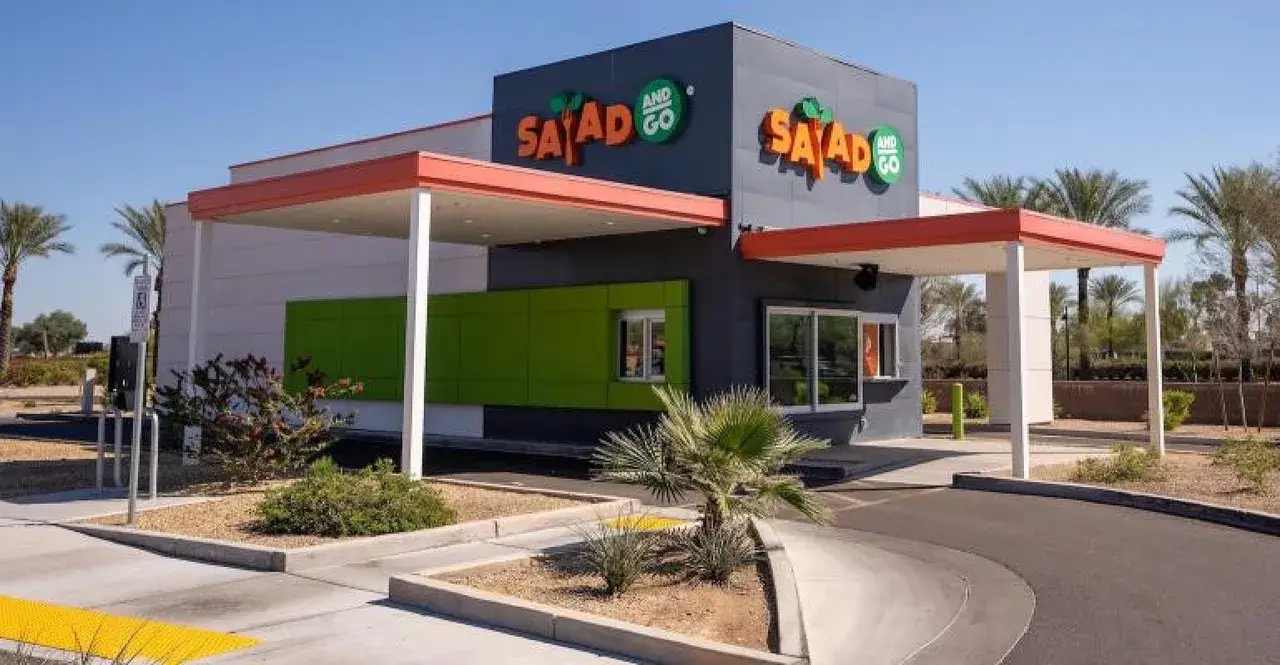
Salad and Go, the popular drive-thru salad chain, recently announced it will close 41 locations across Texas and Oklahoma. The closures come as part of a strategic shift designed to streamline operations and focus on the most profitable markets. This decision highlights both the challenges and opportunities in today’s fast-casual restaurant industry.
The closures affect major cities, including Houston, Austin, San Antonio, and parts of the Dallas-Fort Worth metro area. The company aims to concentrate its efforts on locations with strong growth potential, particularly in Dallas and Oklahoma, where the brand has performed well.
The Rise of Salad and Go
Founded in 2013 in Gilbert, Arizona, Salad and Go quickly gained popularity by offering healthy, affordable, and convenient meals. The chain’s drive-thru-only model set it apart from traditional fast-casual restaurants, allowing customers to enjoy made-to-order salads, wraps, and breakfast items without leaving their vehicles.
By 2025, Salad and Go had expanded to over 140 locations. Its focus on fresh ingredients, value pricing, and speed of service made it a favorite among health-conscious consumers and busy professionals. The brand’s growth mirrored the rising demand for fast-casual dining options that combine convenience with quality nutrition.
However, rapid expansion also brought operational and financial challenges. Managing a large number of locations, especially in competitive markets, placed pressure on resources and required careful strategic planning.
CEO Mike Tattersfield’s Leadership
Mike Tattersfield, appointed CEO in April 2025, explained that the closures were difficult but necessary. He emphasized that the move would allow Salad and Go to focus on strengthening the brand and improving customer experience.
“While it is never easy to close locations, these changes will allow us to build a stronger foundation for long-term growth,” Tattersfield said. “Our focus will remain on providing affordable, delicious, and nutritious meals to our customers.”
Under his leadership, the company aims to streamline operations, optimize supply chains, and focus on markets where it can achieve sustainable profitability. The closures are not a retreat from Texas or Oklahoma; rather, they represent a more targeted approach to growth.
Industry Challenges Driving the Closures
Salad and Go’s closures reflect broader trends in the fast-casual dining sector. Rising inflation, labor shortages, and increased food costs have put pressure on restaurants nationwide. Many brands have struggled to maintain profitability while meeting consumer expectations for quality, speed, and affordability.
Additionally, changing consumer habits—such as increased demand for delivery, online ordering, and meal customization—have required restaurants to adapt quickly. Chains that cannot adjust efficiently risk losing market share.
Salad and Go’s decision to consolidate its operations mirrors actions taken by other national and regional chains. Companies like Pinstripes, Hamburger Mary’s, and others have also closed locations or restructured to focus on profitability in key markets.
Community and Employee Impact
The closures will affect employees and communities across the impacted cities. Job losses are a reality, and local economies may feel the impact. However, the company has pledged to provide support and resources to help affected employees transition, either to other roles within the company or to external opportunities.
Customers in the affected areas will need to adjust, but the brand hopes that its remaining locations will continue to serve as hubs for healthy, affordable meals. Salad and Go has built strong community relationships, and management aims to maintain customer trust during this transition.
Strategic Focus on Dallas and Oklahoma
The decision to concentrate on Dallas and Oklahoma is based on data-driven analysis of market performance. In these regions, Salad and Go has seen consistent customer demand, strong sales, and opportunities for growth.
By focusing resources on these markets, the company can enhance operational efficiency, invest in marketing, and continue innovating its menu offerings. This strategy also allows for more personalized customer engagement and better overall service quality.
The Importance of Operational Efficiency
One key factor behind the closures is the need for operational efficiency. Managing over 140 locations requires significant logistical coordination, including staffing, supply chain management, and inventory control.
By reducing the number of locations, Salad and Go can better allocate resources to its high-performing stores. This enables the company to maintain quality standards, reduce operational stress, and ensure a consistent experience for customers.
Customer Loyalty and Brand Reputation
Salad and Go has built a loyal customer base over the years. The closures may disappoint some long-time patrons, but the company is taking steps to retain loyalty. Social media engagement, targeted promotions, and community outreach efforts are part of the plan to maintain strong connections with remaining customers.
Maintaining brand reputation is critical in the competitive fast-casual segment. By focusing on quality and customer experience, Salad and Go hopes to solidify its standing as a leading drive-thru salad chain.
Lessons from the Closure Strategy
Salad and Go’s experience provides several lessons for the broader restaurant industry:
- Data-Driven Decisions: Market performance and profitability should guide expansion and closure strategies.
- Adaptability: Chains must adapt to changing consumer behavior and economic pressures.
- Employee Consideration: Supporting staff during transitions helps maintain morale and brand integrity.
- Community Engagement: Maintaining customer trust is critical, especially when downsizing.
These lessons reflect the realities of running a fast-casual chain in an increasingly competitive and unpredictable market.
The Future of Salad and Go
Looking ahead, Salad and Go aims to strengthen its presence in Dallas and Oklahoma while exploring opportunities for innovation. Menu diversification, digital ordering enhancements, and sustainability initiatives are part of the growth strategy.
The company continues to see potential in Texas despite the closures. By concentrating on strategic markets, Salad and Go hopes to achieve long-term profitability and sustainable growth, ensuring that it remains a prominent player in the drive-thru salad segment.
Conclusion
Salad and Go’s announcement to close 41 restaurants underscores the challenges of operating in today’s fast-casual dining industry. While closures are never easy, the strategic decision allows the company to focus on profitable markets, optimize operations, and enhance customer experience.
CEO Mike Tattersfield’s leadership emphasizes a commitment to long-term growth, operational efficiency, and maintaining strong community and customer relationships. As Salad and Go continues its journey, the brand’s dedication to affordable, nutritious meals will remain at the forefront.
The fast-casual industry is evolving rapidly, and Salad and Go’s strategic shift highlights the importance of adaptability, data-driven decisions, and customer-centric operations. The coming years will determine how successfully the company leverages its remaining locations to achieve sustainable growth and maintain its reputation as a leading drive-thru salad chain.
Leave a Reply