When autumn arrives, everyday routines begin to change. Mornings feel cooler, evenings become cozier, and many people start craving warm soups, roasted vegetables, hearty grains, and comforting meals that bring everyone to the table.
But creating a satisfying fall menu doesn’t have to mean buying specialty ingredients or spending hours in the kitchen. Some of the smartest grocery choices are simple, affordable foods that can be used in several different recipes.
A bag of sweet potatoes can become breakfast hash, a roasted vegetable bowl, or a filling soup. A container of oats can provide warm breakfasts, homemade snacks, and a crunchy topping for baked fruit. A few cans of beans can turn into chili, quesadillas, grain bowls, or a quick addition to a salad.
The secret is building a grocery basket around ingredients that work together.
Instead of planning every meal as a separate recipe, think about how a handful of versatile foods can support several meals throughout the week. This approach can reduce food waste, simplify shopping, and make home cooking feel more manageable during the busy fall season.
Start With Ingredients That Do More Than One Job
An efficient fall grocery basket begins with foods that can be prepared in different ways.
Seasonal produce provides flavor and variety, while pantry staples offer convenience and longer storage. Affordable proteins help turn vegetables and grains into satisfying meals, and a few basic seasonings allow the same ingredients to taste different from one day to the next.
The best ingredients are not necessarily the cheapest items on the shelf. They are the ones that provide good value, fit your household’s needs, and can be used before they spoil.
Before shopping, check what is already in your kitchen. You might have rice, pasta, lentils, frozen vegetables, canned tomatoes, or spices that can form the foundation of several meals.
Then choose a few fresh ingredients that complement those staples.
For example, sweet potatoes, cabbage, carrots, onions, apples, oats, eggs, beans, and rice can support a surprisingly varied menu. Exact prices and seasonal availability depend on your location, so compare unit prices and look for local sales rather than assuming every seasonal item will always be cheaper.
With a little planning, a modest grocery basket can offer more possibilities than a cart filled with ingredients intended for only one recipe.
Sweet Potatoes: One Vegetable, Several Comforting Meals
<AsyncImageGroup query={[“roasted orange sweet potatoes on baking tray autumn cooking”,”sweet potato breakfast hash eggs skillet”,”creamy sweet potato soup bowl rustic fall”]} aspectRatio=”5:4″ layout=”bento” />
Sweet potatoes are a fall-friendly staple because they work in savory and slightly sweet dishes. Their natural sweetness pairs well with cinnamon, smoked paprika, black pepper, garlic, and other everyday seasonings.
They can be roasted, mashed, baked, or added to soups and stews.
A single batch of roasted sweet potatoes can provide the foundation for multiple meals:
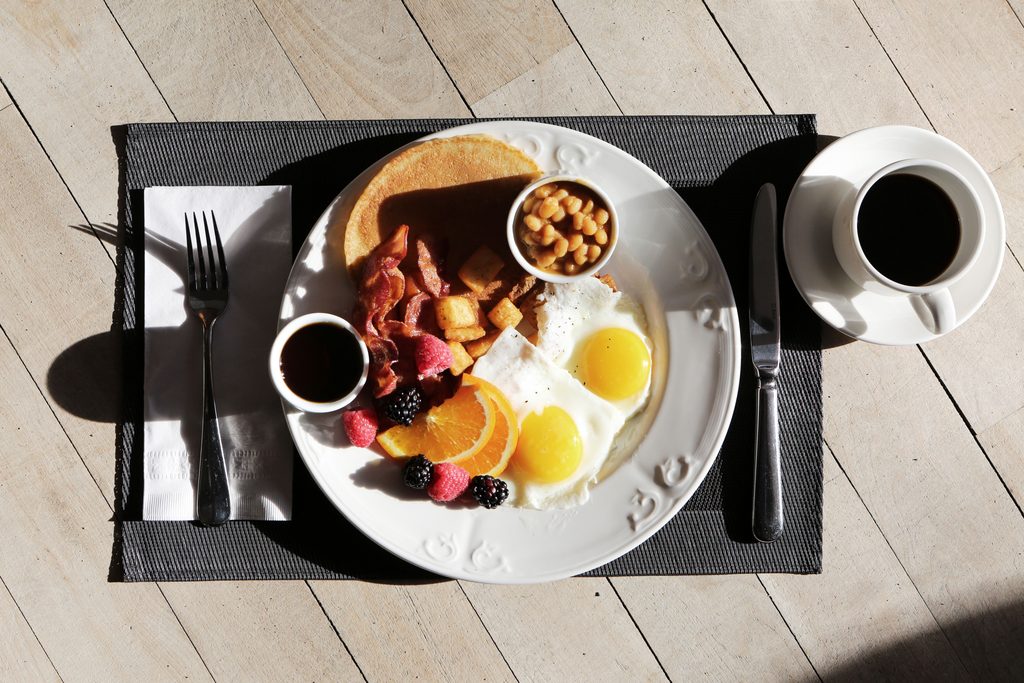
- Breakfast: Combine diced sweet potatoes with onions and eggs for a warm breakfast hash.
- Lunch: Add roasted cubes to a bowl with rice, black beans, and a simple lime dressing.
- Dinner: Mix them into a vegetable soup with broth, carrots, and white beans.
- Side dish: Serve roasted sweet potatoes alongside chicken, fish, tofu, or another preferred protein.
The advantage is that the preparation can happen once. Roast a tray of cubed sweet potatoes, use what you need for the first meal, and refrigerate the remaining portions promptly in shallow containers.
When you want a different flavor, change the seasonings rather than preparing an entirely new dish.
For a savory version, use garlic, paprika, and pepper. For a warmer fall profile, try cinnamon with a small amount of olive oil. You can even mash leftover roasted sweet potatoes into a filling for wraps or quesadillas.
One ingredient becomes several meals without requiring a complicated recipe.
Apples: An Affordable Ingredient for Breakfast and Snacks
<AsyncImageGroup query={[“fresh apples in rustic autumn kitchen bowl”,”warm cinnamon baked apple slices in small baking dish”,”oatmeal bowl with sliced apple cinnamon”]} aspectRatio=”5:4″ layout=”bento” />
Apples are closely associated with fall, and they can be useful in both sweet and savory cooking.
Depending on the variety and local availability, buying apples in a bag may offer better value than purchasing them individually. Choose fruit that suits how you plan to use it: some varieties hold their shape well when baked, while others soften more readily.
Here are a few easy ways to use them:
Apple cinnamon oatmeal: Stir diced apples and cinnamon into oats as they cook. Add milk or a suitable alternative for a creamier texture.
Warm baked apples: Slice apples, sprinkle with cinnamon, and bake until tender. Serve alone or with plain yogurt.
Apple and cabbage slaw: Combine thinly sliced apples with shredded cabbage and a light dressing for a crisp side dish.
Apple snack plate: Pair apple slices with peanut butter, cheese, or yogurt for a snack that combines fruit with protein or fat.
Savory apple skillet: Add sliced apples to a pan with onions and cabbage for a sweet-and-savory vegetable side.
Using apples in multiple ways also helps prevent them from sitting forgotten in the refrigerator. If you notice that the fruit is becoming softer, prioritize cooked recipes rather than waiting until the apples are no longer enjoyable to eat.
A little cinnamon, a warm pan, and an inexpensive fruit can make an ordinary fall afternoon feel more special.
Cabbage and Carrots: The Workhorses of the Grocery Basket
Cabbage and carrots are particularly useful for budget-conscious cooking because they can appear in many different meals.
Whole cabbage often provides several servings, while carrots can be eaten raw, roasted, steamed, or incorporated into soups. Both vegetables can add texture and flavor without requiring expensive sauces or specialty ingredients.
Together, they form a versatile foundation.
For lunch, shred cabbage and carrots into a simple slaw. At dinner, sauté them with garlic and serve them over rice. On a colder evening, add them to a pot of vegetable soup with potatoes, beans, or lentils.
You can also use shredded cabbage as a filling for wraps or mix it into noodles for an easy stir-fry.
Carrots offer similar flexibility. Roast them with onions for a sweet, savory side dish, add them to tomato-based sauces, or simmer them in broth until tender.
The key is to avoid treating vegetables as ingredients that must be eaten in exactly the same way every time.
Different cooking methods create different textures. Raw cabbage is crisp, sautéed cabbage becomes tender, and slowly cooked cabbage develops a softer, more mellow flavor. Carrots also change character when roasted compared with steamed or simmered.
These differences make it possible to reuse affordable ingredients without making every meal taste identical.
Oats: More Than a Breakfast Food
Oats are a practical pantry staple because they are inexpensive per serving, easy to store, and useful beyond a morning bowl of oatmeal.
A large container can support breakfast, snacks, and even selected savory recipes.
For a classic fall breakfast, cook oats with milk or water and add apples, cinnamon, and a spoonful of nut butter. If you prefer a chilled option, prepare overnight oats with yogurt or milk and refrigerate them for the next morning.
Oats can also become simple homemade snacks.
Mix oats with mashed banana, cinnamon, and a little nut butter to make an easy baked oat bar. Alternatively, combine oats with chopped apples and a small amount of butter or oil to create a crumbly topping for baked fruit.
For savory cooking, finely ground oats can help bind vegetable patties or meatballs. They can also thicken certain soups when added in small amounts, although the texture will differ from a traditional flour-based thickener.
Because oats are shelf-stable, they are especially useful for planning meals around ingredients that need to be eaten sooner.
Pair them with fresh apples, frozen berries, bananas, or other affordable fruit to create variety without purchasing an entirely different breakfast for every day.
Beans and Lentils: Affordable Protein for Hearty Meals
Beans and lentils are valuable grocery-basket ingredients because they provide plant-based protein and fiber while fitting into a wide range of dishes.
Canned beans offer convenience, while dried beans and lentils may provide better value per serving when you have time to prepare them. Compare package prices, cooking time, and the amount you will realistically use.
A few pantry staples can create several different meals.
Bean chili: Combine beans, canned tomatoes, onions, and chili seasoning. Add corn or other vegetables if available.
Lentil soup: Simmer lentils with carrots, onions, broth, and seasonings until tender.
Rice and bean bowls: Serve beans over rice with roasted sweet potatoes, cabbage, or another vegetable.
Quesadillas: Mash beans lightly with seasoning, spread them inside tortillas, and add cheese if desired.
Pasta with white beans: Stir white beans into tomato sauce with garlic and spinach or another available vegetable.
Beans and lentils also make it easier to adapt meals to different preferences. They can be the main protein in a plant-based dinner or supplement a smaller portion of another protein source.
If you use canned beans, draining and rinsing them can reduce some of the sodium, depending on the product. Check labels when sodium intake is a consideration.
Most importantly, these ingredients help transform inexpensive vegetables and grains into meals that feel substantial and satisfying.
Rice and Pasta: The Foundation for Quick Weeknight Dinners
Rice and pasta are not limited to any one season, but they become especially useful when paired with fall vegetables and hearty sauces.
They are also ideal for reducing the number of ingredients needed across a weekly meal plan.
A pot of rice can accompany a sweet potato and bean bowl, serve as a base for a vegetable stir-fry, or become a simple side dish with soup. Pasta can be paired with canned tomatoes, onions, beans, carrots, or frozen vegetables to make an easy dinner.
For a comforting fall meal, combine pasta with a tomato sauce, sautéed cabbage, and white beans. Another option is a rice bowl topped with roasted sweet potatoes, black beans, and a simple yogurt-based sauce.
If you cook rice in advance, cool it promptly, refrigerate it in shallow containers, and use it within a safe period. Cooked rice can support bacterial growth if it remains at room temperature too long, so avoid leaving it out for extended periods.
Preparing a staple ahead of time can save effort, but food safety should always remain part of the plan.
Eggs: A Simple Way to Make Meals More Satisfying
Eggs can provide an easy protein option for households that eat them. They are versatile enough for breakfast, lunch, or dinner and can complement many of the vegetables already in a fall grocery basket.
A few eggs can turn leftover roasted vegetables into a breakfast skillet, create a quick omelet with cabbage and onions, or top a bowl of rice and vegetables.
They can also become an uncomplicated dinner when paired with toast and a side salad.
For a more filling meal, combine eggs with sweet potatoes and onions in a skillet. Another option is to cook a vegetable frittata using whatever produce needs to be used first.
The advantage of flexible ingredients is that you can adapt the recipe to what is available rather than buying something new every time a meal changes.
Egg prices can fluctuate, so compare the cost per egg with other proteins such as beans, lentils, canned fish, tofu, or poultry. The best choice depends on your budget, preferences, and dietary needs.
Build a Three-Day Menu Before Planning the Entire Week
One of the easiest ways to make fall grocery shopping more efficient is to plan a few connected meals instead of attempting to create a completely different menu for every day.
A three-day plan can provide a manageable starting point.
Day One: Roast and Prepare
- Breakfast: Apple cinnamon oatmeal.
- Lunch: Rice bowl with black beans and roasted sweet potatoes.
- Dinner: Lentil soup with carrots, onions, and cabbage.
Prepare a batch of roasted sweet potatoes and cook enough rice for the next day’s lunch. Store leftovers safely and refrigerate them promptly.
Day Two: Reuse the Ingredients Differently
- Breakfast: Eggs with leftover sweet potatoes and onions.
- Lunch: Warm rice bowl with beans, shredded cabbage, and a simple dressing.
- Dinner: Pasta with tomato sauce, white beans, and sautéed vegetables.
The same ingredients appear again, but the meals have different textures, flavors, and formats.
Day Three: Finish What You Have
- Breakfast: Overnight oats with chopped apples.
- Lunch: Leftover lentil soup or a cabbage and bean wrap.
- Dinner: Vegetable stir-fry with rice and your preferred protein.
For snacks, use apples, carrots, yogurt, or other items already in the refrigerator.
This approach creates structure without making the week feel overly rigid. If plans change, the ingredients can be rearranged into different combinations.
Shop Smarter Without Buying Everything at Once
An affordable grocery basket is not necessarily the smallest basket. It is one that provides enough food for the household while limiting waste and unnecessary purchases.
Before shopping, make a quick inventory of your pantry, refrigerator, and freezer. Then organize your list by category.
A practical fall list might include:
- Produce: Sweet potatoes, apples, cabbage, carrots, and onions.
- Protein: Eggs, canned beans, lentils, or another preferred protein.
- Grains: Oats, rice, pasta, or whole-grain bread.
- Pantry items: Canned tomatoes, broth, cooking oil, and a few versatile seasonings.
- Optional additions: Yogurt, frozen vegetables, cheese, or fresh herbs, depending on your budget.
You do not need to buy every item on this list. Choose the ingredients that fit the meals you plan to prepare.
Compare unit prices rather than looking only at the package price. Frozen produce can be useful when fresh options are expensive or likely to spoil before you use them. Store brands may offer comparable everyday staples at lower prices.
Also consider your cooking schedule. Buying an inexpensive ingredient is not a good value if it requires more preparation time than you realistically have or ends up unused.
A smaller, well-planned basket can be more effective than an ambitious shopping trip filled with ingredients for recipes you may never make.
Keep Comfort Food Simple and Flexible
Fall cooking is often associated with elaborate casseroles, rich sauces, and recipes that require long ingredient lists. Those dishes can be enjoyable, but everyday comfort food does not have to be complicated.
A warm bowl of soup, roasted vegetables with rice, or oatmeal topped with apples can feel satisfying because of the combination of warmth, texture, aroma, and familiar flavors.
Small finishing touches can make inexpensive meals more enjoyable. Add a squeeze of lemon to brighten a bean bowl, sprinkle cinnamon over warm apples, or use garlic and smoked paprika to give roasted vegetables more depth.
Fresh herbs, when affordable, can add flavor. A little grated cheese, a spoonful of yogurt, or a simple homemade dressing can also change the character of a meal.
You do not need an extensive collection of ingredients to make everyday food interesting. A few reliable seasonings and different preparation methods can create plenty of variety.
It also helps to leave room for convenience. Frozen vegetables, canned beans, pre-cut produce, and ready-to-use broth can save time when schedules become busy. Home cooking should make daily life easier, not create another demanding responsibility.
The Best Fall Grocery Basket Is the One You Actually Use
The smartest seasonal grocery basket is not about following a perfect list or buying every ingredient associated with autumn. It is about choosing foods that work together, fit your budget, and make it easier to prepare meals you enjoy.
Sweet potatoes can become breakfast, lunch, and dinner. Apples can move from oatmeal to snacks to savory side dishes. Cabbage and carrots can appear in soups, bowls, wraps, and stir-fries. Beans, lentils, oats, rice, and pasta provide practical foundations for countless combinations.
When ingredients serve multiple purposes, meal planning becomes less complicated. Shopping can become more intentional, leftovers become easier to use, and the pressure to invent a new recipe every day begins to fade.
As fall routines settle in, start with a few dependable staples, add seasonal produce when it offers good value, and build meals around what you already have.
Because a comforting autumn meal does not need an expensive ingredient list or hours of preparation.
Sometimes, it starts with a small grocery basket, a warm pan, and a plan that makes the most of every ingredient.
References
- USDA Seasonal Produce Guide: https://snaped.fns.usda.gov/resources/nutrition-education-materials/seasonal-produce-guide
- USDA MyPlate — Healthy Eating on a Budget: https://www.myplate.gov/eat-healthy/healthy-eating-budget
- Harvard T.H. Chan School of Public Health — The Nutrition Source: https://nutritionsource.hsph.harvard.edu/
- USDA Food Safety and Inspection Service — Leftovers and Food Safety: https://www.fsis.usda.gov/food-safety/safe-food-handling-and-preparation/food-safety-basics/leftovers-and-food-safety
Leave a Reply