October has a way of changing how people think about dinner. As temperatures cool and evenings grow shorter, crisp salads and quick summer meals begin sharing the table with roasted vegetables, hearty soups, baked pasta, and warm desserts. Suddenly, a meal that fills the kitchen with the smell of garlic, herbs, apples, or cinnamon feels especially appealing.
But seasonal cooking does not have to mean spending an entire evening preparing dinner.
For many households, the best fall meals are the ones that deliver comfort without creating extra work. A sheet pan of roasted vegetables, a pot of soup that lasts for two nights, or a one-pan chicken dinner can bring the flavors of the season to the table without requiring complicated recipes or an overflowing grocery cart.
The secret to practical October cooking is having a simple formula: choose a seasonal ingredient, pair it with a satisfying protein or hearty base, add a few complementary flavors, and use a cooking method that minimizes cleanup.
It is a flexible approach that makes dinner feel seasonal, delicious, and manageable—even on the busiest weekdays.
Start With the Ingredients October Does Best
Seasonal cooking becomes easier when the grocery list starts with ingredients that naturally suit the weather.
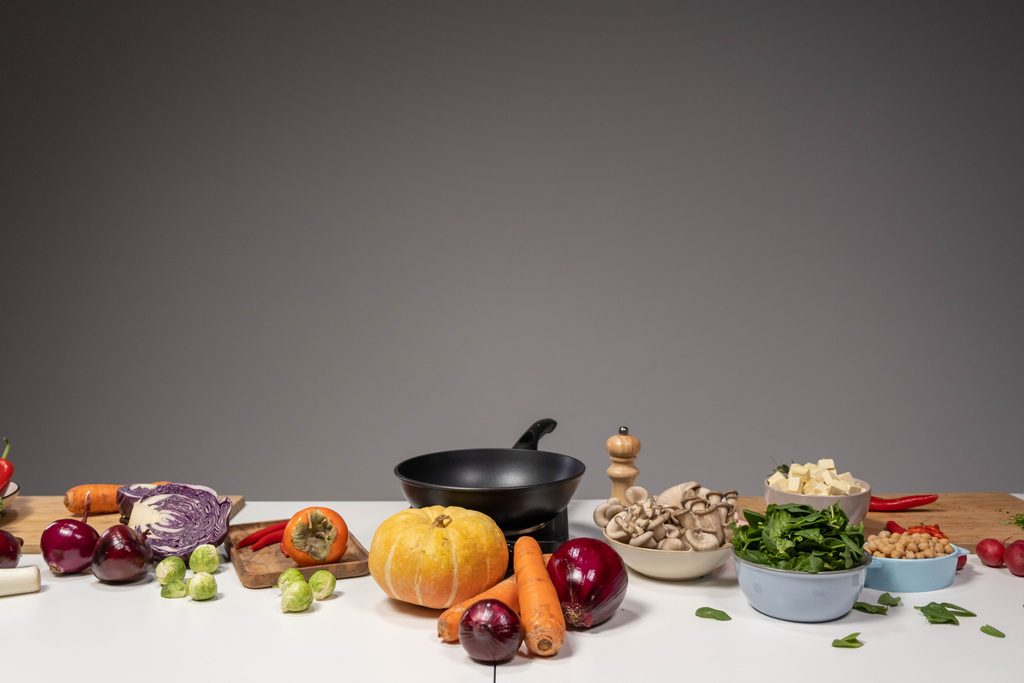
Apples, pears, winter squash, sweet potatoes, pumpkins, Brussels sprouts, carrots, cabbage, and other cool-weather vegetables can serve as the foundation for a variety of meals. Depending on the region and local availability, October can also be a good time to find fresh mushrooms, cauliflower, broccoli, and hearty greens.
These ingredients are useful because they work across several types of dishes. A butternut squash can become roasted cubes for a grain bowl, a creamy soup, or a side dish with chicken. Apples can be sliced into salads, cooked into oatmeal, or baked into a simple dessert. Cabbage can be roasted, sautéed, or added to a pot of soup.
Instead of buying ingredients for one elaborate recipe, choose a few that can be reused throughout the week.
For example, a grocery trip might include sweet potatoes, apples, carrots, chicken, canned beans, rice, broth, and a bag of greens. Those ingredients can become multiple dinners without making every meal taste the same.
The goal is not to buy every seasonal ingredient available. It is to select a small group of versatile foods that can be combined in different ways.
The Sheet-Pan Dinner Is an October Essential
When dinner needs to be simple, the sheet pan is one of the most useful tools in the kitchen.
The method is straightforward: arrange vegetables and a protein on a baking sheet, season everything, roast until cooked, and serve. There is no need to manage several pots or constantly move between cooking stations.
A practical fall combination is chicken thighs, sweet potatoes, red onions, and Brussels sprouts. Toss the vegetables with olive oil, garlic, black pepper, and dried thyme. Season the chicken separately, then arrange everything on a baking sheet with enough space for the ingredients to roast rather than steam.
Roast until the chicken reaches a safe internal temperature and the vegetables are tender and browned. Cooking times will depend on the size of the ingredients and the type of chicken used, so a food thermometer is useful for checking doneness.
The same method can be adapted to different preferences.
- Vegetarian option: Combine chickpeas, cauliflower, carrots, and red onion with paprika, cumin, and olive oil.
- Sausage dinner: Roast sliced chicken sausage with potatoes, peppers, and onions.
- Salmon night: Pair salmon fillets with broccoli and small potato pieces, adding the salmon according to its shorter cooking time.
- Meatless comfort meal: Roast squash, mushrooms, and white beans with rosemary and garlic.
The real advantage is flexibility. Once the basic technique becomes familiar, dinner can be built around whatever ingredients are already in the refrigerator.
Make Soup That Works Beyond One Meal
Few dishes fit October quite like a pot of soup. It is warm, adaptable, and easy to make in quantities that cover more than one dinner.
A simple vegetable soup can begin with onions, carrots, and celery softened in a little oil. Add garlic, broth, canned tomatoes, beans, and vegetables such as kale, cabbage, or zucchini. Season with herbs, simmer until everything is tender, and finish with lemon juice or a little grated cheese if desired.
For a thicker soup, blend part of the mixture or add cooked potatoes. For more substance, serve it with whole-grain bread, a sandwich, or a side salad.
Another practical option is lentil soup. Lentils provide plant-based protein and fiber, while carrots, onions, tomatoes, and spices create a flavorful base. Because dried lentils are generally inexpensive and store well, they can be useful pantry staples during the colder months.
Squash soup offers a different kind of comfort. Roast cubed butternut squash with onion and garlic, then blend it with broth until smooth. A little ginger, black pepper, or nutmeg can add warmth without overwhelming the squash’s natural sweetness.
The smartest soup strategy is to cook once and plan twice. Serve the soup for dinner, then refrigerate the remaining portion promptly in shallow containers. Use refrigerated leftovers within three to four days, or freeze portions for future meals.
A pot of soup can turn one cooking session into a second dinner or an easy lunch without requiring another full round of preparation.
Build a One-Pan Dinner Around a Hearty Base
Sheet-pan meals rely on the oven, but the same low-effort philosophy works on the stovetop.
One-pan dinners often begin with a hearty base such as rice, pasta, potatoes, beans, or lentils. Add vegetables, seasonings, and a protein, then let the ingredients cook together or in a simple sequence.
A tomato-and-white-bean skillet, for example, can start with garlic and onion sautéed in olive oil. Add canned tomatoes, drained white beans, Italian seasoning, and spinach. Let the mixture simmer until the flavors come together, then finish with Parmesan or serve it with crusty bread.
For a more substantial meal, add cooked chicken or serve the skillet over rice.
A fall-inspired sausage and cabbage skillet is another practical choice. Brown sliced sausage, add shredded cabbage and onion, and cook until the vegetables soften and develop a little color. Mustard, black pepper, and apple cider vinegar can provide a bright finish that balances the richness of the sausage.
For pasta lovers, combine mushrooms, garlic, spinach, and pasta with a modest amount of cream, broth, or grated cheese. The mushrooms add savory flavor, while the greens bring color and texture.
These meals are especially useful when the evening schedule is unpredictable. Most rely on familiar ingredients, require little specialized equipment, and can be adjusted according to the number of people eating.
Use the Oven to Make Vegetables More Appealing
Roasting is one of the simplest ways to transform everyday vegetables into satisfying sides.
High oven heat encourages browning, creating deeper flavors and slightly crisp edges. Vegetables that might seem ordinary when boiled or steamed can become more appealing when roasted with oil, seasoning, and enough space on the baking sheet.
Carrots pair well with thyme, black pepper, and a small drizzle of honey. Cauliflower works with paprika, cumin, or curry-inspired spices. Brussels sprouts can be tossed with garlic and finished with lemon juice. Sweet potatoes complement smoked paprika, rosemary, or chili powder.
The technique matters as much as the seasoning.
Cut vegetables into similar-sized pieces so they cook more evenly. Dry them before adding oil, avoid overcrowding the pan, and turn them when necessary to encourage browning on multiple sides. If the pan is packed too tightly, vegetables are more likely to release moisture and steam instead of developing roasted edges.
Roasted vegetables can also do more than sit beside the main course.
Add them to grain bowls, fold them into pasta, combine them with beans, or use them as a filling for wraps. Leftover roasted squash and sweet potatoes can be reheated with eggs for breakfast or added to a lunch bowl with greens and a simple dressing.
A single tray of vegetables can therefore contribute to several meals rather than serving just one purpose.
Make Comfort Food More Balanced Without Losing the Comfort
Fall cooking often brings richer dishes into the rotation: creamy pasta, baked casseroles, cheesy potatoes, and hearty meat-based meals. These foods can fit into a varied eating pattern, and enjoying seasonal comfort food does not require turning every recipe into a restrictive version of itself.
A practical approach is to think about what makes a meal satisfying and where a few additions might improve it.
A baked pasta dish can include mushrooms, spinach, or roasted vegetables alongside the pasta and cheese. A creamy soup can be served with beans or a protein-rich sandwich. A casserole can combine a familiar comfort-food base with vegetables and a source of protein.
These additions can provide more variety in flavor, texture, and nutrients while preserving the character of the dish.
Portions and ingredients can also be adjusted according to individual needs. Someone cooking for an active family may want a larger batch of pasta or potatoes, while another household may prefer smaller servings alongside a generous vegetable side.
There is no single formula that works for every person or every meal.
The most useful goal is to build dinners that are enjoyable, filling, and practical enough to make regularly. A balanced eating pattern develops over time, not from making every plate perfect.
Let Apples Handle Dessert
October’s seasonal cooking does not need to end with dinner. Apples and pears offer easy ways to create warm desserts without complicated pastry work.
For a simple baked apple dessert, slice apples into a baking dish and toss them with cinnamon, a squeeze of lemon, and a little brown sugar or maple syrup. Add a small amount of water, cover loosely, and bake until the fruit softens. Uncover near the end if you want the edges to brown slightly.
Serve the apples on their own or with yogurt, oatmeal, or a small scoop of ice cream.
For a quick apple crisp, combine sliced apples with a topping made from oats, flour, butter, cinnamon, and a little sugar. Bake until the fruit bubbles and the topping turns golden. Using oats adds texture, while the apples provide most of the dessert’s volume and natural sweetness.
Pear slices can be baked in a similar way, especially with cinnamon, ginger, or a little vanilla.
Another option is to prepare a batch of stewed apples for several uses. Spoon them over oatmeal, stir them into yogurt, or serve them alongside pancakes. This makes seasonal fruit useful throughout the week rather than reserving it for dessert alone.
The best part of these ideas is that they rely on ingredients many households already keep on hand.
Plan the Week Around Three Reliable Dinners
Meal planning can quickly become another chore if it involves choosing a completely different recipe for every evening. A simpler strategy is to select three reliable dinners and let leftovers, pantry meals, and flexible sides fill the gaps.
For example:
Monday: Sheet-pan chicken and vegetables
Roast chicken with sweet potatoes, carrots, and onions. Prepare enough vegetables to use in another meal.
Tuesday: Tomato and white bean skillet
Simmer beans with tomatoes, garlic, and spinach. Serve with bread or rice.
Wednesday: Leftover night
Turn Monday’s vegetables and any remaining chicken into wraps, grain bowls, or a quick skillet.
Thursday: Hearty soup
Make lentil, vegetable, or squash soup, depending on what needs to be used.
Friday: Easy pasta
Combine pasta with mushrooms, greens, garlic, and a protein of choice.
The weekend can remain flexible for eating out, trying a new recipe, or preparing a larger batch of food for the coming week.
This approach provides structure without demanding that every dinner be planned in advance. It also helps reduce food waste because ingredients are deliberately used in more than one meal.
Keep a Small Fall Pantry Ready
A well-stocked pantry can make the difference between cooking dinner and ordering takeout simply because the refrigerator looks empty.
Canned beans, lentils, broth, canned tomatoes, rice, pasta, oats, flour, olive oil, and a few favorite seasonings can form the foundation of countless meals.
Frozen vegetables are useful, too. They can be added to soups, skillet meals, pasta, and grain bowls without the pressure of using fresh produce before it spoils. Frozen fruit can be used in oatmeal, smoothies, or baked desserts.
A small collection of seasonings makes these staples more versatile. Garlic powder, smoked paprika, cumin, thyme, oregano, cinnamon, and black pepper can take the same basic ingredients in different directions.
The objective is not to build an enormous pantry. It is to keep enough reliable ingredients available that a meal can come together even when grocery shopping has not happened as planned.
Make Cleanup Part of the Recipe
A dinner is not truly convenient if cooking takes thirty minutes but cleanup takes another forty.
Practical fall cooking works best when the method is considered before the ingredients are chosen. Sheet-pan dinners reduce the number of cooking vessels. One-pot soups limit the amount of equipment needed. A single skillet can handle many vegetable, bean, and pasta combinations.
A few habits can help even more.
Read the recipe before beginning, prepare ingredients in groups, and clean the cutting board or utensils while food cooks when it is safe to do so. Line baking sheets with suitable parchment when appropriate, and store leftovers in containers that are easy to reheat.
It is also worth choosing recipes that match the energy available that evening. A complicated roast may be enjoyable on a relaxed Sunday, but a ten-ingredient skillet is likely to be more realistic after a busy workday.
The best dinner plan is not the most ambitious one. It is the one that works in real life.
The October Dinner Formula That Lasts
Seasonal cooking does not need to mean chasing every fall food trend or spending hours recreating restaurant dishes. It can be as simple as roasting vegetables, making a pot of soup, preparing a flexible skillet, and keeping apples ready for dessert.
The formula is straightforward: start with ingredients that suit the season, combine them with a satisfying base or protein, choose a low-effort cooking method, and plan for leftovers when possible.
That approach leaves room for creativity without making dinner unnecessarily complicated.
As October brings cooler evenings and more reasons to crave warm, comforting meals, a practical kitchen routine can make seasonal eating feel easier. A tray of roasted vegetables, a bowl of soup, or a skillet of beans and tomatoes may not look elaborate, but these are the kinds of meals that can make a busy week feel more manageable.
Because the best fall dinner is not necessarily the one that takes the longest to prepare.
It is the one everyone can enjoy—and the one you can realistically make again tomorrow.
Leave a Reply