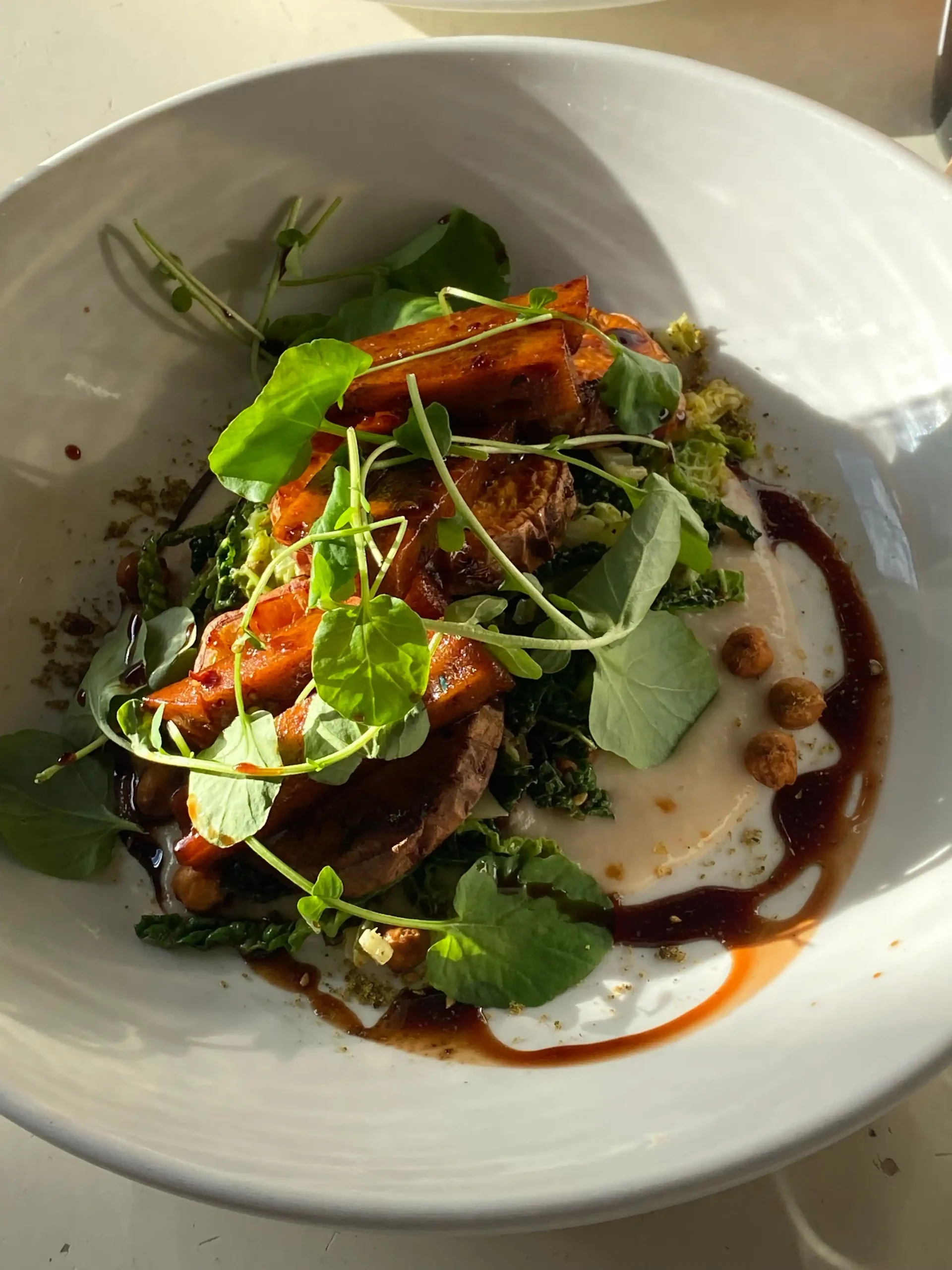
Behind Los Angeles’s vegan food revolution are chefs who are challenging conventional ideas about how meals should be prepared and presented. Rather than simply removing meat, eggs, and dairy from existing recipes, many plant-based chefs are developing dishes that place vegetables and other plant ingredients at the center of the experience.
Techniques such as roasting, fermentation, smoking, pickling, and slow cooking help transform everyday ingredients into complex dishes. Mushrooms can develop rich, savory flavors, cauliflower can become a centerpiece entree, and cashews can be blended into creamy sauces and dairy-free cheeses. Beans, grains, and seasonal vegetables provide additional opportunities to create meals with contrasting textures and distinctive flavors.
Los Angeles has also benefited from the influence of chefs who combine plant-based cooking with international culinary traditions. Mexican-inspired vegan tacos, Asian-style noodle dishes, Mediterranean vegetable plates, and contemporary American comfort foods demonstrate how flexible plant-based cuisine can be.
This creativity has helped change perceptions of vegan dining. Instead of being viewed as a restrictive way of eating, plant-based cuisine is increasingly appreciated as a culinary discipline with its own techniques, ingredients, and possibilities.
For food enthusiasts visiting Los Angeles, this means vegan dining can be an experience worth pursuing even when health or ethical considerations are not the primary motivation. The attraction lies in discovering how talented chefs can turn familiar ingredients into something unexpected.
Sustainability Is Influencing Food Choices
Sustainability has become an important part of conversations about the future of food, and plant-based cuisine is often included in that discussion. Producing food requires land, water, energy, transportation, and other resources. The environmental impact varies considerably depending on the ingredients, farming methods, production systems, and supply chains involved.
In general, replacing some meat-heavy meals with plant-based alternatives can reduce food-related environmental impacts, particularly when the alternatives rely on ingredients such as beans, lentils, and other plant proteins. This has encouraged environmentally conscious consumers to reconsider how their everyday food choices affect the planet.
Los Angeles is particularly relevant to this conversation because its dining culture includes restaurants, farmers’ markets, food businesses, and consumers interested in local sourcing and waste reduction. Many diners are looking beyond the finished meal and asking questions about ingredient origins, packaging, food waste, and responsible production.
Plant-based dining can support these goals, although not every vegan product is automatically sustainable. Highly processed alternatives can have different environmental footprints depending on their ingredients and manufacturing methods. Seasonal produce, locally appropriate ingredients, efficient food preparation, and reduced waste can also contribute to more responsible dining.
For restaurants, sustainability can influence menu development as well as purchasing decisions. Chefs may design menus around seasonal vegetables, use more parts of an ingredient, or adjust portion sizes to minimize waste. These practices demonstrate that the future of sustainable dining involves more than removing animal products from a recipe.
Health and Wellness Are Fueling the Plant-Based Movement
Health and wellness are additional reasons people are exploring plant-based food. Many consumers want to eat more vegetables, fruits, legumes, nuts, and whole grains while reducing their dependence on heavily processed meals. Los Angeles’s long-standing wellness culture has helped make these interests visible across its food scene.
A thoughtfully planned plant-based diet can provide fiber, vitamins, minerals, and a variety of beneficial plant compounds. Beans, lentils, vegetables, whole grains, nuts, and seeds can all contribute to a balanced eating pattern.
However, choosing vegan food does not automatically guarantee a nutritious diet. Some plant-based burgers, packaged snacks, desserts, and meat substitutes can contain substantial amounts of sodium, added sugars, or saturated fat. A balanced approach involves considering the overall quality and variety of foods rather than relying solely on a vegan label.
People following a fully vegan diet also need to pay attention to nutrients such as vitamin B12, which generally requires fortified foods or supplementation. Protein, iron, calcium, iodine, vitamin D, and omega-3 fats may also deserve attention depending on individual food choices.
For Los Angeles restaurants, this creates an opportunity to offer meals that combine flavor with nutritional variety. Menus featuring legumes, vegetables, whole grains, nuts, seeds, and carefully selected plant-based alternatives can appeal to diners seeking satisfying meals that fit their personal wellness goals.
Ultimately, the strongest appeal of plant-based cuisine is its flexibility. People can explore meat-free meals at their own pace without necessarily committing to a completely vegan lifestyle.
Where to Explore Plant-Based Dining in Los Angeles
Los Angeles offers a wide range of plant-based dining experiences, from casual restaurants serving familiar comfort food to establishments focused on sophisticated contemporary cuisine. Exploring different neighborhoods can help visitors discover how the city’s culinary diversity influences vegan dining.
West Hollywood is a useful starting point for travelers interested in creative restaurant concepts and contemporary dining. The area has long attracted food enthusiasts and wellness-conscious diners, making it a natural place to explore menus that emphasize vegetables, alternative proteins, and innovative presentations.
For a more upscale experience, Crossroads Kitchen in West Hollywood is known for its plant-based approach to Mediterranean-inspired and contemporary cuisine. Its menu demonstrates how vegan ingredients can be used to create an elegant restaurant experience rather than simply reproducing conventional vegetarian dishes.
Visitors can also explore the wider Los Angeles area for plant-based Mexican food, vegan bakeries, Asian-inspired dishes, and casual restaurants serving burgers, sandwiches, and bowls. This variety is particularly useful for travelers who want to experience different culinary traditions during the same trip.
Restaurant menus and opening hours can change, so visitors should check current offerings before planning a meal. It is also worth distinguishing fully vegan establishments from restaurants that offer a selection of plant-based dishes, particularly when strict dietary requirements are involved.
Rather than focusing exclusively on famous restaurants, travelers can explore local neighborhoods, independent cafes, and seasonal food markets. These experiences often provide a more personal introduction to the city’s evolving relationship with food.
The Future of Plant-Based Cuisine in Los Angeles
The next phase of the vegan food revolution will likely depend on a combination of culinary innovation, affordability, ingredient quality, and consumer demand. Although plant-based eating has gained visibility, restaurants and food manufacturers still face the challenge of making alternatives appealing to a broad audience.
Taste remains essential. Consumers may be curious about plant-based burgers or dairy-free cheese, but they are more likely to purchase these products regularly if they enjoy the flavor, texture, and price. Improving these qualities will be important for businesses hoping to make plant-based eating a lasting part of everyday dining.
Whole-food cooking will also remain important. While alternative proteins attract attention, traditional ingredients such as lentils, beans, tofu, mushrooms, and seasonal vegetables offer versatile foundations for affordable meals. Chefs who combine these ingredients with thoughtful preparation can create dishes that appeal to vegans and non-vegans alike.
Sustainability will continue to influence purchasing decisions, although consumers are likely to become more interested in the details behind environmental claims. Transparent sourcing, responsible packaging, reduced food waste, and clear ingredient information can help restaurants build trust.
Los Angeles is well positioned to participate in these developments because its food culture encourages experimentation and reflects a broad range of culinary traditions. Its plant-based restaurants can serve as places where established cooking techniques meet new ingredients and changing consumer expectations.
Conclusion: Los Angeles Is Shaping the Future of Plant-Based Dining
Los Angeles has become an influential destination for plant-based cuisine because it brings together culinary creativity, cultural diversity, wellness interests, and growing awareness of sustainability. Its vegan restaurants demonstrate that plant-based meals can be casual, comforting, sophisticated, or adventurous, depending on the ingredients and techniques involved.
From alternative proteins and innovative vegan chefs to vegetable-focused dishes and sustainable food practices, the city’s dining scene reflects a broader shift in how people think about what belongs on their plates. Plant-based eating is no longer limited to a small group of dedicated vegans. It has become an opportunity for a much wider audience to discover new flavors and reconsider familiar food choices.
As the movement continues to evolve, Los Angeles will remain an exciting place to explore the possibilities of modern plant-based cuisine. For travelers, the experience offers more than a chance to try vegan food. It provides a glimpse into how restaurants are responding to changing tastes, environmental concerns, and the search for more diverse dining experiences.
The future of food will not necessarily require everyone to follow the same diet. Instead, it may involve creating more choices that allow people to enjoy delicious meals while making decisions that reflect their individual values. In Los Angeles, the plant-based food revolution is showing how that future can take shape, one creative dish at a time.
Leave a Reply