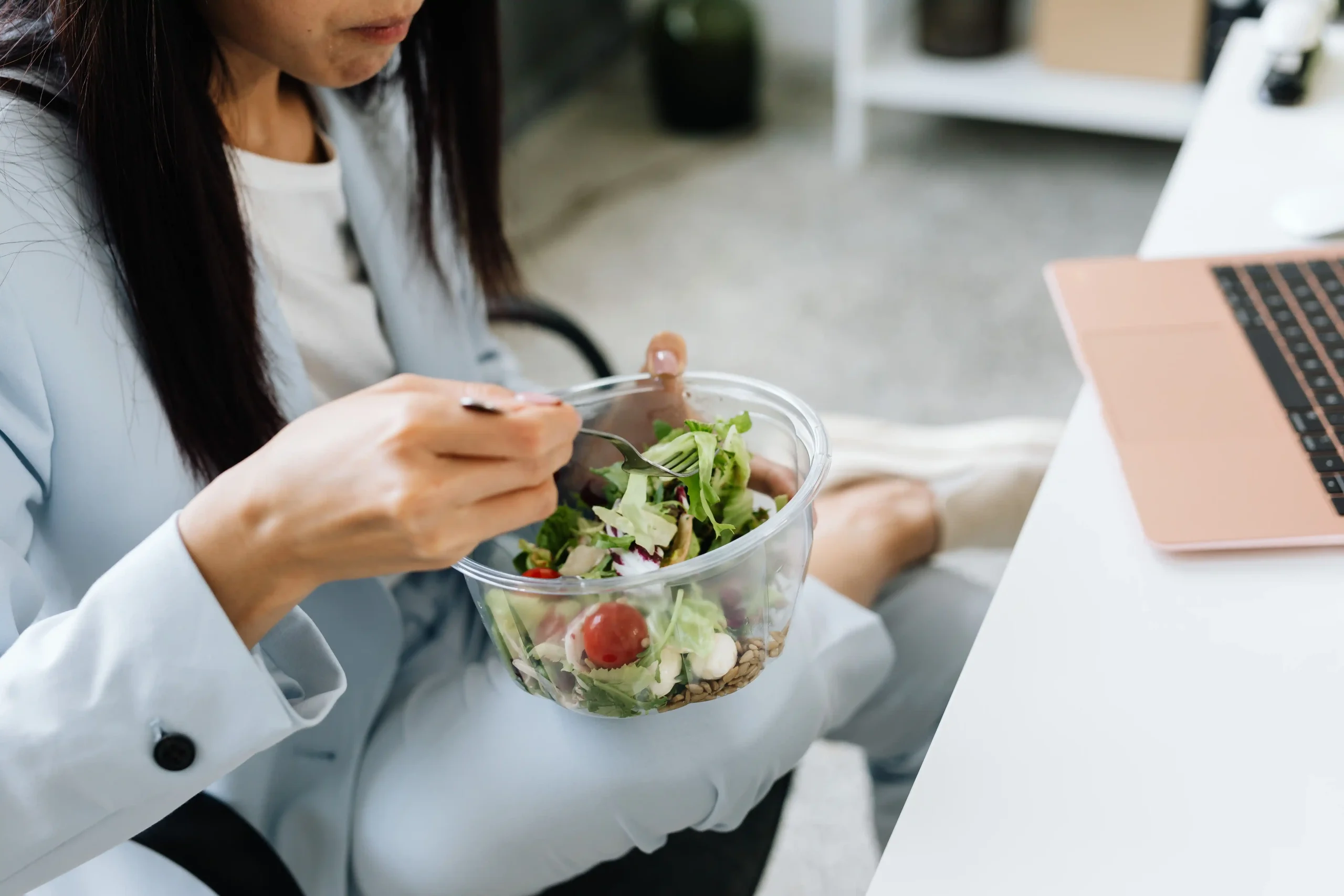
Eating healthy sounds simple in theory. Eat more vegetables, choose nutritious foods, drink enough water, limit highly processed meals, and maintain a balanced diet. Yet for millions of people, following those basic principles has become surprisingly difficult. In 2026, the challenge is not necessarily a lack of information. In fact, people have access to more nutrition advice than ever before. The bigger problem is figuring out which advice to trust and finding the time, money, energy, and consistency needed to turn healthy eating into an everyday habit.
Modern life has created an environment where convenience often wins over nutrition. Busy work schedules, rising food costs, food delivery apps, increasingly processed food options, social media trends, stress, and irregular routines can all influence what people eat. Even people who genuinely want to improve their diet can find themselves reaching for whatever is fastest and easiest after a long day.
Understanding why healthy eating has become so challenging is important because nutrition is not simply about willpower. Food choices are influenced by our environment, routines, emotions, finances, access to food, and even the way modern technology changes how we shop and eat. Recognizing these barriers can make it easier to build realistic habits instead of constantly feeling like a healthy lifestyle is out of reach.
The Problem With Having Too Many Nutrition Choices
One of the biggest nutrition challenges of modern life is the overwhelming amount of information available. Search for almost any food or ingredient online and you will find conflicting opinions. One source may describe carbohydrates as an essential part of a balanced diet, while another promotes a low-carb lifestyle. One wellness influencer may recommend avoiding dairy, while another promotes it as an important source of nutrients.
Social media has made this problem even more complicated. TikTok, Instagram, YouTube, and other platforms can quickly turn a particular food, supplement, diet, or eating pattern into a viral trend. While social media can introduce people to useful nutrition information, viral content is not automatically accurate or appropriate for everyone.
The result is nutrition confusion. People may become afraid of certain foods, jump between different diets, or believe that healthy eating requires following a complicated set of rules. Instead of making food choices easier, having endless information can sometimes make people feel more uncertain.
A healthier approach is to focus on consistent nutrition principles rather than constantly chasing the newest diet trend. A balanced eating pattern that includes vegetables and fruits, protein sources, whole grains or other nutrient-rich carbohydrates, healthy fats, and adequate fluids is generally more sustainable than repeatedly switching from one restrictive diet to another.
Ultra-Processed Foods Are Everywhere
Another major challenge is the growing availability and convenience of ultra-processed foods. Packaged snacks, sugary drinks, fast-food meals, instant noodles, frozen meals, sweetened cereals, desserts, and other highly processed products are often inexpensive, convenient, and easy to consume.
The problem is not that every processed food is automatically unhealthy. Processing can make foods safer, more convenient, and longer-lasting. The concern is when highly processed foods make up a large portion of a person’s overall diet and replace more nutrient-dense options.
Modern consumers are constantly surrounded by foods designed to be convenient and appealing. A person can order a meal in minutes, grab a packaged snack between meetings, or purchase a ready-to-eat meal without spending time preparing ingredients.
When life becomes hectic, convenience can easily become the deciding factor.
This is particularly challenging for people who work long hours, commute, study, care for children, or manage multiple responsibilities. Preparing a balanced meal from scratch every day can feel unrealistic when a quick alternative is available at the push of a button.
Busy Schedules Make Meal Planning Difficult
Time is one of the most valuable resources in modern life, and many people simply do not have enough of it.
A healthy diet often requires planning. Someone needs to decide what meals to prepare, purchase ingredients, cook them, store leftovers, and clean afterward. For people with demanding schedules, this can become another responsibility on an already long to-do list.
Skipping breakfast, eating lunch at a desk, delaying dinner, or relying on snacks throughout the day can become normal when schedules are unpredictable. Some people may spend hours working and suddenly realize that they have barely eaten, leading them to choose whatever food is immediately available.
Meal planning does not have to mean preparing elaborate meals every Sunday or following a strict diet plan. Even simple preparation can help. Having washed vegetables, cooked protein, fruit, yogurt, eggs, whole grains, or other convenient nutritious foods available can make healthy choices easier when time is limited.
The goal is not perfection. It is reducing the number of decisions people have to make when they are tired and hungry.
Healthy Food Can Feel Expensive
Cost is another significant barrier to healthy eating. Many people associate nutritious diets with expensive ingredients, specialty health foods, organic products, protein powders, supplements, and elaborate recipes.
While healthy eating does not have to be expensive, food budgets can make certain choices more difficult. Families may prioritize foods that provide more calories for less money, especially when grocery prices increase.
There is also a misconception that eating healthy requires buying expensive “superfoods.” In reality, many affordable foods can contribute important nutrients to a balanced diet. Beans, lentils, eggs, oats, seasonal vegetables, bananas, potatoes, canned fish, and other basic ingredients can be useful components of nutritious meals.
The bigger challenge is often planning meals around what is affordable and available rather than trying to recreate expensive meals seen on social media.
Healthy nutrition should not be defined by luxury ingredients. A balanced diet can be built around simple, familiar foods.
Food Delivery Has Changed Eating Habits
Food delivery has transformed the way people eat. With smartphones and delivery platforms, meals from restaurants and fast-food chains can arrive at the door with very little effort.
This convenience can be valuable, especially for people who are working late or unable to cook. However, frequent ordering can also make it easier to consume meals that are larger, higher in sodium, added sugars, saturated fat, or calories than intended.
Another challenge is that food delivery removes some of the natural barriers between hunger and eating. Instead of deciding what to cook and preparing it, people can satisfy a craving within minutes.
That does not mean people need to stop ordering food. A more realistic strategy is learning how to make better choices when ordering. Adding vegetables, choosing grilled or steamed options when available, selecting reasonable portions, drinking water instead of sugary beverages, and saving part of a large meal for later can make a difference.
Stress Changes the Way We Eat
Nutrition is closely connected to mental and emotional experiences. Stress can affect appetite, cravings, eating patterns, and food choices.
When people are stressed, tired, or emotionally overwhelmed, highly palatable foods can become especially appealing. Sweet, salty, and high-fat foods may feel comforting or rewarding, making them an easy choice during difficult moments.
Modern lifestyles can create plenty of opportunities for chronic stress. Work pressure, financial concerns, family responsibilities, social expectations, and constant digital notifications can make it difficult for people to slow down.
This is why telling someone to “just have more willpower” is often not an effective nutrition strategy. Healthy eating involves more than knowing what foods are nutritious. It also requires understanding the circumstances that influence eating behavior.
Improving sleep, creating regular meal times, staying hydrated, managing stress, and keeping nutritious foods accessible can sometimes be more effective than relying on strict food rules.
Social Media Is Changing How We Think About Food
Social media has created an entirely new nutrition environment. People can now watch videos showing what influencers eat in a day, follow rapid weight-loss transformations, discover supplement trends, and receive diet advice from people with very different levels of expertise.
This can create unrealistic expectations.
A carefully edited “healthy lifestyle” video may make nutrition look effortless. Viewers may see expensive groceries, perfectly prepared meals, fitness routines, and supplements without seeing the person’s full circumstances.
There is also a growing risk of nutrition misinformation. Claims can spread quickly when they are dramatic, controversial, or promise fast results.
Consumers should be cautious about advice that promises rapid weight loss, eliminates entire food groups without a clear reason, recommends extreme restrictions, or presents supplements as a replacement for a balanced diet.
Learning to evaluate nutrition information is now an important part of healthy eating.
Portion Sizes and Constant Snacking
Modern food environments can also make it easy to consume more than we realize. Large restaurant portions, oversized packaged snacks, sugary beverages, and frequent opportunities to eat can all influence total food intake.
Snacking itself is not necessarily unhealthy. A nutritious snack can help someone stay energized between meals. The challenge comes when eating becomes almost constant, particularly when snacks are consumed out of boredom, stress, habit, or distraction rather than hunger.
People may also eat while watching television, working, scrolling through social media, or driving. When attention is focused elsewhere, it can become harder to notice hunger and fullness signals.
Being more intentional about meals can help. Eating without distractions when possible, slowing down, and paying attention to hunger and fullness can make eating more mindful without requiring strict calorie counting.
The Pressure to Eat Perfectly
Perhaps one of the most overlooked nutrition challenges is the belief that healthy eating must be perfect.
Some people start a diet believing they need to avoid every dessert, never eat fast food, eliminate sugar completely, or follow a strict meal plan. Eventually, a birthday celebration, restaurant meal, holiday, or busy workday disrupts the plan. The person may then feel that they have failed and abandon the diet entirely.
This all-or-nothing mindset can make healthy eating harder.
A sustainable approach allows flexibility. Eating a nutritious diet does not mean every meal needs to be perfectly balanced. What matters more is the overall pattern of eating across days and weeks.
A person can enjoy pizza with friends and still eat vegetables the next day. Someone can have dessert without abandoning their nutrition goals. Healthy eating should fit into life rather than requiring life to revolve around food rules.
How to Make Healthy Eating More Realistic in 2026
The solution to modern nutrition challenges is not another complicated diet. For many people, it starts with making small changes that can survive a busy lifestyle.
Keeping nutritious foods convenient is one of the simplest strategies. If fruit is washed and ready to eat, vegetables are easy to prepare, and protein-rich foods are available, choosing them becomes less difficult.
Building meals around basic components can also simplify nutrition. A meal might include a protein source, vegetables or fruit, a carbohydrate source, and a healthy fat. This flexible structure can work across different cuisines and budgets.
Planning a few meals ahead can reduce reliance on last-minute takeout. Drinking more water can help replace sugary beverages. Eating regular meals may reduce the urge to constantly snack. Reading nutrition labels can help consumers compare products instead of relying solely on front-of-package health claims.
Most importantly, people should focus on progress rather than perfection.
Healthy Eating Does Not Have to Be Complicated
The biggest nutrition challenge in 2026 may not be a lack of healthy food. It is the difficulty of making nutritious choices in an environment designed around convenience, speed, affordability, entertainment, and constant stimulation.
People are surrounded by more food options than ever before, yet they are also surrounded by more conflicting nutrition information. They are encouraged to eat quickly, work longer, order meals instantly, follow viral diets, and sometimes believe that expensive products are necessary for a healthy lifestyle.
But healthy eating does not have to mean following every nutrition trend or completely changing your life overnight.
A more realistic approach is to build a balanced diet around foods that are accessible, affordable, enjoyable, and practical. Eating more whole and minimally processed foods, including a variety of fruits and vegetables, getting enough protein and fiber, drinking water, and paying attention to portions can provide a strong foundation.
The goal should not be to create a perfect diet. It should be to create eating habits that can continue even when life becomes busy.
In 2026, healthy nutrition is less about finding the next miracle food or perfect diet and more about making better choices within the realities of modern life. When people stop viewing nutrition as an all-or-nothing challenge and start treating it as a collection of small, sustainable habits, eating well becomes much more achievable.
Healthy eating may be harder than it looks, but it does not have to be impossible. The most effective diet is often the one that works with your schedule, your budget, your culture, your preferences, and your everyday life.
Leave a Reply