
Introduction: Why Greece Is Becoming a Global Destination for Healthy Eating
Food has become one of the biggest reasons people travel. While traditional tourism once focused mainly on sightseeing and entertainment, modern travelers are increasingly searching for experiences that support health, wellness, and a more balanced lifestyle. This shift has placed the Mediterranean diet at the center of global food trends, with Greece becoming one of the most popular destinations for those wanting to experience healthier eating habits firsthand.
Known for its fresh ingredients, simple cooking methods, and connection to nature, the Mediterranean diet represents a lifestyle built around balance rather than restriction. Greece, particularly the beautiful island of Santorini and the historic city of Athens, offers visitors an authentic look at how food can support overall wellbeing while remaining enjoyable and culturally meaningful.
The Mediterranean diet is widely recognized for its focus on vegetables, fruits, whole grains, legumes, seafood, olive oil, herbs, and moderate portions of dairy and meat. However, what makes the Greek approach unique is that food is not viewed only as fuel. Meals are a social experience, a connection to local traditions, and a celebration of fresh, seasonal ingredients.
As wellness tourism continues to grow, travelers are discovering that Greece offers more than stunning beaches and ancient landmarks. It provides an opportunity to experience a lifestyle where healthy eating, relaxation, and cultural connection come together.
The Mediterranean Diet: A Greek Tradition That Became a Global Trend
Although the Mediterranean diet includes influences from several countries surrounding the Mediterranean Sea, Greece remains one of the strongest examples of this lifestyle. For generations, Greek communities have relied on locally grown foods and traditional cooking techniques that highlight natural flavors.
Greek cuisine has always been centered around simplicity. Instead of complicated recipes or highly processed ingredients, many traditional meals focus on fresh produce, quality olive oil, seafood, grains, and herbs. This approach has gained worldwide attention because it aligns with modern wellness goals, including improved nutrition, sustainable eating, and long-term health.
One of the reasons the Mediterranean diet continues to influence global food trends is its realistic approach. Unlike many restrictive diets that require eliminating entire food groups, the Mediterranean lifestyle encourages variety and moderation. It focuses on choosing better-quality ingredients and creating healthy habits that can be maintained over time.
Travelers visiting Greece often discover that the Mediterranean diet is not simply about what is on the plate. It is also about slowing down, enjoying meals with others, and creating a healthier relationship with food.
Santorini: Experiencing the Mediterranean Lifestyle Through Food
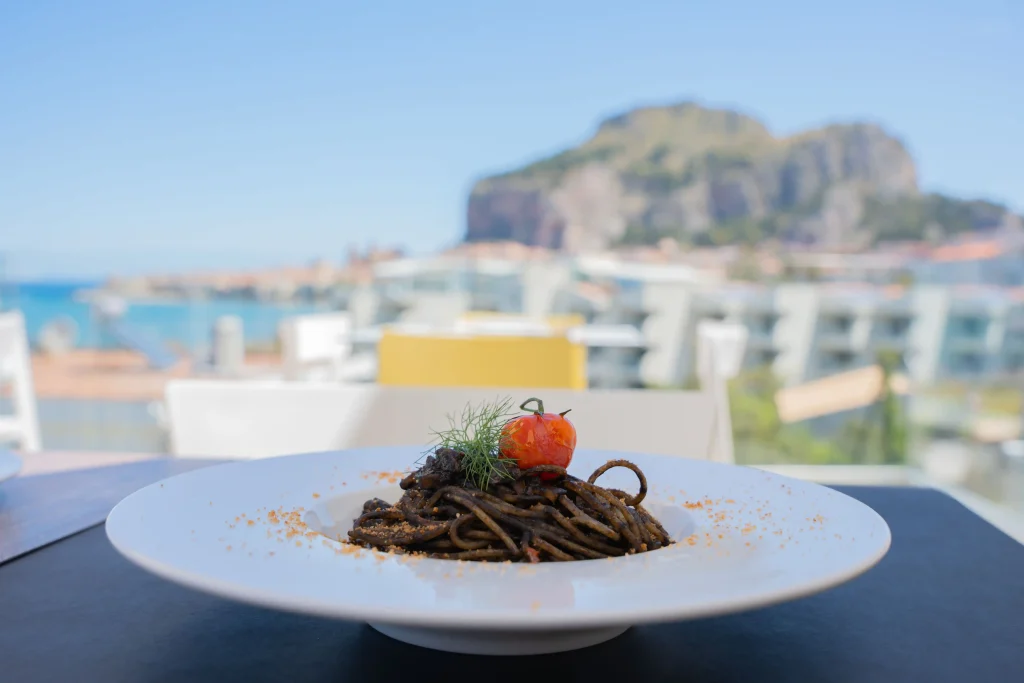
Santorini is one of Greece’s most famous destinations, attracting visitors with its breathtaking views, whitewashed buildings, and unforgettable sunsets. However, beyond its beauty, the island has become a popular destination for travelers interested in food tourism and wellness experiences.
The unique environment of Santorini plays an important role in shaping its cuisine. The island’s volcanic soil creates ideal conditions for growing distinctive local ingredients, including tomatoes, capers, herbs, and grapes. These ingredients are commonly featured in traditional dishes that reflect the island’s connection to nature.
Visitors to Santorini can experience the Mediterranean diet through fresh seafood, locally grown vegetables, traditional cheeses, and meals prepared with high-quality olive oil. Many restaurants on the island emphasize seasonal ingredients and authentic Greek flavors, allowing travelers to enjoy food that represents the region’s history and culture.
Santorini also reflects the slower pace associated with the Mediterranean lifestyle. Many visitors spend their days walking along coastal paths, exploring local villages, and enjoying meals outdoors. These experiences highlight the connection between food, movement, relaxation, and overall wellness.
For travelers looking to escape fast-paced routines, Santorini offers a reminder that healthier living can come from simple choices: eating fresh food, appreciating nature, and taking time to enjoy everyday moments.
Athens: Where Traditional Greek Cuisine Meets Modern Food Culture
While Santorini represents the peaceful island side of Greece, Athens showcases the evolution of Greek cuisine in a modern urban setting. As the country’s capital, Athens combines ancient traditions with contemporary culinary experiences, making it an exciting destination for food lovers.
The city’s food culture continues to evolve as chefs combine traditional Greek recipes with modern techniques. However, the foundation remains the same: fresh ingredients, local products, and respect for traditional flavors.
Athens is home to vibrant markets where visitors can discover fresh vegetables, seafood, herbs, cheeses, and other ingredients that define Greek cooking. Exploring these markets provides travelers with a deeper understanding of how Greek cuisine has remained connected to local agriculture and seasonal eating.
The city also highlights the growing popularity of plant-based dining. Many traditional Greek meals naturally include vegetables, beans, lentils, grains, and herbs, making Greek cuisine appealing to people interested in vegetarian and plant-focused diets.
Athens demonstrates how the Mediterranean diet continues to adapt to modern lifestyles. While food trends change around the world, Greek cuisine maintains its identity by preserving traditional ingredients while embracing new ideas.
Olive Oil: The Essential Ingredient Behind Greek Cuisine
No discussion about the Mediterranean diet is complete without highlighting olive oil. In Greece, olive oil is more than a cooking ingredient; it is an important part of the country’s history, agriculture, and culture.
Extra virgin olive oil is used in countless Greek dishes, from fresh salads and roasted vegetables to seafood recipes and traditional appetizers. Its rich flavor and nutritional value have helped make it one of the most recognized elements of Mediterranean eating.
For travelers, visiting olive farms and experiencing olive oil tastings has become a popular part of Greek food tourism. These experiences allow visitors to learn how olives are harvested, processed, and transformed into one of the most important ingredients in Greek cooking.
The global popularity of olive oil reflects the growing interest in natural and minimally processed foods. As more people search for healthier alternatives, Greek olive oil has become a symbol of quality, tradition, and mindful eating.
Fresh Seafood and Plant-Based Meals: The Balance of Greek Eating Habits
Another reason the Mediterranean diet continues to attract attention is its balanced approach to protein and plant-based foods. Greek cuisine includes a wide variety of seafood, vegetables, legumes, and grains, creating meals that are both nutritious and flavorful.
With Greece surrounded by seas, seafood has always played an important role in local diets. Fresh fish, grilled octopus, shrimp, and other seafood dishes are commonly prepared with simple ingredients such as lemon, herbs, and olive oil. These cooking methods allow the natural flavors of the food to shine.
At the same time, Greek cuisine has a strong tradition of plant-based meals. Dishes made with beans, vegetables, lentils, and grains have been part of Greek culture for centuries. Today, these traditional meals connect with the growing global interest in sustainable and plant-based eating.
Travelers visiting Greece often discover that healthy eating does not require complicated recipes. The Mediterranean approach shows that simple ingredients prepared with care can create satisfying and nourishing meals.
Why Travelers Are Choosing Greece for Wellness and Food Tourism
The rise of wellness travel has changed how people plan their vacations. Many travelers now seek destinations where they can improve their health, reduce stress, and experience meaningful cultural connections.
Greece has become a leading destination for this type of travel because its lifestyle naturally supports wellness. Fresh food, outdoor activities, social dining, and a slower pace of living are all central parts of the Greek experience.
Cooking classes, local food tours, olive oil tastings, and farm-to-table dining experiences allow visitors to become more connected with Greek traditions. Instead of simply eating local food, travelers can understand the history and values behind it.
The Mediterranean diet has also influenced hotels and resorts throughout Greece, with many offering wellness programs focused on nutrition, relaxation, and authentic Greek cuisine. These experiences attract visitors who want to bring healthier habits home after their vacation.
Conclusion: Why the Mediterranean Diet Will Continue to Inspire Travelers
The Mediterranean diet has become one of the world’s most influential food trends because it represents more than healthy eating. It reflects a complete lifestyle centered around fresh ingredients, meaningful connections, and balance.
Greece, especially destinations like Santorini and Athens, continues to inspire travelers who want to experience this lifestyle firsthand. Through its olive oil traditions, fresh seafood, plant-based dishes, and welcoming dining culture, Greece demonstrates how food can support both physical health and personal wellbeing.
As more people search for sustainable and enjoyable ways to live healthier lives, the Mediterranean diet will continue to influence global food trends. Greece’s timeless approach to cooking proves that wellness does not always require complicated changes. Sometimes, it begins with simple ingredients, shared meals, and a deeper appreciation for the food we eat.
Leave a Reply