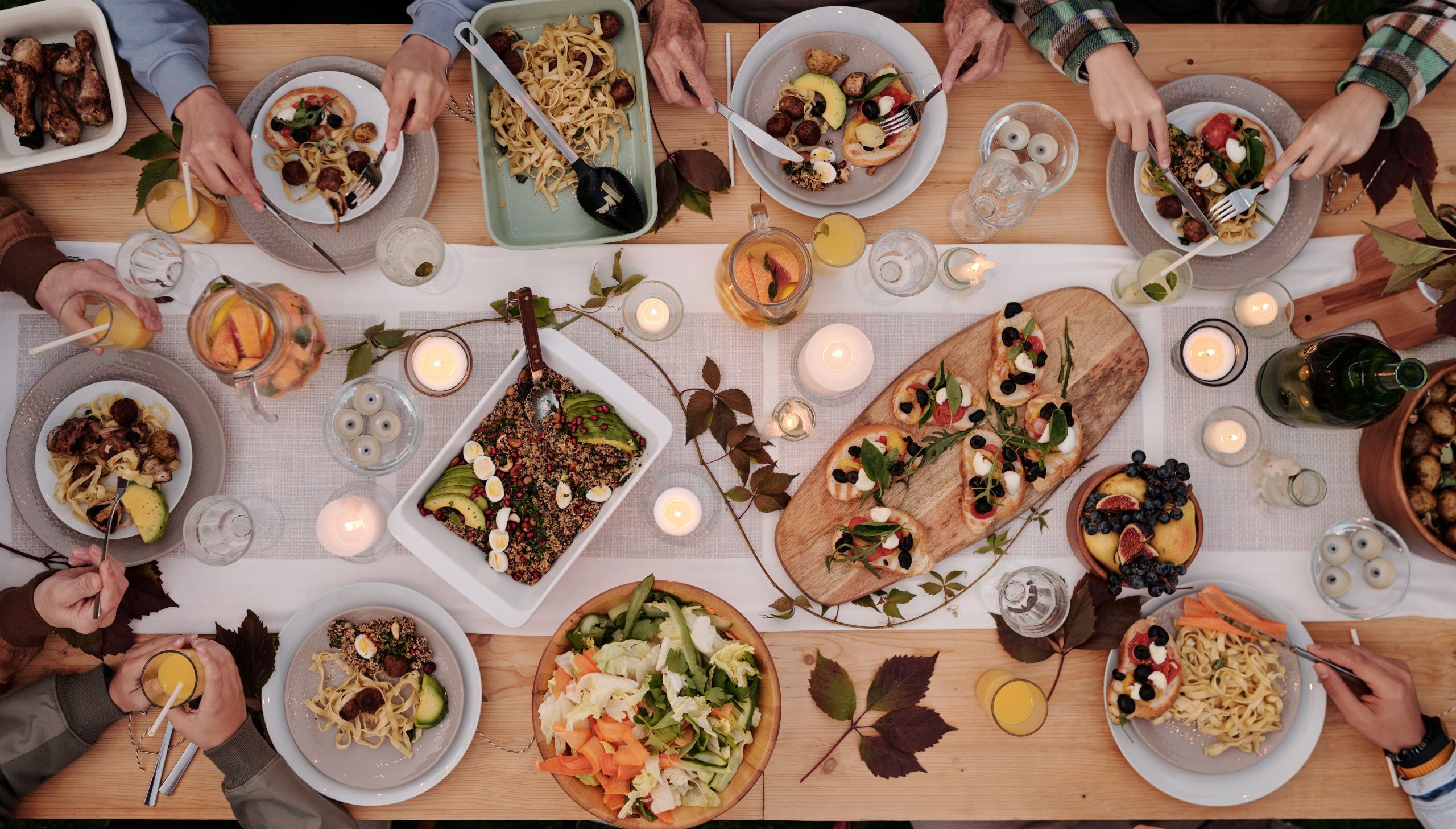
Entertainment used to begin when the lights dimmed, the artist walked on stage, or the movie started playing. Today, the experience often begins long before the main event. Fans are arriving early, planning themed meals, sharing specialty drinks, and seeking food experiences designed to complement the entertainment itself. As a result, food is becoming an increasingly important part of how people experience concerts, movies, festivals, sporting events, and cultural gatherings.
This shift reflects a larger change in consumer behavior. People are no longer satisfied with simply attending an event. They want a complete experience—one that engages multiple senses and creates lasting memories. Food has become one of the easiest and most effective ways to enhance those moments.
Concert culture provides one of the clearest examples. Major tours now inspire themed menus, specialty cocktails, pop-up cafés, and limited-edition food collaborations. Fans often coordinate their outfits, meals, and social plans around an event, turning a few hours of entertainment into an all-day experience.
Artists such as Billie Eilish, The Weeknd, and Dua Lipa have inspired fan-driven experiences where dining, fashion, and social activities become extensions of the event itself.
One reason this trend is growing is the rise of the experience economy. Consumers increasingly value memorable experiences over material possessions. A themed dinner before a concert or a curated food experience at a festival creates stories that people can share long after the event ends.
Social media has accelerated this phenomenon significantly. A visually appealing drink, creative dessert, or artist-inspired menu can generate almost as much online engagement as the event itself. Food has become part of the content people create and share.
Restaurants and venues have recognized this opportunity. Many now design menus specifically around major cultural events, creating limited-time offerings that encourage fans to participate before or after attending. These experiences help businesses connect with existing cultural conversations while attracting enthusiastic audiences.
Movie theaters are also evolving. Traditional concessions are increasingly being supplemented with premium dining options, themed menus, and immersive experiences designed to transform a movie night into something more memorable.
Festivals have perhaps embraced this shift most completely. Food vendors are often as anticipated as performers, with attendees seeking out unique culinary experiences alongside music and entertainment. In some cases, certain dishes become social-media attractions in their own right.
Another reason food plays such a powerful role is emotional connection. Meals naturally bring people together. Sharing food before a concert, sporting event, or film creates a social ritual that strengthens the overall experience. The event becomes about connection as much as entertainment.
Themed dining experiences have become especially popular because they extend storytelling beyond the stage or screen. Whether inspired by a musical artist, television series, or cultural trend, these experiences allow audiences to feel more immersed in the world they are celebrating.
Businesses are increasingly collaborating across industries to capitalize on this demand. Entertainment brands, restaurants, beverage companies, and hospitality groups are finding new ways to create integrated experiences that blend food and culture.
This trend also reflects changing consumer expectations. Modern audiences often view events as opportunities to create memories rather than simply consume content. Every part of the experience—from arrival to departure—matters.
Younger generations, in particular, are driving this movement. Many prioritize experiences that feel shareable, interactive, and personalized. Food naturally fits into this framework because it combines visual appeal, social interaction, and sensory engagement.
The growth of destination entertainment has reinforced the trend as well. People frequently travel for concerts, festivals, and sporting events, making dining an important part of the overall journey. Local restaurants, specialty cafés, and themed pop-ups become integral components of the experience.
Technology has also contributed. Reservation platforms, social media recommendations, and event-focused apps make it easier than ever for attendees to discover complementary dining experiences. Food is increasingly being planned alongside the entertainment itself.
As competition for consumer attention grows, venues and organizers are looking for ways to differentiate their offerings. Enhanced food experiences provide a valuable opportunity to increase engagement while creating additional revenue streams.
What is particularly interesting about this shift is that food is no longer viewed as a supporting feature. In many cases, it becomes part of the main attraction. People discuss what they ate, where they went, and how the experience felt just as much as they discuss the event they attended.
Ultimately, the rise of themed dining and event-focused food culture reflects a broader evolution in entertainment. Audiences are seeking immersion rather than observation. They want experiences that begin before the performance and continue afterward. Food helps bridge those moments, transforming entertainment into something larger, richer, and more memorable.
In the years ahead, the connection between food and entertainment will likely continue to grow. As consumers place greater value on experiences, businesses that successfully combine culture, community, and cuisine will be well positioned to capture attention. What was once a snack during the show is becoming part of the show itself.
Leave a Reply