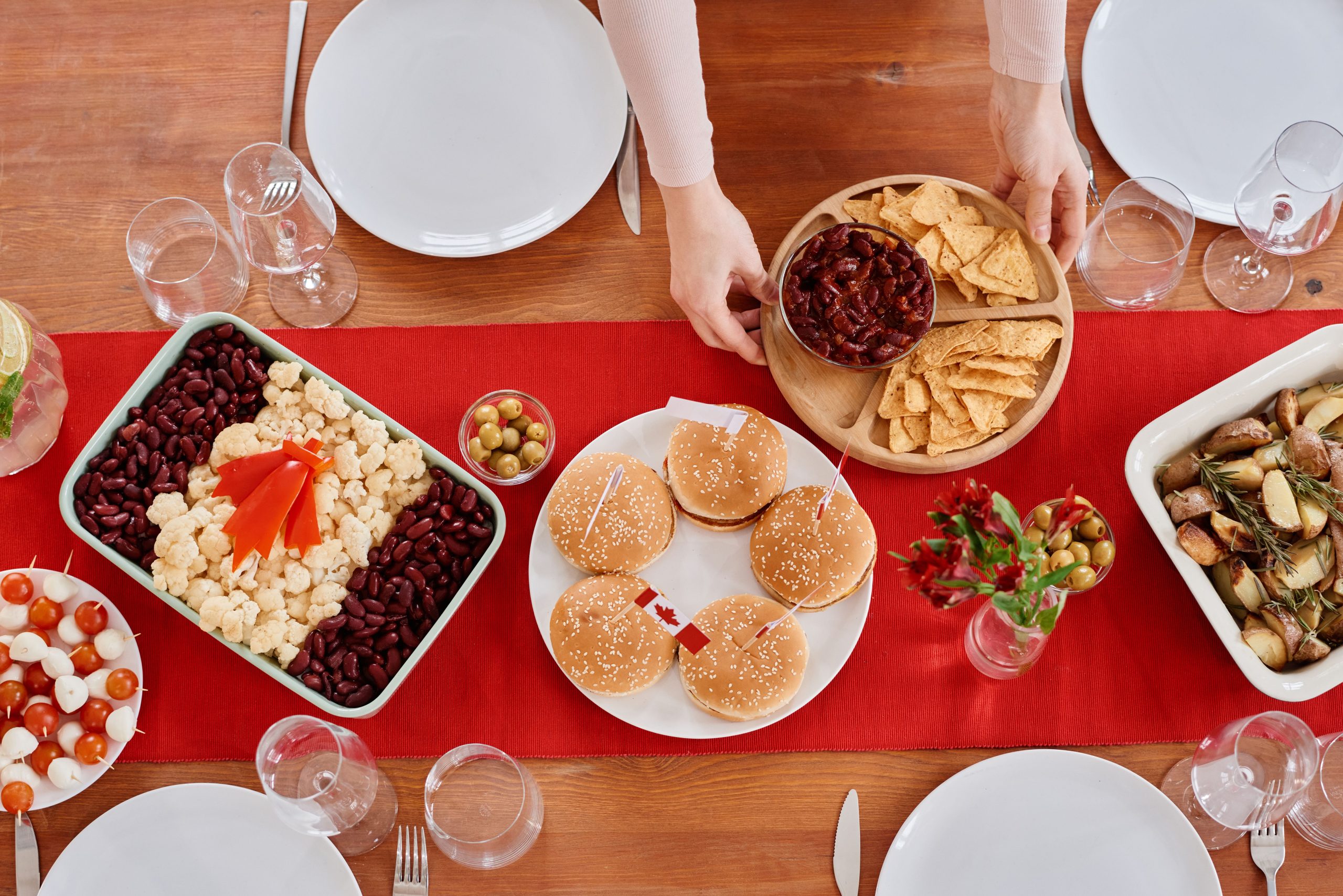
Weekend eating habits are changing in a subtle but meaningful way. Meals are no longer just about routine nourishment at the end of a long week—they are increasingly becoming small events in themselves. Friday, in particular, has evolved into a cultural moment where food signals the transition from structure to freedom.
This shift reflects a broader emotional relationship with eating. Instead of viewing meals as purely functional, more people are treating them as experiences that mark time, mood, and social connection. A simple dinner can now feel like a reset point, a reward, or a shared ritual.
One reason for this change is lifestyle pacing. As workweeks become more intense and digitally connected, people look for simple ways to separate “work mode” from “rest mode.” Food becomes one of the easiest and most immediate ways to create that boundary.
Social media has amplified this transformation. Friday dinners, casual gatherings, and home-cooked spreads are frequently shared as aesthetic moments, turning ordinary meals into visual celebrations. What used to be private routines are now part of a shared cultural rhythm online.
Public figures such as Gordon Ramsay and Chrissy Teigen often reflect this blend of food and lifestyle culture, where meals are not only about eating but also about storytelling, creativity, and shared experience.
Another factor is the rise of “intentional weekends.” Many people now plan small moments of enjoyment—special meals, comfort dishes, or casual gatherings—as part of their weekly reset. These are not large events, but they are meaningful enough to break routine patterns.
Comfort food also plays a central role. Familiar dishes often return on Fridays and weekends because they offer emotional ease after a structured week. This sense of familiarity helps create a psychological transition into rest and relaxation.
At the same time, experimentation is increasing. While weekdays often prioritize efficiency and simplicity, weekends allow for richer meals, new recipes, and shared cooking experiences. Food becomes a space for creativity rather than just convenience.
Restaurants and delivery platforms have also adapted to this shift by positioning Fridays and weekends as peak “experience moments,” encouraging group orders, shared plates, and indulgent options that feel more celebratory than everyday meals.
Ultimately, weekend food culture is becoming less about routine and more about ritual. A Friday meal is no longer just dinner—it is a signal that the week has ended and something more relaxed, enjoyable, and social is beginning.
Leave a Reply