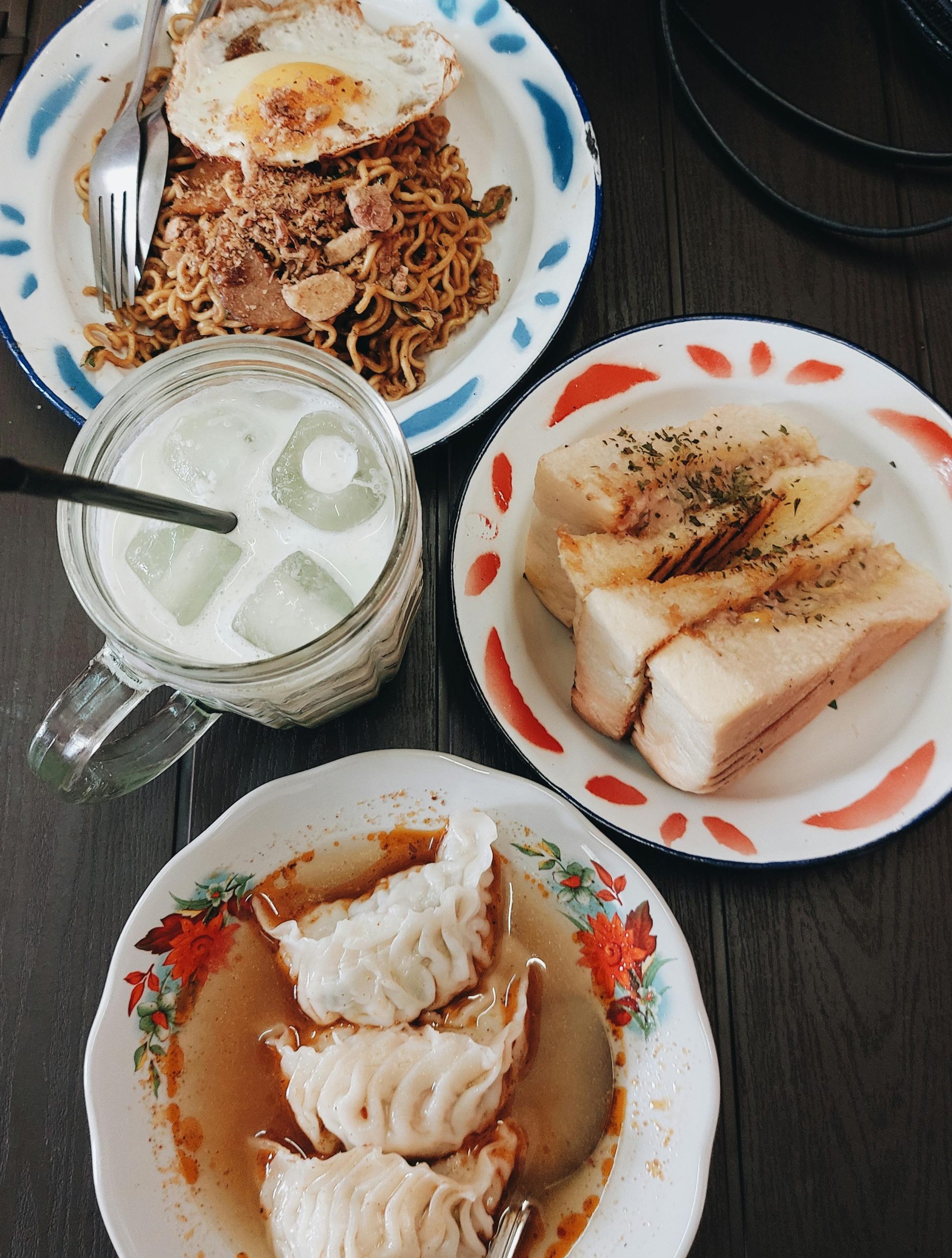
In 2026, comfort food isn’t trending because it ever left—it’s trending because it keeps returning in response to how people process stress. During intense news cycles, economic uncertainty, and constant digital updates, food becomes one of the most immediate forms of emotional regulation available.
When external environments feel unstable, people often shift toward familiar sensory experiences. Comfort foods—warm, familiar, and often nostalgic—provide predictability in moments where everything else feels unpredictable. This isn’t just about taste; it’s about psychological grounding.
Dishes like pasta, soups, rice-based meals, baked goods, and simple home-style plates reappear consistently during periods of heightened stress. They don’t require novelty or decision-making complexity, which makes them easier to engage with when cognitive load is already high.
There’s also a strong connection between comfort food and memory. Many of these meals are associated with earlier life stages—family environments, childhood routines, or periods with fewer responsibilities. In moments of uncertainty, that association becomes emotionally stabilizing, even if only temporarily.
The cycle is also influenced by media consumption. As news cycles accelerate and social feeds become more intense, people often respond by seeking counterbalance in physical experience. Food becomes one of the few accessible ways to create a sense of control that is immediate and tangible.
Interestingly, comfort food trends tend to spike not just during personal stress, but during collective stress. When large groups are exposed to the same information environment—whether it’s financial instability, political tension, or global uncertainty—shared eating behaviors often reflect that emotional backdrop.
At the same time, comfort food in 2026 is evolving. It’s no longer only heavy or indulgent. There’s a growing range of “modern comfort foods” that balance nostalgia with simplicity—lighter bowls, hybrid home-style meals, and quick-prep dishes that still deliver emotional familiarity without requiring long preparation times.
This reflects a broader shift in how people think about coping. Comfort is no longer positioned as excess or indulgence alone; it is increasingly seen as regulation. A way to stabilize mood, slow down thought patterns, and create short pauses in otherwise overstimulating environments.
Even digital culture reinforces this pattern. When stressful content spreads quickly online, it is often followed by equal waves of food content—recipes, “what I ate today” posts, and nostalgic meals. The emotional pendulum between stress and comfort becomes visible in real time across platforms.
Ultimately, “Why Comfort Food Keeps Coming Back” highlights a simple but persistent truth: when external systems feel too fast or too unpredictable, people naturally return to what feels familiar, repeatable, and grounding. In 2026, comfort food is less about indulgence—and more about emotional balance in an increasingly accelerated world.
Leave a Reply