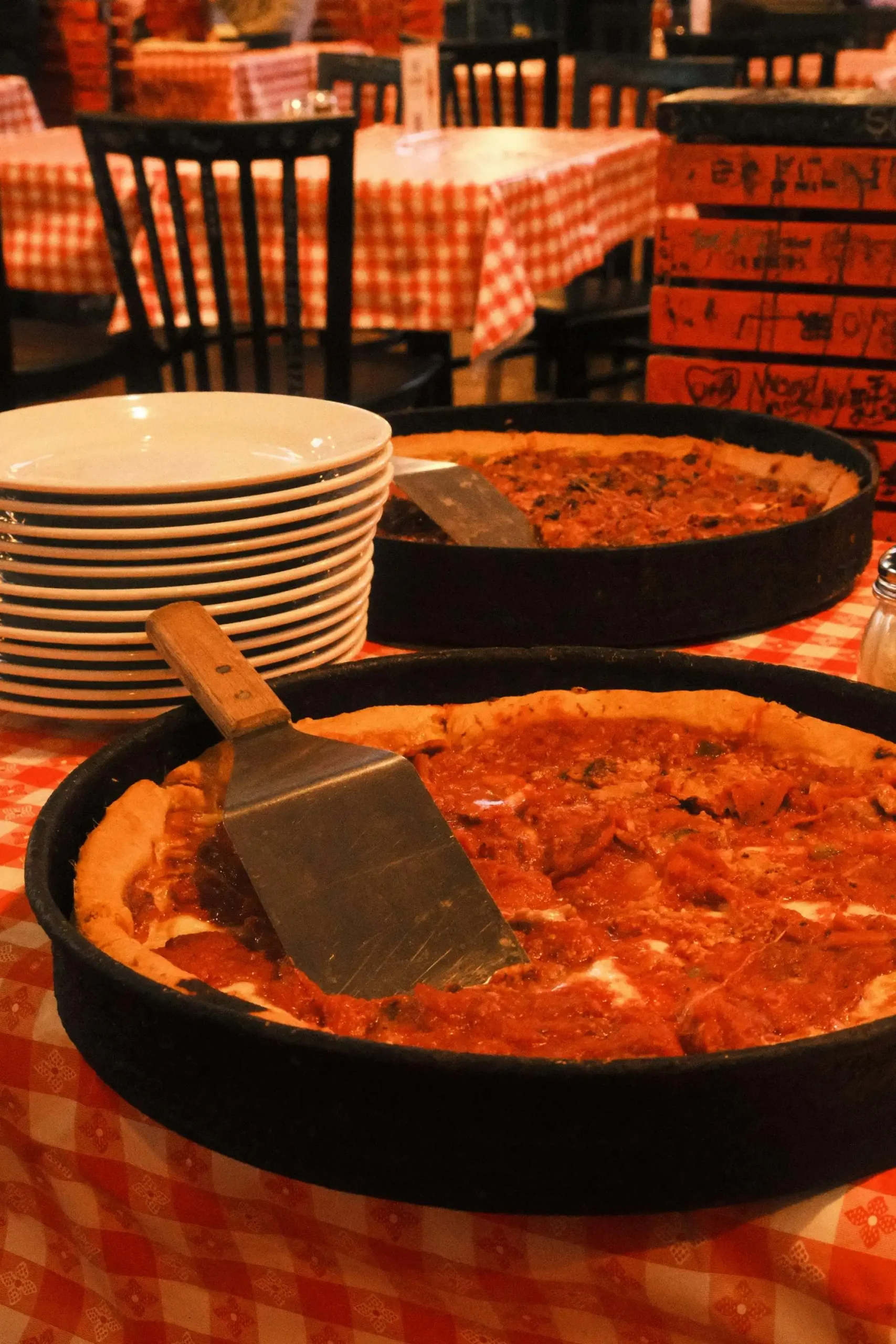
A New Era of Chicago Dining
Chicago has always been a powerhouse in the American food landscape, famous for its deep-dish pizza, hearty steakhouses, and diverse global influences. But as we move into 2025–2026, the city’s culinary identity is undergoing a noticeable transformation. The Chicago food scene is no longer defined only by its traditional comfort foods—it is evolving into a more refined, ingredient-driven, and globally inspired ecosystem.
From ultra-thin tavern-style pizza to high-end pasta programs like those at Tre Dita, and the rise of vegetable-forward dining rooted in fermentation and smoking techniques, Chicago is setting new national trends. At the same time, diners are embracing “Beastro” concepts—casual yet elevated dining spaces that prioritize value without sacrificing quality.
This guide explores the biggest Chicago food trends shaping 2025–2026 and what makes the city one of the most exciting dining destinations in the United States.
The Evolution of Chicago’s Pizza Culture
Tavern-Style Pizza Takes Center Stage
Chicago’s pizza identity has long been dominated by deep-dish, but the real growth story in 2025–2026 is the dominance of thin-crust tavern-style pizza. This iconic Chicago creation—known for its square-cut slices and crisp texture—is now evolving even further.
Restaurants across the city are pushing the boundaries of thinness, creating even lighter, crispier crusts that emphasize crunch over chew. This evolution reflects a broader consumer demand for less heavy, more snackable comfort foods that still deliver bold flavor.
Many modern pizzerias are also experimenting with:
- Extended fermentation doughs for better digestibility
- Wood-fired crisping techniques
- Premium toppings inspired by global cuisines
- Artisan cheese blends instead of traditional mozzarella-heavy profiles
The result is a pizza experience that feels familiar but elevated, refined, and more ingredient-focused than ever before.
High-End Pasta Programs Redefining Italian Dining
The Rise of Fresh, House-Made Pasta
One of the most significant shifts in Chicago’s restaurant scene is the rise of dedicated pasta programs. Instead of offering pasta as just one section of the menu, many restaurants are now building entire identities around it.
A standout example is Tre Dita, which reflects the broader movement toward elevated Italian dining experiences. These restaurants focus heavily on:
- Freshly made, daily pasta production
- Regional Italian recipes with modern interpretation
- High-quality, seasonal ingredients
- Minimalist plating that highlights texture and flavor
This shift represents a departure from heavy, cream-based Italian-American dishes toward a more refined, rustic, and technique-driven approach.
Why Pasta Is Having a Moment
Pasta is versatile, comforting, and deeply cultural. In Chicago’s evolving food landscape, it also serves as a bridge between luxury dining and accessibility. Diners are increasingly drawn to restaurants that deliver handcrafted quality without unnecessary complexity.
Vegetable-Centric Dining: Beyond the Salad Era
Fermentation, Smoking, and Fire as Core Techniques
Vegetable-forward dining is no longer about simple salads or side dishes. In 2025–2026 Chicago restaurants, vegetables are taking center stage through advanced culinary techniques like fermentation, smoking, roasting, and grilling.
Chefs are transforming ingredients like carrots, cauliflower, mushrooms, and beets into complex, layered dishes that rival traditional meat entrées in depth and satisfaction.
Key techniques shaping this trend include:
- Fermentation for acidity and umami depth
- Charcoal grilling for smokiness
- Pickling for brightness and balance
- Dehydration and rehydration for texture contrast
Why This Matters
This movement reflects changing consumer preferences toward healthier, more sustainable dining. However, it is not about restriction—it is about creativity. Vegetables are now seen as premium ingredients capable of delivering the same richness and complexity as meat-based dishes.
The “Beastro” Concept: Casual Meets Elevated Dining
What Is a Beastro?
One of the most interesting dining trends emerging in Chicago is the “Beastro” model—a hybrid between a bistro and a café. These establishments are designed to be approachable, stylish, and most importantly, value-driven.
Unlike traditional fine dining or expensive shared-plate restaurants, Beastro spots focus on:
- Affordable pricing with high-quality execution
- Casual but curated menus
- Comfort food with a modern twist
- Fast-casual service with restaurant-level presentation
Why Beastro Dining Works in Chicago
Chicago diners are increasingly seeking balance: they want quality food without the formality or high cost of traditional upscale restaurants. The Beastro model delivers exactly that, making it one of the most sustainable dining formats for the city’s current economic and cultural climate.
Steakhouse Expansions and Upscale Comfort Food
Reinventing the Classic Chicago Steakhouse
Steakhouses remain a cornerstone of Chicago dining, but even this traditional category is evolving. New steakhouse expansions are blending old-school luxury with modern culinary innovation.
Expect to see:
- Dry-aged and specialty cuts with global sourcing
- Elevated sides featuring truffle, miso, and fermented elements
- Chef-driven tasting menus alongside à la carte options
- More vegetable-forward accompaniments instead of heavy starches
Upscale Comfort Food on the Rise
Comfort food is also being redefined. Dishes like fried chicken, mac and cheese, and burgers are being elevated with:
- Premium ingredients
- Complex seasoning profiles
- Texture contrasts (crispy, creamy, crunchy combinations)
- Global flavor influences
This evolution allows diners to enjoy nostalgic dishes with a refined, modern twist.
Global Flavors Expanding Chicago’s Culinary Identity
Asian Cuisine in the Spotlight
Chicago’s food scene continues to embrace global diversity, with strong growth in Thai, Filipino, and Vietnamese cuisines. These influences are no longer niche—they are becoming mainstream parts of the city’s dining culture.
Common trends include:
- Bold spice-forward Thai dishes
- Filipino comfort foods gaining fine-dining treatment
- Vietnamese pho and banh mi reimagined in modern formats
- Fusion dishes blending Midwest ingredients with Asian techniques
Miso, Kimchi, and Fermentation Everywhere
Fermented ingredients like miso, kimchi, and soy-based sauces are appearing across menus in unexpected ways. These ingredients are being used to enhance depth and umami in everything from pasta sauces to vegetable dishes and even desserts.
Artisan Bakeries and the Small-Batch Movement
The Rise of Daily-Crafted Bakery Goods
Chicago is experiencing a surge in small-batch bakeries that focus on quality over quantity. These artisan spots specialize in:
- Laminated pastries like croissants and pain au chocolat
- Seasonal rotating menus
- Organic and locally sourced flour blends
- Long fermentation sourdough techniques
Consumers are increasingly drawn to bakeries that prioritize craftsmanship and freshness over mass production.
Trending Ingredients Shaping Chicago Menus
Crunch and Texture in Breakfast Culture
Breakfast menus in Chicago are becoming more texturally complex. Instead of smooth or soft dishes, chefs are incorporating crunch and contrast through ingredients like:
- Fried chicken in breakfast sandwiches
- Crispy chorizo and bacon
- Toasted grains and seeds
- Crunchy vegetable garnishes
Functional and Protein-Rich Foods
Health-conscious dining is also influencing menu design. Functional snacks and protein-rich meals are becoming more common, especially in fast-casual and café-style restaurants.
These include:
- High-protein grain bowls
- Fermented snack items
- Nut- and seed-based energy bites
- Balanced macro-focused meals
The Future of Chicago Dining: Where It’s All Heading
The Chicago food scene in 2025–2026 is defined by balance. On one hand, there is a deep respect for tradition—tavern-style pizza, steakhouses, and comfort food remain central. On the other, there is a strong push toward innovation, sustainability, and global influence.
Key takeaways shaping the future include:
- Simplicity with sophistication: fewer ingredients, better execution
- Global fusion becoming standard, not experimental
- Vegetables taking equal status with proteins
- Casual dining formats gaining popularity over formal dining
- Artisanal craftsmanship returning to everyday foods
Chicago is not abandoning its culinary roots—it is refining them.
Conclusion
Chicago’s 2025–2026 food scene represents a powerful evolution rather than a reinvention. The city is blending tradition with innovation, comfort with refinement, and local identity with global influence.
From ultra-thin tavern-style pizza and chef-driven pasta programs to vegetable-centric fine dining and the rise of Beastro concepts, Chicago continues to prove why it remains one of the most important food cities in the world.
For diners, this means more variety, better quality, and an ever-expanding range of culinary experiences that reflect both the city’s heritage and its future.
Leave a Reply