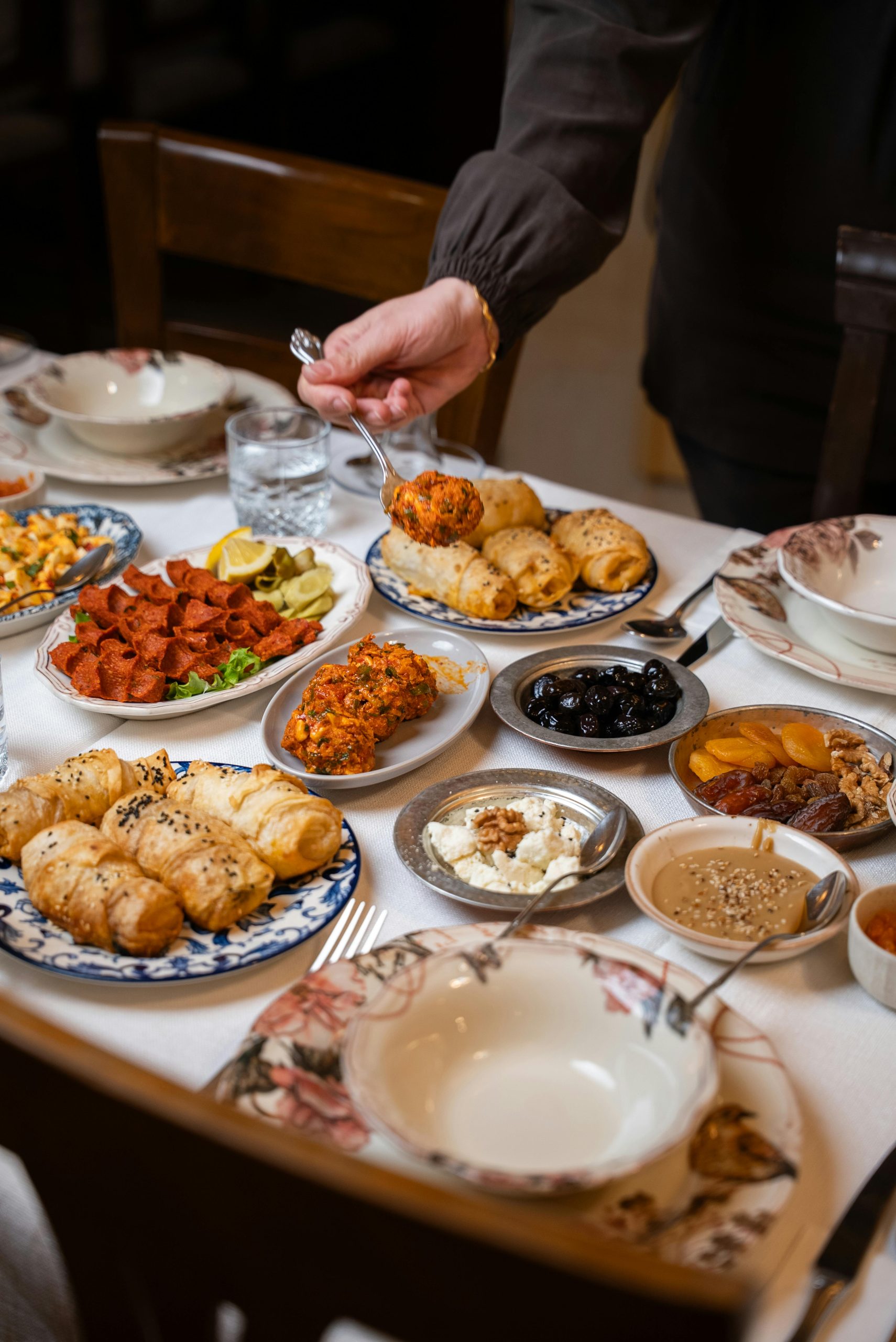
In an era dominated by delivery apps and meal kits, the experience of dining in at a restaurant continues to hold a special place in our hearts. There’s something uniquely satisfying about stepping into a space designed to delight the senses, sitting down at a table, and sharing a meal prepared with care. Dine-in experiences offer more than just food—they provide ambiance, social connection, and the joy of savoring flavors as they were meant to be enjoyed.
One of the key appeals of dining in is the freshness and quality of the food. Unlike takeout, where meals can lose temperature and texture during transport, dine-in meals are served immediately after preparation. Chefs take pride in presentation, seasoning, and timing, ensuring that each dish is at its peak. From the crispness of a perfectly cooked vegetable to the delicate balance of a sauce, every detail contributes to an elevated dining experience that is hard to replicate at home.
The atmosphere of a restaurant also enhances the overall enjoyment of a meal. Lighting, music, table settings, and decor all play a role in shaping how we perceive and enjoy food. The sensory experience extends beyond taste and smell to sight and sound, creating an environment where people can relax, connect, and enjoy the moment. Fine dining and casual eateries alike craft experiences that engage multiple senses, making eating out a richer experience than simply consuming calories.
Social connection is another reason dine-in experiences remain relevant. Sharing a meal with family, friends, or colleagues creates memories and fosters conversation. Restaurants provide a space where people can gather, celebrate milestones, and connect in ways that are difficult to replicate in a home or digital setting. The act of dining together reinforces bonds and adds meaning to the simple act of eating.
Cultural exploration is also a highlight of dining out. Restaurants give people the opportunity to try new cuisines, flavors, and culinary techniques that may be unfamiliar. From street food-inspired bistros to high-end international kitchens, diners can travel the world through taste, broadening their culinary horizons and deepening appreciation for global cultures.
Even the simple pleasure of being served and experiencing professional hospitality contributes to the appeal. Waitstaff, sommeliers, and chefs create a seamless and attentive experience, anticipating needs and ensuring that guests feel welcomed and cared for. This level of service adds a layer of enjoyment that is difficult to replicate in a home setting, turning a meal into an event rather than a routine.
Furthermore, dining in supports local economies and culinary talent. By visiting restaurants, diners contribute to the livelihoods of chefs, servers, and suppliers, fostering vibrant food communities. Independent restaurants often experiment with flavors and concepts that might not be possible in mass-produced or delivery-focused environments, creating opportunities for culinary innovation.
In addition, dine-in experiences encourage mindfulness and appreciation. Sitting down to eat without distractions allows diners to focus on taste, texture, and aroma, cultivating a greater awareness of what they consume. The ritual of eating in a restaurant—menu exploration, table conversation, and the pacing of courses—can make meals more satisfying and enjoyable than rushed takeout or convenience dining.
Technology has enhanced the dine-in experience rather than replaced it. Digital reservations, online menu previews, and interactive ordering systems streamline service while maintaining the core elements of in-person enjoyment. Some restaurants integrate augmented reality or interactive elements to make dining more immersive, creating experiences that are both innovative and grounded in the joy of sharing a meal.
Ultimately, dine-in dining remains a vital part of the culinary landscape. It is not just about food—it is about atmosphere, human connection, exploration, and the joy of a carefully prepared meal. Even as convenience and delivery options grow, the emotional and sensory rewards of dining in ensure that restaurants will continue to play a central role in how we experience food.
For anyone seeking more than just sustenance, eating out offers an opportunity to slow down, savor the moment, and celebrate the artistry of food. Whether it’s a casual lunch with friends, a celebratory dinner, or an immersive cultural experience, dine-in meals remind us why food is not just nourishment but a shared pleasure that connects people, traditions, and communities.
Leave a Reply