Monday eating isn’t about discipline — it’s about balance. After the emotional and physical looseness of the weekend, most people aren’t looking to restrict, cleanse, or “make up” for anything. They’re looking to feel steady again. Mondays carry a unique emotional weight: a return to structure, responsibility, and routine. Food becomes one of the first tools people use to ground themselves, which is why comfort foods naturally rise to the top at the start of the week.
Rather than indulgent or extreme meals, Monday comfort foods tend to be quiet, familiar, and low-pressure. They don’t demand effort or decision-making. They’re meals people know will work — for their body, their mood, and their schedule. According to TheMunchy.com, the most common Monday food choices share a clear pattern: they prioritize emotional regulation over performance nutrition. These are foods chosen not to impress, but to stabilize.
The weekend disrupts routine by design. Meal times shift, social plans take precedence, and structure loosens. That flexibility is healthy, but it leaves Monday feeling like a transition day rather than a fresh start. This is where many people misinterpret the need for grounding as a need for control. Instead of tightening rules, the body often signals for warmth, familiarity, and consistency. Comfort foods answer that call more effectively than restriction ever could.
Psychologically, Mondays are heavy with decision fatigue. After two days of spontaneous choices — what to eat, where to go, when to sleep — the brain wants fewer variables. Familiar meals reduce cognitive load. You don’t have to think about them. You already know how they’ll taste and how they’ll make you feel. That predictability is calming, and calm is exactly what many people are subconsciously seeking on Mondays.
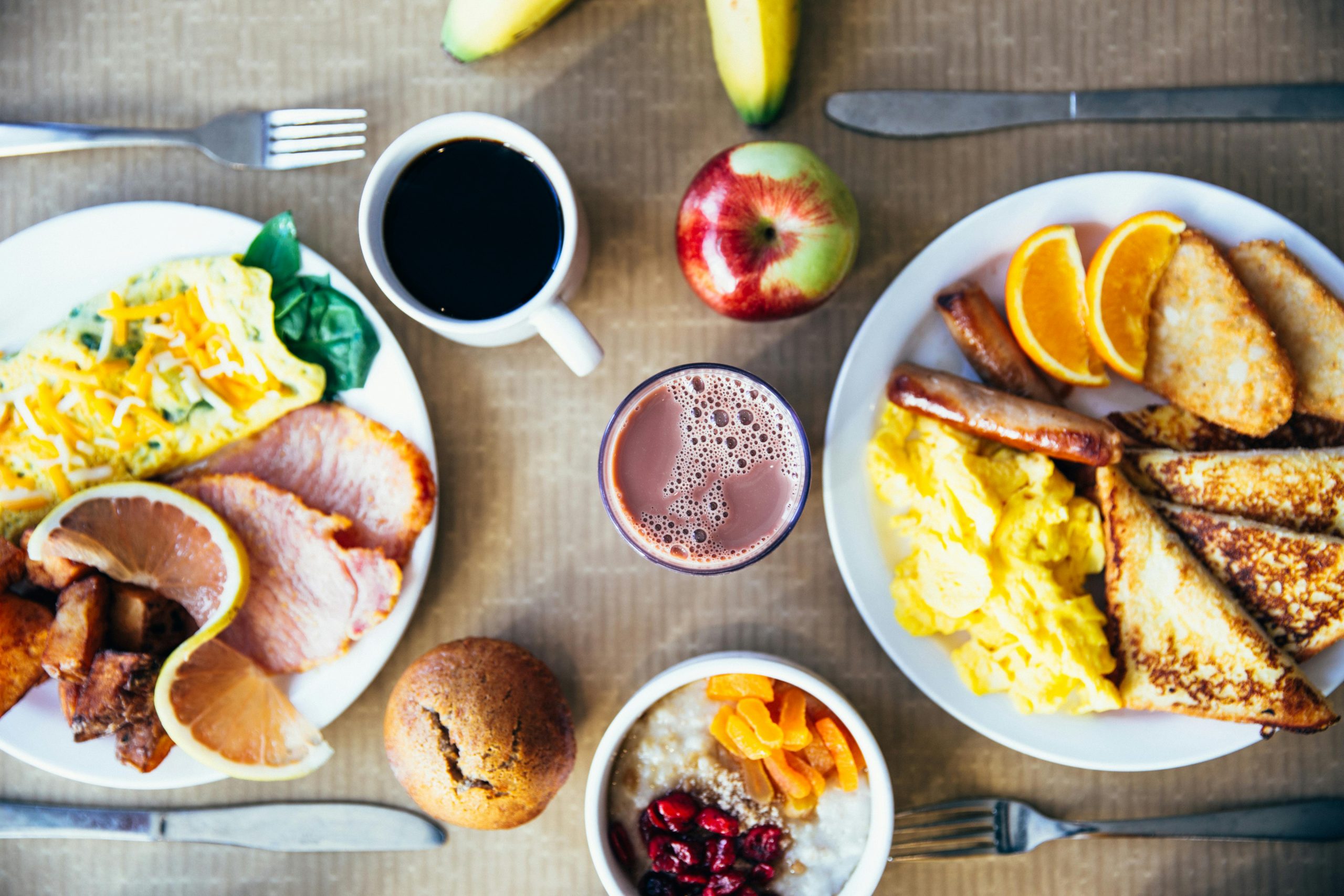
This is why foods like soup, pasta, rice bowls, eggs, toast, oatmeal, and simple sandwiches dominate Monday plates. These meals aren’t flashy. They don’t require elaborate prep or a trip to multiple grocery stores. They’re forgiving if portions aren’t exact. They’re easy to reheat. They fit into busy schedules without demanding attention. Comfort, in this sense, is functional.
There’s also a physical reason comfort foods feel right on Mondays. Warm, cooked foods are easier on digestion after irregular eating patterns. Soft textures and balanced carbohydrates help stabilize blood sugar, which supports energy and focus. Savory flavors tend to satisfy more deeply than sweet ones, reducing the urge to snack mindlessly later in the day. Comfort foods quietly do the work people expect discipline to do.
One of the biggest misconceptions around comfort food is that it equals indulgence. Monday comfort food, however, rarely looks like excess. It’s not about massive portions or rich, over-the-top meals. It’s about adequacy. Enough warmth. Enough fullness. Enough nourishment to move through the day without friction. These foods sit in the middle ground — not restrictive, not indulgent — and that’s exactly why they work.
Mondays also tend to bring a desire to feel “put together” internally. Not polished or aspirational, but steady. Comfort foods help restore a sense of rhythm. Eating something familiar can feel like resetting a metronome — it brings the body back into tempo after the weekend’s syncopation. This internal order makes the rest of the week feel more manageable.
Culturally, there’s been a noticeable shift away from the idea that Mondays are for punishment. Detox language, rigid resets, and extreme clean eating are losing appeal, especially among women who are increasingly prioritizing sustainability over control. Comfort food content performs well online because it reflects reality. People aren’t craving moral superiority on Mondays — they’re craving meals that meet them where they are.
Another reason comfort foods dominate Mondays is repetition. Many people eat the same or similar meals every Monday without consciously planning to. This repetition isn’t laziness; it’s strategy. Knowing what you’ll eat removes friction from the day. When the week is just beginning and mental energy is limited, predictability is a gift.
Comfort foods also reduce the likelihood of overcorrection later in the week. When people start Mondays with restriction, it often leads to increased cravings, fatigue, or a swing back toward excess. Balanced comfort acts as a stabilizer. It prevents the cycle of extremes by keeping the body regulated from the start.
There’s also an emotional layer tied to nostalgia. Foods like toast, soup, eggs, or oatmeal often connect to early memories of care — being fed when sick, eating simple meals at home, or routines from childhood. On Mondays, when stress quietly returns, these foods act as emotional anchors. They don’t just feed the body; they soothe the nervous system.
Importantly, comfort food on Mondays isn’t about “earning” anything. It’s not a reward or a cheat. It’s a form of self-maintenance. It acknowledges that real life includes fluctuations and that balance isn’t achieved through punishment. This reframing is subtle, but it changes the relationship people have with food over time.
Ritual plays a role here as well. Monday soup. Monday pasta. Monday rice bowls. These rituals create a sense of continuity. They mark the transition from weekend to weekday without drama. When food becomes ritual rather than reaction, it loses its emotional charge and becomes supportive instead of stressful.
What Monday comfort food is not is just as important. It’s not about starting over. It’s not about fixing anything. It’s not about proving discipline or undoing joy. Those narratives add pressure to a day that already carries enough of it.
Instead, Monday comfort food is about continuity. It keeps the thread of routine intact without tightening it too much. It allows people to move forward without dragging guilt from the weekend behind them.
This approach to Monday eating reflects a broader cultural shift. Burnout culture is losing its grip. People are choosing gentler transitions, realistic expectations, and habits that fit into real schedules. Comfort food becomes a symbol of that change — not indulgence, but intelligence.
Over time, people who adopt this mindset stop “starting over” every week. There’s no dramatic reset because nothing was broken. Mondays become less about recovery and more about recalibration. That’s where balance actually lives.
In the end, comfort foods on Mondays aren’t a failure of discipline. They’re a recognition of how humans actually function. Progress doesn’t require discomfort. Consistency doesn’t require punishment. Sometimes, the smartest move is the simplest one: a warm meal, a familiar flavor, and a gentle start to the week.
Leave a Reply