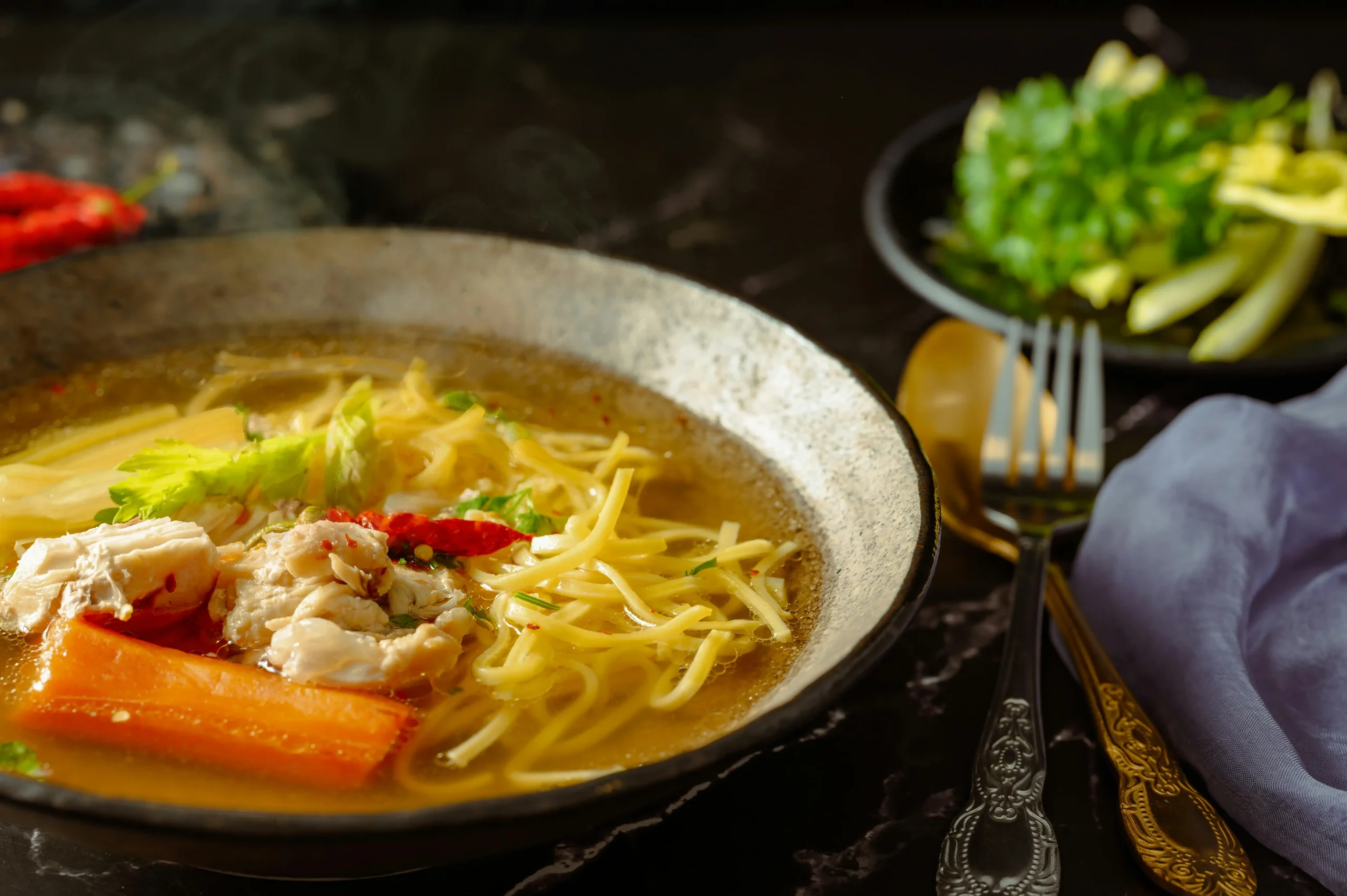
Soup season isn’t just about comfort — it’s about nourishment. As January marks National Soup Month, dietitians are weighing in on a popular debate: Which is healthier — chicken soup or tomato soup? Both are staples in kitchens around the world, but their nutritional profiles differ significantly depending on ingredients and preparation. Here’s what experts say about which one might be the better choice for your health. (healthandme.com)
A Nutritional Overview: Chicken Soup vs Tomato Soup
Before choosing a “healthier” soup, it’s important to understand what typically goes into each and how those ingredients affect your nutrition.
Chicken Soup: Protein & Comfort Food Benefits
Chicken soup — particularly classic chicken noodle — brings more than warmth:
- Protein: A typical 1‑cup serving offers about 6–10 grams of protein, which helps build and repair tissues and keeps you feeling full longer. (aol.com)
- Immune‑supporting nutrients: Homemade versions with lean chicken and vegetables can provide B vitamins and zinc, essential for immune function. (healthandme.com)
- Symptom relief: There’s some evidence that chicken soup may help ease cold symptoms, such as nasal congestion and inflammation. (healthandme.com)
However, not all chicken soups are equally healthy. Store‑bought or restaurant soups often contain high sodium — sometimes more than 1500 mg per cup — which can negatively affect blood pressure if consumed regularly. (aol.com)
Best choice tips for chicken soup:
- Opt for homemade or low‑sodium broth.
- Include plenty of vegetables and lean chicken.
- Avoid cream‑based versions to limit saturated fats. (aol.com)
Tomato Soup: Antioxidants & Heart‑Healthy Compounds
Tomato soup offers a very different set of benefits:
- Antioxidants: Tomatoes are rich in lycopene, a powerful antioxidant linked to reduced inflammation and potential heart health benefits. (healthline.com)
- Vitamins: A cup of tomato soup is a source of vitamin C and vitamin A, which support immune health, eye health, and overall wellness. (healthandme.com)
- Lower calories: With typically 70–150 calories per cup, tomato soup can be a lighter option than some cream‑based counterparts. (aol.com)
That said, tomato soup is not perfect. Like chicken soup, many commercially prepared versions are high in sodium, which may counteract some cardiovascular benefits by contributing to high blood pressure. (verywellhealth.com)
Best choice tips for tomato soup:
- Choose low‑sodium or no‑salt‑added versions.
- Avoid high‑fat cream‑based tomato soups.
- Pair with a protein‑rich side if you need more satiety. (aol.com)
Dietitians Weigh In
Registered dietitians Vandana Sheth and Michelle Routhenstein offer balanced perspectives on these soups:
- Tomato soup is often seen as healthier due to its antioxidant content and vitamin load. Lycopene, in particular, has been studied for potential roles in reducing inflammation, promoting heart health, and even possibly reducing prostate cancer risk. (aol.com)
- Chicken soup may be more filling and protein‑rich, making it a better choice if you’re looking for something more nutrient‑dense and satisfying or are recovering from illness. (healthandme.com)
- Both experts stress that preparation matters most: soups made at home with fresh ingredients and limited sodium are generally healthier than highly processed canned versions. (aol.com)
Ultimately, the “healthier” soup depends on your personal nutrition goals:
- Want immune support & heart health? Tomato soup may have the edge. (aol.com)
- Need protein and comfort during sickness? Chicken soup could be more beneficial. (healthandme.com)
Health Benefits Highlighted
Here’s a quick breakdown of what each soup brings to the table:
Chicken Soup
- Good source of protein
- Rich in nutrients like B vitamins and zinc
- May ease cold symptoms
- More filling & satisfying (healthandme.com)
Tomato Soup
- High in lycopene and antioxidants
- Rich in vitamins C and A
- Supports heart health
- Lower in calories (often) (aol.com)
Note: Both soups can be high in sodium if store‑bought, and many canned versions include added sugar or preservatives. Reading labels and choosing minimally processed options can make a big difference. (aol.com)
How to Make Your Soup Healthier
Regardless of your choice, here are some chef‑approved tips for maximizing the health benefits of your soup:
- Go homemade – Control salt, sugar, and fat by making your own broth and using fresh ingredients. (aol.com)
- Add vegetables – More veggies mean more fiber, vitamins, and minerals. (news.abplive.com)
- Limit processed ingredients – Canned soups often hide high sodium and additives. (thetimes.com)
- Pair with protein or fiber sides – Whole‑grain toast or a lean protein salad can balance out a lighter tomato soup. (aol.com)
Final Verdict
There’s no one‑size‑fits‑all answer when it comes to choosing between chicken soup and tomato soup. Each offers unique health benefits:
- Tomato soup shines with antioxidants and vitamins that support immunity and heart health. (healthline.com)
- Chicken soup wins for protein and satisfying hunger, especially when you need energy or are under the weather. (healthandme.com)
The healthiest choice comes down to ingredients and preparation — homemade, low‑sodium, and nutrient‑rich versions of either soup are great additions to a balanced diet. (aol.com)
Leave a Reply