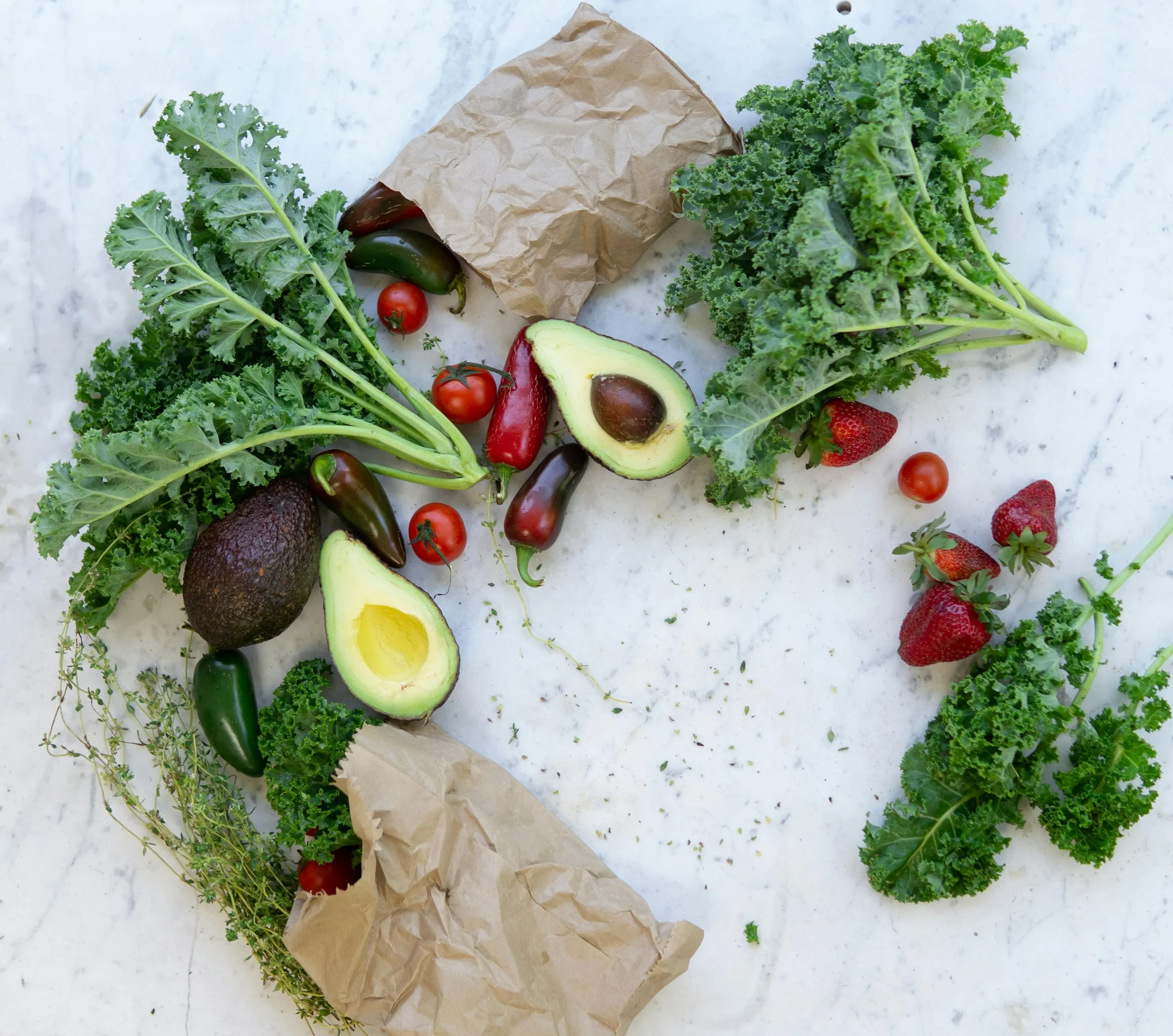
Food has always been more than just sustenance—it’s culture, memory, creativity, and even a form of personal expression. Every bite tells a story, from the humble loaf of bread rising in a home kitchen to the most avant-garde culinary experiments crafted in Michelin-starred restaurants. Today’s food world is dynamic, driven not just by flavors and traditions, but also by trends, innovations, and the way social media has transformed what and how we eat. A modern food blog must capture this energy—celebrating recipes, uncovering the origins of dishes, diving into viral food trends, and inspiring readers to create meals that bring joy to their tables. In a time where information is instant and inspiration is just a scroll away, the recipes we follow and the food trends we chase are shaping our everyday lives in remarkable ways.
Cooking at home has enjoyed a renaissance over the past decade, especially with the rise of food delivery apps and cooking channels making ingredients and techniques more accessible. But it’s not just about convenience; it’s about connection. When people cook, they connect to heritage, experiment with identity, and create something tangible in a digital-first world. Recipes have become storytelling devices. Consider how a simple pasta recipe can take you on a journey—from the wheat fields of Italy to the bustling family kitchens where grandmothers roll dough by hand. The beauty of blogging about food is the ability to bring that sensory richness to life: the sound of garlic sizzling in olive oil, the burst of citrus as you zest a lemon, the velvety drizzle of chocolate ganache. Every description makes the reader hungry not only for the dish, but for the experience itself.
Food trends are particularly fascinating because they reflect our values and desires at a given moment in history. In recent years, there’s been a surge in plant-based cuisine—not just as a dietary choice, but as a statement about sustainability and health. Social media platforms like TikTok and Instagram have helped elevate recipes like baked feta pasta, whipped coffee, and cloud bread from niche experiments to global sensations overnight. These viral food trends show that people crave novelty just as much as comfort. One day, it’s all about a traditional sourdough loaf; the next, it’s about neon-colored, galaxy-inspired desserts. As a food blogger, staying attuned to these trends is as important as honoring timeless culinary classics, because readers love a blend of the familiar and the new.
Another major shift in the food landscape is the focus on wellness-driven eating. Recipes are no longer judged purely on flavor; nutritional value has become equally important. Ingredients like quinoa, chia seeds, and avocado have moved from niche health food stores into mainstream grocery aisles. Food bloggers have embraced this by creating meals that balance indulgence with nutrition—think vegan chocolate mousse made from avocado and cacao powder, or protein-packed smoothie bowls topped with vibrant fruits and granola. There’s a growing awareness that food is both medicine and pleasure, and modern recipes are reflecting that duality beautifully.
Of course, traditional recipes are still the heart of many food blogs. Comfort food remains timeless because it’s tied to nostalgia. A bowl of chicken soup isn’t just about chicken and broth; it’s about being cared for on a rainy day. A freshly baked pie isn’t just a dessert; it’s a reminder of holidays and family gatherings. The magic of a food blog lies in weaving personal anecdotes into the cooking process, making the dish feel alive and relatable. You can share how your grandmother’s handwritten recipe card still carries a faint smell of cinnamon, or how the first time you tried to make lasagna, you forgot to boil the noodles and ended up with a culinary disaster you still laugh about today. These details make recipes more than instructions—they make them memories waiting to be shared.
Photography is another key ingredient in a successful food blog. In the age of Instagram, presentation is everything. A well-composed photo of a rustic loaf on a wooden cutting board or a vibrant salad in a ceramic bowl can inspire someone to try the recipe instantly. Lighting, texture, and color play a huge role in making a dish appealing to the eyes, which often convinces the taste buds to follow. Readers want to see the crunch in a golden croissant or the steam rising from a freshly poured bowl of ramen. Food bloggers who invest in their photography skills often find their recipes gaining traction faster because people eat with their eyes first.
The accessibility of global cuisines has also enriched food blogging. Ingredients that were once rare in Western kitchens—like gochujang, tahini, or yuzu—are now widely available, opening up endless creative possibilities. A blogger can experiment with fusion recipes, blending flavors from different cultures to create something entirely new. Imagine a sushi burrito with Thai peanut sauce, or a Mexican-inspired pizza with mole sauce instead of tomato. This culinary cross-pollination not only excites adventurous eaters but also promotes cultural appreciation when done respectfully and authentically. The rise of global food markets and online ingredient delivery has made it easier than ever to explore these flavors from the comfort of home.
In the world of food trends, visual drama has become a powerful force. From rainbow-colored bagels to molten chocolate lava cakes, dishes that have a “wow” factor tend to go viral. Part of the fun of blogging about food is experimenting with these visually captivating recipes and finding ways to make them accessible to home cooks. It’s one thing to marvel at a professionally plated dish in a restaurant; it’s another to know you can recreate it yourself with just a bit of guidance. That sense of empowerment is what keeps readers coming back to food blogs—they want to believe they can pull off something spectacular in their own kitchens.
Seasonality also plays a huge role in recipe development. Food blogs often revolve around the calendar: cozy soups and stews in the winter, fresh salads and smoothies in the summer, pumpkin-spiced everything in the fall. Using seasonal ingredients not only ensures better flavor but also aligns with sustainability practices, as it reduces the need for long-distance food transport. Farmers’ markets have become a source of inspiration for many bloggers, offering the freshest produce and introducing readers to ingredients they might never have encountered in a supermarket. Writing about these discoveries can spark curiosity and encourage readers to experiment with new flavors.
Sustainability in cooking has become more than just a buzzword; it’s a responsibility. Many food blogs now focus on reducing waste by offering tips for using leftovers creatively or incorporating food scraps into new dishes. Carrot tops can become pesto, overripe bananas can turn into bread, and stale bread can be reborn as croutons or bread pudding. By promoting mindful cooking, bloggers can inspire readers to value their food more and minimize their environmental impact. It’s a trend that blends practicality with creativity, which is exactly the kind of content that resonates in today’s conscious consumer market.
But even with all the trends, gadgets, and health-conscious recipes, there’s still something to be said for the simple joy of cooking for others. At its core, food is about sharing—sharing a table, sharing stories, sharing a moment in time. A food blog that captures this spirit will always find an audience. Whether it’s a multi-course gourmet feast or a humble grilled cheese, what matters is the love and care put into it. When readers feel that passion radiating through your words and images, they don’t just follow your recipes—they invite you into their kitchens, and by extension, their lives.
The digital age has also made it easier for food bloggers to connect directly with their audiences. Comments, social media messages, and live cooking demonstrations foster a sense of community. Readers can share their own variations of recipes, ask for substitutions, or suggest new ideas. This two-way interaction transforms a blog from a static recipe archive into a living, breathing culinary space where creativity thrives. By listening to their audience, food bloggers can tailor content to reflect what readers truly want, whether that’s more budget-friendly meals, family-friendly dishes, or exotic ingredients.
The art of recipe writing has evolved as well. Modern recipes tend to be more concise and approachable, often including tips, substitutions, and visual aids to help even novice cooks feel confident. Instead of rigid, overly formal instructions, many bloggers adopt a conversational tone that feels like a friend guiding you through the cooking process. This approachability is part of what has made food blogs so successful; they break down the barriers between professional chef and home cook, making culinary creativity accessible to all.
Food trends will continue to evolve—what’s popular today may be passé tomorrow. But the essence of food blogging remains the same: it’s about passion, creativity, and connection. Whether it’s through exploring the next viral TikTok recipe, diving into the deep history of a traditional dish, or crafting your own culinary innovations, the joy of food is infinite. As readers scroll through a well-crafted food blog, they should feel inspired to roll up their sleeves, gather their ingredients, and create something delicious. And in that moment, the blog becomes more than just words and images on a screen—it becomes part of the reader’s life, part of the meal, part of the story they’ll tell someday about the time they discovered a recipe that became a new family favorite.
Food will always be one of the most universal experiences we share. It transcends borders, languages, and backgrounds, uniting us in the simple yet profound act of eating. Whether you’re chasing the thrill of the latest food trend, perfecting a classic recipe, or just experimenting in the kitchen with whatever’s in your pantry, food blogging offers an endless buffet of possibilities. And the beauty is, there’s always room for one more dish, one more recipe, one more story to tell. Because in the end, a good food blog isn’t just about feeding the body—it’s about feeding the soul.
Leave a Reply