Food has always been a fundamental part of human life, but it is so much more than mere sustenance. It is culture, tradition, creativity, and even a form of expression. In today’s digital era, food blogs have become the ultimate platform for discovering new flavors, learning techniques, and engaging with a global community of passionate cooks. Each post, whether it’s a step-by-step recipe or a reflection on a culinary trend, serves as a window into the world of taste, smell, and the joy of preparing and sharing food. The rise of food blogs has transformed cooking from a private, everyday activity into a communal and interactive experience, connecting readers across continents while inspiring them to experiment in their own kitchens.
One of the defining characteristics of modern food blogs is their storytelling ability. Recipes are no longer dry lists of ingredients and steps; they are narratives that capture the essence of a dish, its history, and the emotions tied to it. A simple dish like roasted chicken can become a story about family gatherings, Sunday traditions, or a chef’s journey toward mastering the perfect roast. Food bloggers excel at painting a sensory picture—describing the golden-brown skin crackling in the oven, the aroma of herbs wafting through the kitchen, or the satisfaction of carving the meat to reveal its juicy interior. This immersive style makes readers feel connected, encouraging them not only to recreate the dish but to engage fully in the experience.
Food trends are another fascinating aspect of modern culinary culture, often amplified by social media platforms like TikTok, Instagram, and YouTube. Viral recipes, from whipped coffee to baked feta pasta, capture attention because they combine visual appeal, accessibility, and the thrill of novelty. These trends spread rapidly, influencing what home cooks try and inspiring food bloggers to create content that is both timely and informative. Beyond the visual impact, trends often reflect broader societal values, such as the growing emphasis on plant-based diets, health-conscious eating, and sustainability. Bloggers who monitor these trends can offer readers creative, approachable ways to incorporate them into everyday meals.
Health and wellness have become central to contemporary cooking. Modern readers are not only interested in flavor but also in nutrition, longevity, and overall well-being. This has led to a surge in recipes featuring whole grains, alternative proteins, superfoods, and plant-based ingredients. Bloggers create inventive dishes that strike a balance between taste and health, such as vegan desserts, nutrient-rich smoothies, and hearty salads that satisfy both the palate and the body. The goal is to demonstrate that food can be both indulgent and nourishing, proving that healthy eating does not have to come at the expense of flavor or creativity.
Global cuisine plays a vital role in food blogging, expanding culinary horizons and introducing readers to ingredients and techniques they might not encounter otherwise. International flavors, such as Korean gochujang, Japanese miso, Middle Eastern za’atar, and Indian turmeric, have become more accessible thanks to online ingredient markets and grocery delivery services. Bloggers provide not just recipes but also cultural context, sharing the history, significance, and variations of these ingredients. This encourages readers to experiment with fusion dishes or explore authentic preparations, fostering a deeper understanding and appreciation of global culinary traditions.
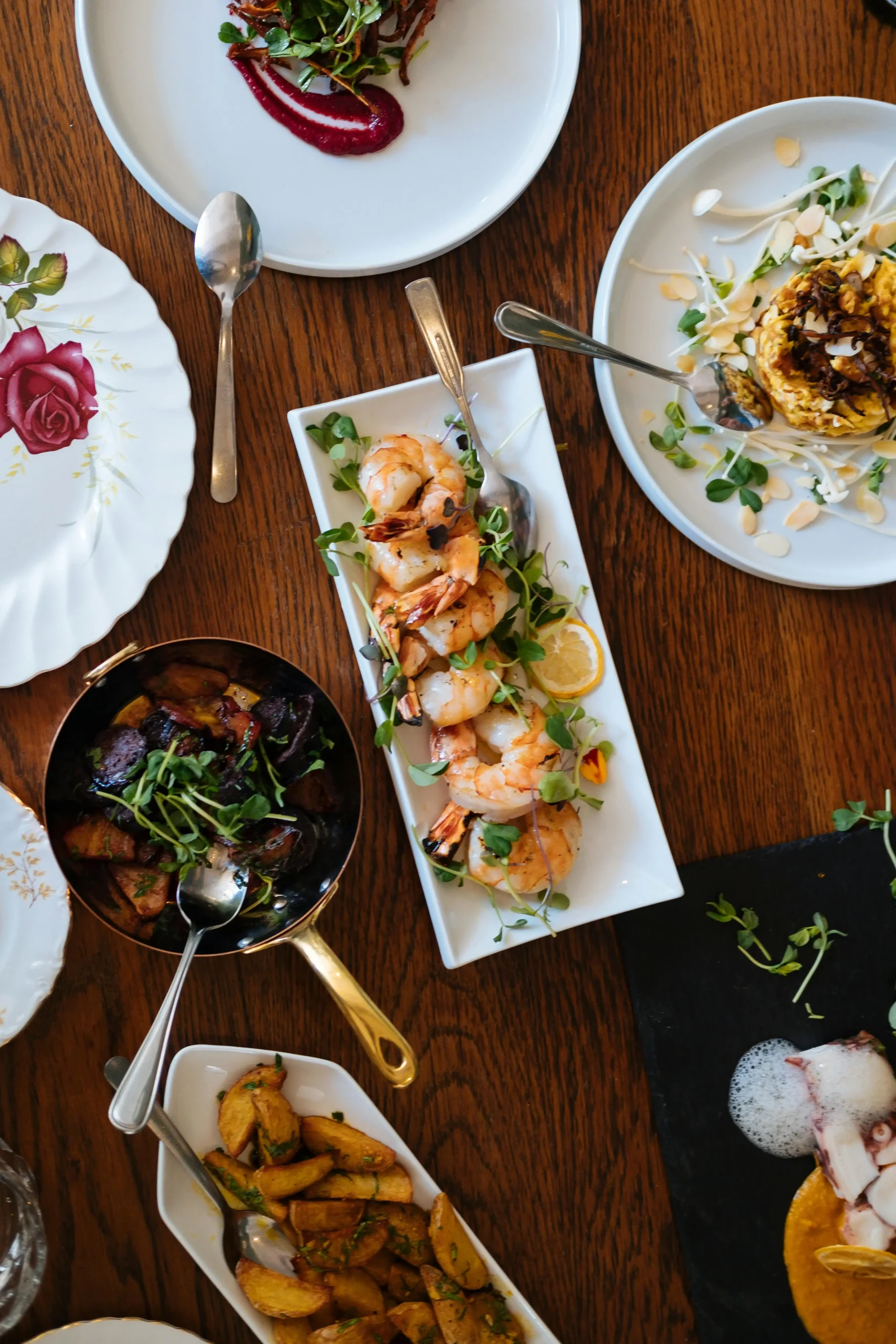
Photography and visual storytelling are critical components of food blogging. In an age where readers often scroll through content in seconds, captivating images can make the difference between engagement and a missed opportunity. A well-shot photo of a golden-brown loaf of bread, a vibrant smoothie bowl, or a richly layered cake can instantly draw attention and inspire readers to try the recipe themselves. Beyond aesthetics, food photography conveys texture, freshness, and flavor, allowing readers to visualize the experience. Props, lighting, and composition all contribute to creating a mood that complements the recipe, making it feel both aspirational and achievable.
Seasonality and sustainability are increasingly emphasized in food blogs. Eating with the seasons ensures that produce is fresh, flavorful, and often more affordable, while also reducing environmental impact. Bloggers highlight seasonal ingredients, offering creative ways to use what is abundant at any given time. Spring might feature asparagus and ramps, summer brings berries and tomatoes, autumn is all about pumpkin and squash, and winter encourages hearty root vegetables and citrus fruits. Seasonal recipes not only taste better but also connect readers to the natural rhythms of the year, making cooking a more mindful and environmentally conscious practice.
Sustainability also extends to reducing food waste and promoting ethical sourcing. Many food bloggers share tips for using leftovers creatively, composting, and selecting ingredients from local, ethical suppliers. Recipes often include suggestions for repurposing vegetable scraps, day-old bread, or excess grains, demonstrating that conscious cooking can be both practical and delicious. By incorporating sustainable practices into their content, bloggers inspire readers to think critically about the impact of their food choices and cultivate habits that benefit both their health and the planet.
Community engagement is one of the hallmarks of food blogging. Comments, social media interactions, and reader-submitted photos create a dynamic, interactive environment where home cooks share successes, ask questions, and offer tips. Some bloggers host live cooking demonstrations, online workshops, or recipe challenges, fostering a sense of camaraderie and collaboration. This interactive approach transforms food blogging from a passive activity into a participatory experience, building relationships among readers while providing opportunities for skill development and experimentation.
Recipe writing has evolved to reflect the needs of a modern audience. Clear, concise instructions, visual aids, ingredient substitutions, and step-by-step guidance make even complex dishes approachable. Bloggers often adopt a conversational tone, guiding readers as a friend would and encouraging them to adapt recipes to their preferences or dietary needs. This accessibility allows beginners to feel confident while giving experienced cooks room for creativity, making food blogging a versatile platform for diverse audiences.
Food blogs also serve as archives of culinary memory and tradition. They preserve family recipes, regional specialties, and seasonal customs, documenting not just how a dish is made but the stories and rituals associated with it. Readers gain insight into the cultural and emotional significance of dishes, learning how food shapes identity and community. By sharing personal anecdotes alongside recipes, bloggers connect readers to the past while inspiring them to create new traditions and memories in their own kitchens.
Even with the rise of technology and online content, the tactile experience of cooking remains central to food blogging. Chopping, stirring, kneading, and seasoning engage multiple senses, providing mindfulness and satisfaction. Bloggers emphasize these sensory experiences, guiding readers to pay attention to textures, aromas, and flavors throughout the cooking process. This focus on hands-on engagement encourages readers to slow down, savor the process, and develop a deeper connection with their food.
Food blogs also cover lifestyle topics related to cooking, such as meal planning, kitchen organization, and hosting tips. Articles on pantry staples, budgeting, and time-saving techniques help readers integrate cooking seamlessly into their daily lives. This practical guidance complements inspirational content, making food blogs not only enjoyable to read but also actionable. Whether someone is preparing a quick weeknight dinner or planning an elaborate dinner party, food blogs provide tools and ideas to make the experience enjoyable and efficient.
The rise of video content has transformed food blogging into a more interactive and immersive medium. Platforms like TikTok, YouTube, and Instagram Reels allow bloggers to demonstrate techniques, share quick hacks, and engage audiences in real time. Short-form videos capture attention quickly while providing a visual tutorial that enhances understanding and confidence. Live cooking sessions create a participatory atmosphere, allowing readers to ask questions, share feedback, and interact with bloggers directly. This multi-sensory approach enriches the food blogging experience, making it more dynamic and accessible.
Ultimately, the appeal of food blogs lies in their ability to combine creativity, education, and connection. They celebrate both the artistry and practicality of cooking, encouraging readers to explore new ingredients, experiment with flavors, and share meals with others. Storytelling, photography, and community engagement transform recipes into experiences, inspiring readers to immerse themselves fully in the culinary process. Food blogs demonstrate that cooking is not merely a chore—it is a journey, an adventure, and a form of personal and social expression.
Food blogs also shape cultural conversations around food, from wellness trends to sustainability and beyond. Bloggers highlight innovative ingredients, global cuisines, and creative adaptations of traditional recipes, encouraging readers to embrace diversity and experimentation. Plant-based meals, alternative flours, fermented foods, and functional ingredients reflect a growing curiosity and awareness around health, flavor, and environmental impact. Through thoughtful content, bloggers help readers navigate these trends, making modern cooking exciting, accessible, and meaningful.
Digital platforms have amplified the reach and influence of food blogs. A single recipe can inspire thousands of readers worldwide, generating feedback, modifications, and variations that further enrich the culinary community. Social media sharing spreads ideas rapidly, making food trends more participatory and dynamic than ever before. Bloggers act as curators, guides, and storytellers, connecting readers with new experiences, tastes, and cultural perspectives. This global connectivity fosters a sense of belonging and shared exploration around food.
In addition to trends and recipes, food blogs emphasize the joy of everyday cooking. From a simple cup of tea and homemade bread to a celebratory holiday feast, the essence of food blogging lies in making moments special. Bloggers capture the magic in ordinary experiences, demonstrating that even small gestures in the kitchen—like garnishing a salad or perfecting a sauce—can create satisfaction, pride, and delight. This perspective encourages readers to see cooking as an act of love and creativity rather than a routine task.
Food blogs celebrate curiosity, creativity, and generosity in the kitchen. They inspire readers to experiment with new flavors, techniques, and cuisines while preserving a connection to tradition and heritage. Whether sharing viral trends, health-conscious recipes, or time-tested classics, bloggers cultivate a sense of community, education, and joy. The modern food blog is more than a collection of recipes; it is a space where culture, creativity, and connection intersect, encouraging readers to explore, savor, and share.
Ultimately, food blogs remind us that cooking is an act of exploration, care, and human connection. They celebrate flavor, storytelling, and culture while empowering readers to create their own culinary adventures. Through vivid descriptions, engaging visuals, practical guidance, and community engagement, food blogs elevate cooking from a daily task to a shared experience that enriches lives. In every post, every recipe, and every shared meal, the modern food blog captures the joy, creativity, and connection that make food one of life’s greatest pleasures.
Food blogs are a testament to the enduring power of flavor, creativity, and human connection. They bridge generations, cultures, and continents, offering readers the inspiration and tools to explore the culinary world. In this digital era, they provide a platform where recipes, stories, and traditions are preserved and celebrated, empowering readers to experiment, learn, and enjoy. The kitchen becomes a place of possibility, curiosity, and joy, and every meal prepared is a chance to savor the moment and create lasting memories.
Leave a Reply