In the vast, delectable ocean of the internet, where millions of recipes jostle for attention, simply listing ingredients and instructions is no longer enough to truly capture an audience. The modern food blog has evolved beyond a mere culinary database; it has become a canvas for food storytelling, a rich tapestry woven with personal narratives, cultural heritage, and the sensory magic of a dish. For today’s generation, who crave authenticity and connection, the most compelling food content isn’t just about what you eat, but why you eat it, who you eat it with, and the journey it took to get to your plate. This deep dive into the art of food storytelling explores how bloggers are moving beyond the purely instructional to create immersive, evocative experiences that resonate deeply with their readers.
The genesis of food blogging was, indeed, about sharing recipes. Early food blogs were digital cookbooks, places where home cooks could document their culinary experiments and share family favorites. But as the digital landscape matured, so did the expectations of the audience. With platforms like Pinterest and Instagram becoming visual feasts, and TikTok fostering short-form, personality-driven content, the bar for engagement was raised. Readers weren’t just looking for a how-to; they were seeking inspiration, connection, and a narrative that made the food feel alive. This shift gave birth to the food storyteller.
What exactly constitutes food storytelling? It’s the ability to infuse a dish with meaning and context. It’s about more than just the taste; it’s about the memory, the tradition, the struggle, the triumph, the travel, the culture, and the personal journey tied to that food. Think of it as painting a picture with words and visuals that transports the reader directly into your kitchen, or perhaps across the globe to a bustling market.
One of the most powerful forms of food storytelling is personal narrative. Why does a particular dish hold significance for you? Is it your grandmother’s recipe, steeped in childhood memories? Did you discover it during a transformative travel experience? Did cooking it help you through a difficult period? Sharing these personal anecdotes makes a recipe infinitely more relatable and emotionally resonant. When a blogger shares a story about learning to make pasta from scratch in Italy, complete with humorous mishaps and the warmth of a nonna’s kitchen, the reader doesn’t just get a recipe; they get a vicarious experience, an emotional connection to the food that goes far beyond its ingredients. This personal touch is what builds loyalty and turns casual readers into dedicated followers.
Another crucial dimension of food storytelling is cultural and historical context. Every dish has a lineage, a history, a place within a culinary tradition. A food blogger who delves into the origins of a dish, explaining its cultural significance, the historical events that shaped its ingredients, or the regional variations, offers immense value. For example, when presenting a simple ramen recipe, a blogger could explore the evolution of ramen in Japan, the different regional broths, or the specific etiquette of eating it. This educational aspect enriches the reader’s understanding and appreciation of the food, transforming a meal into a cultural lesson. This is particularly appealing to a generation that values global awareness and cultural exchange.
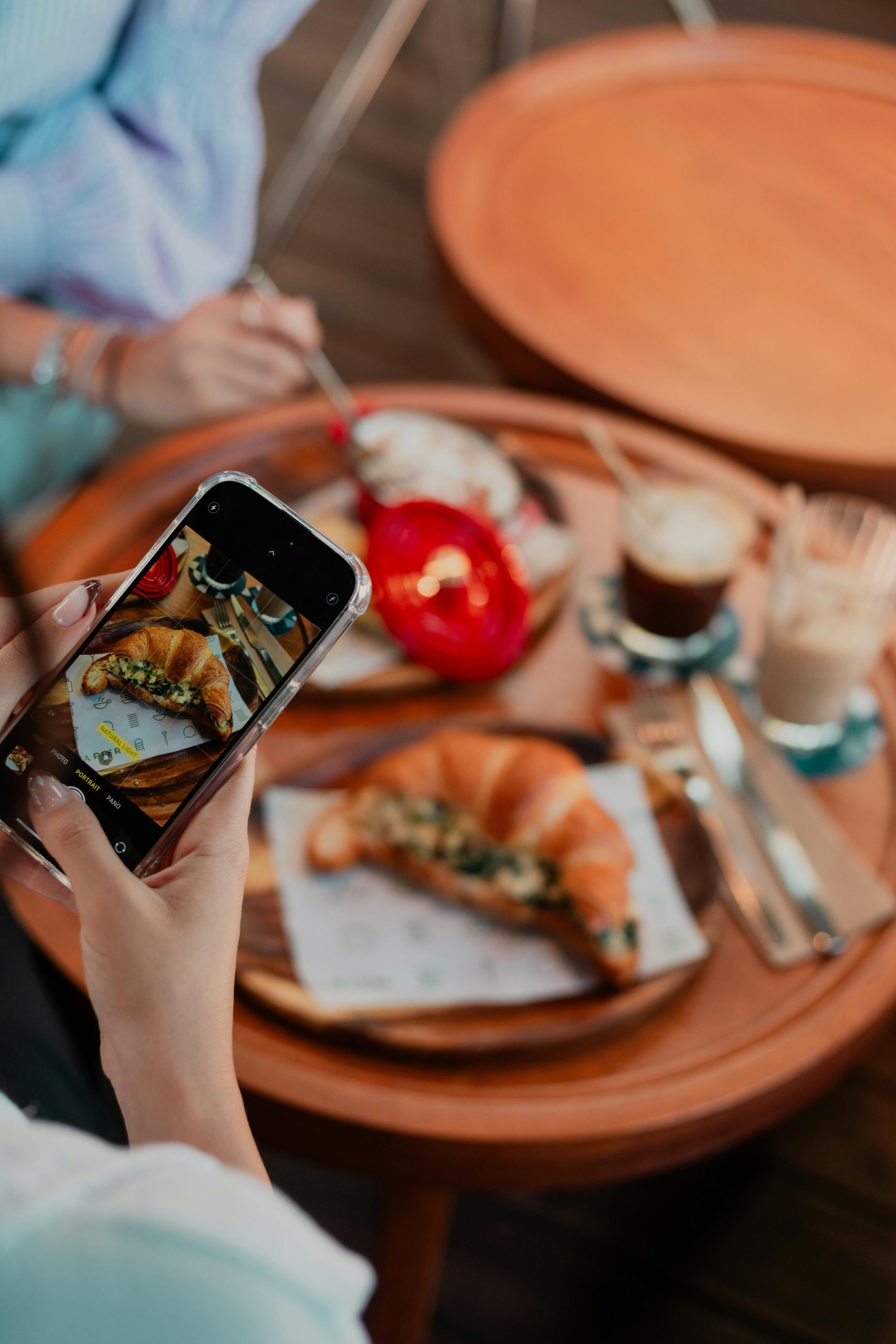
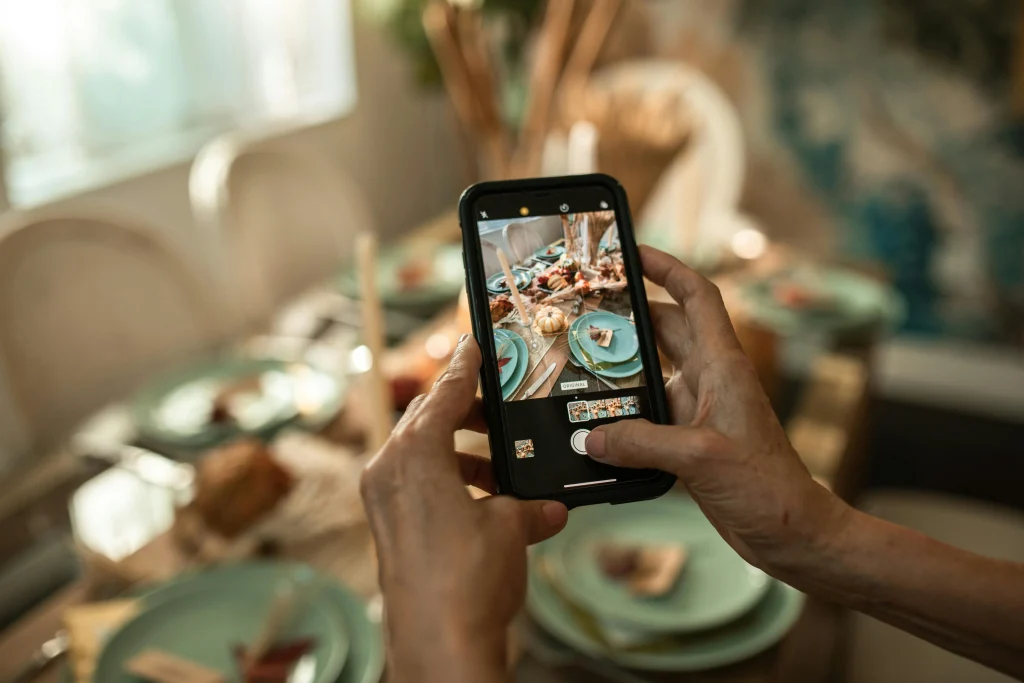
Beyond words, visual storytelling has become paramount. High-quality food photography and videography are no longer optional; they are essential. A single, mouth-watering image can convey more emotion and desire than paragraphs of text. But it’s not just about pretty pictures; it’s about telling a visual story. This involves styling the food, choosing evocative props, utilizing natural light, and composing shots that capture the essence of the dish. Modern food bloggers use a variety of visual mediums:
- Aesthetic Photography: Images that evoke mood, texture, and flavor, often showcasing the ingredients, the cooking process, and the final plated dish. They might employ flat lays, overhead shots, or close-ups to highlight specific details.
- Process Videos: Short, engaging videos on platforms like Instagram Reels and TikTok that show the cooking process in a condensed, visually appealing way. These videos are often accompanied by trending audio and quick cuts, making complex recipes feel accessible and fun. They tell the story of transformation – raw ingredients becoming a delicious meal.
- Lifestyle Shots: Images that place the food within a broader context – people enjoying the meal, the setting of a dinner party, or a picnic in a scenic location. These photos tell the story of connection and enjoyment.
- Behind-the-Scenes Glimpses: Showing the imperfect realities of cooking, the messy kitchen, the recipe failures, or the joy of a successful bake. This fosters authenticity and relatability, proving that the blogger is a real person, not just a polished brand.
The rise of the “jump to recipe” button, a concession to the segment of the audience who just wants the recipe, ironically underscores the value of the narrative content. Bloggers include it not because the story is superfluous, but because the long-form content is vital for search engine optimization (SEO) and building a deeper connection. Search engines value comprehensive, unique content, and stories provide exactly that, allowing bloggers to naturally integrate keywords and phrases that draw in organic traffic. For the reader who chooses to read the story, it’s an immersive experience that builds trust and affinity.
Challenges in food storytelling include avoiding rambling for the sake of length, ensuring the story genuinely connects to the food, and maintaining a consistent voice. The goal is to inform, entertain, and inspire, not to frustrate. A good food storyteller learns to weave their narrative seamlessly around the recipe, providing value and context without making the reader feel like they have to dig for the essential information.
For the aspiring food blogger of today, embracing food storytelling is paramount. It’s about understanding that food is inherently tied to human experience. It’s about recognizing that every dish has a tale to tell, and every cook has a unique voice to share it. By combining compelling personal narratives, rich cultural insights, and captivating visuals, food bloggers can transform simple recipes into unforgettable culinary journeys, building not just an audience, but a community bound by a shared love for food and the stories it carries. This evolution from recipe database to narrative powerhouse is why food blogging remains a vibrant, influential, and deeply personal space in the ever-expanding digital landscape.
Leave a Reply