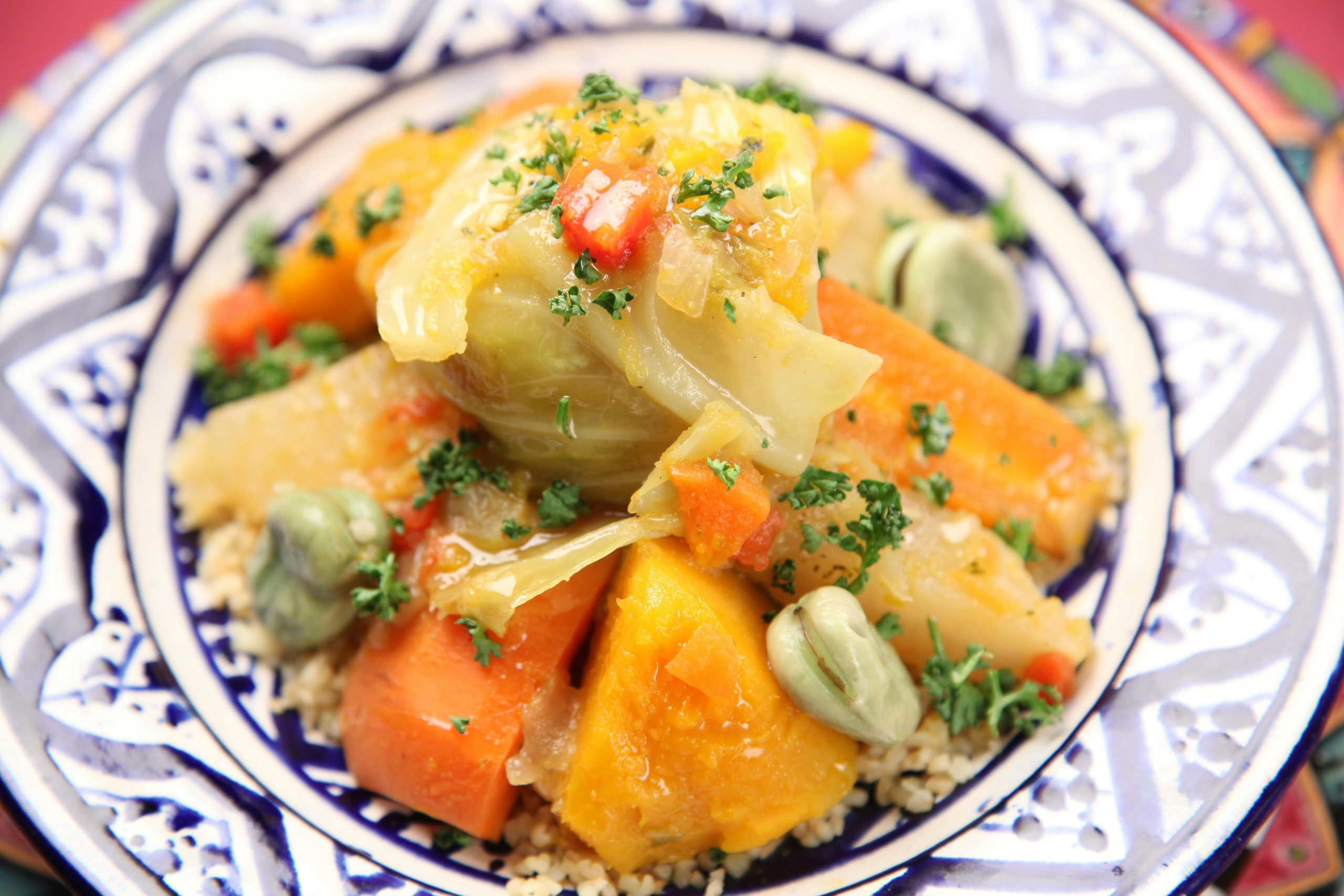
For decades, “ethnic food” in many Western countries meant a handful of generalized cuisines: “Chinese,” “Mexican,” “Italian.” But in 2025, the culinary landscape is experiencing a profound shift. Thanks to increased travel, social media’s democratizing power, and a generation’s insatiable curiosity, we are witnessing the rise of hyper-regional and authentic international cuisines. This trend moves beyond broad categories to explore the nuanced, specific flavors of a particular village, a historical period, or a less-explored region, often bringing these global discoveries back to our local kitchens and restaurants with both reverence and creativity.
This isn’t just about seeking out “new” foods; it’s about a deeper appreciation for culinary heritage and the stories behind the dishes. Consumers, especially Millennials and Gen Z, are more educated and adventurous, craving authenticity and an understanding of the cultural context of what they eat. They are less impressed by generic “Asian fusion” and more excited by the precise flavors of a specific province, the traditional preparation methods of a tribal community, or the street food unique to one vibrant city.
Let’s explore the facets of this fascinating food trend:
1. Beyond the Obvious: Unearthing Hyper-Regional Delicacies: * Indian Cuisine: Moving beyond butter chicken and tikka masala to explore the distinct flavors of South Indian (e.g., Keralan seafood curries, Chettinad chicken), Northeastern Indian (e.g., fermented bamboo shoot dishes), or Gujarati vegetarian thalis. Restaurants and home cooks are diving into the rich tapestry of regional spices, grains, and techniques. * Chinese Cuisine: Rather than generalized “Chinese takeout,” the focus is now on the fiery complexity of Sichuan (e.g., Mapo Tofu, Dan Dan Noodles), the delicate dim sum of Cantonese, the robust wheat-based dishes of Shaanxi (e.g., Biang Biang noodles), or the sweet and sour subtleties of Shanghainese food. * African Cuisines: West African flavors, with their emphasis on rich stews (e.g., Egusi soup, Jollof Rice variations), plantains, and specific spice blends, are gaining significant traction. Beyond West Africa, East African, North African, and Southern African culinary traditions are also being explored with increasing curiosity. * Latin American Flavors: While Mexican food remains popular, interest is surging in the diverse cuisines of Peru (e.g., ceviche, Lomo Saltado), Colombia (e.g., Ajiaco, Bandeja Paisa), and Venezuela (e.g., Arepas, Pabellón Criollo), showcasing unique ingredients and cooking methods. * Mediterranean Nuances: Going beyond general “Mediterranean diet” to specific islands or regions – think Cretan wild greens, Cypriot halloumi preparations, or the specific seafood stews of coastal Italy.
2. The Influence of Social Media and Digital Storytelling: Platforms like TikTok, Instagram, and YouTube have become powerful conduits for this trend. Food content creators from around the globe share hyper-specific recipes, cooking demonstrations, and cultural insights directly from their homes or local markets. A viral video of a street food vendor in Vietnam making Bún chả or a Ghanaian chef preparing Waakye can instantly ignite global curiosity. This direct exposure bypasses traditional media gatekeepers, offering an unfiltered, authentic glimpse into diverse culinary practices. It fosters a sense of discovery and encourages experimentation that was previously much harder to access.
3. Authenticity and Education: Modern consumers aren’t just looking for a dish; they want the story behind it. This means a greater emphasis on: * Traditional Techniques: Learning about ancient fermentation methods, specific grinding techniques, or slow-cooking processes. * Indigenous Ingredients: Seeking out unique spices, herbs, grains, and produce that are integral to a specific cuisine (e.g., ube from the Philippines, aji amarillo from Peru, za’atar from the Middle East). * Cultural Context: Understanding the historical, social, and religious significance of dishes, turning a meal into a cultural immersion. * Respectful Adaptation: When these dishes are brought to new contexts, there’s a growing awareness of the importance of respectful adaptation rather than appropriation. This means acknowledging origins, crediting communities, and striving for authentic flavor profiles where possible, or clearly identifying creative fusions.
4. Local Touches: Integration into the Home and Restaurant Scene: This global exploration isn’t just happening in far-off lands; it’s reshaping local food scenes: * Restaurant Innovation: Restaurants, from fine dining to casual eateries, are increasingly specializing in hyper-regional cuisines or incorporating specific global techniques and ingredients into their menus. Pop-ups and food trucks are often the pioneers, testing new concepts and introducing lesser-known flavors to a broader audience. * Grocery Store Diversity: Specialty grocery stores and even mainstream supermarkets are expanding their international aisles, stocking more obscure ingredients, sauces, and spices to cater to adventurous home cooks. Online specialty stores further bridge this gap, delivering exotic ingredients to doorsteps. * Home Cooking Adventures: The average home cook is more willing to experiment. Online resources, cooking classes, and a proliferation of cookbooks dedicated to specific regional cuisines make it easier than ever to recreate authentic international dishes at home.
5. The Ethical Dimension: This trend also carries an ethical undertone. By delving into the origins of food, consumers develop a greater appreciation for the farmers, producers, and culinary traditions that shape global flavors. This can lead to increased demand for ethically sourced ingredients, fair trade practices, and a desire to support the communities that cultivate these culinary treasures.
The rise of hyper-regional and authentic international cuisines is more than a fleeting trend; it’s a reflection of a globally connected generation’s desire for genuine experience and cultural understanding. It celebrates the diversity of human culinary expression, inviting us to explore the world one delicious, deeply authentic bite at a time, and enriching our palates and perspectives in the process.
Leave a Reply