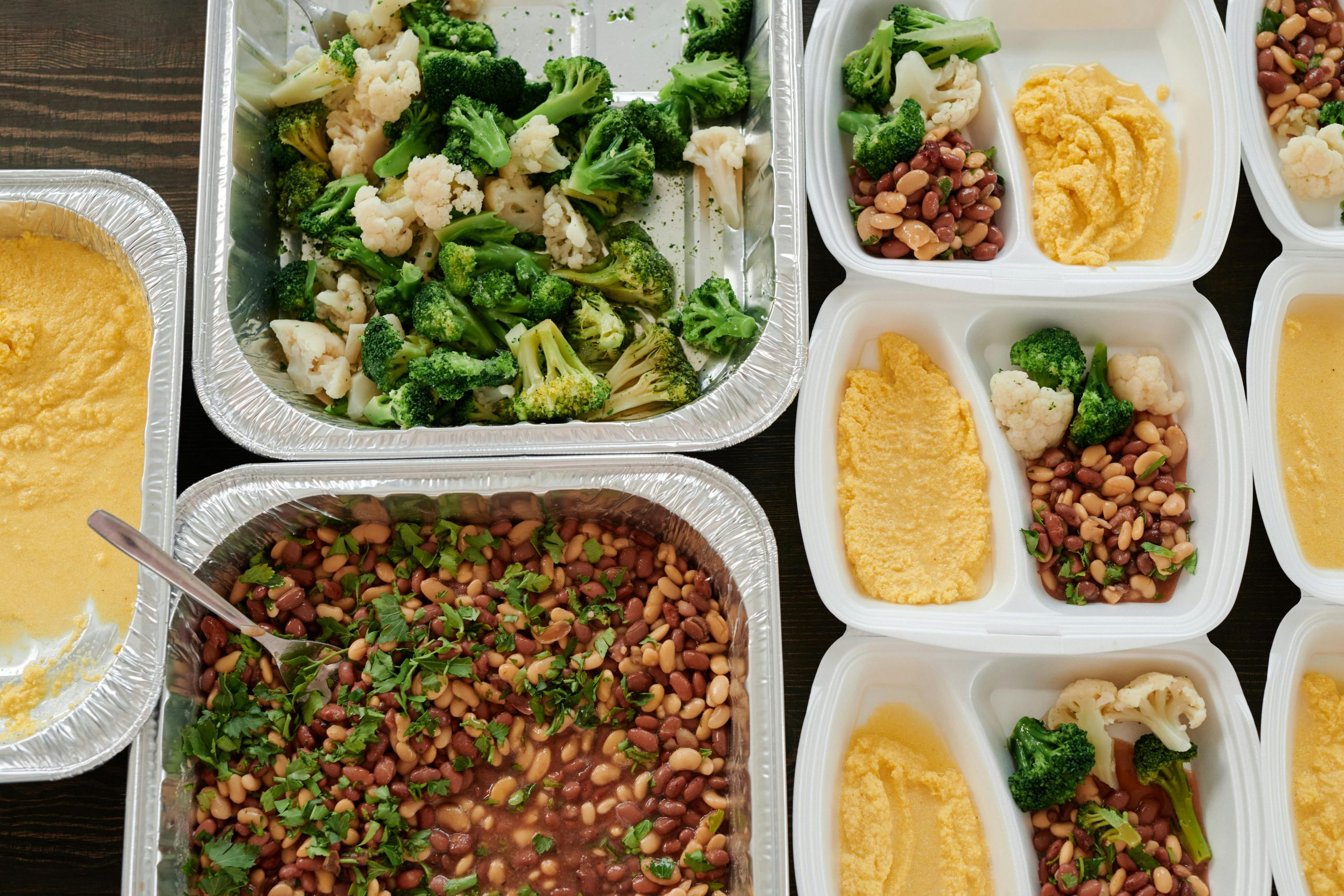
The plant-based movement is no longer a niche dietary choice; it is a global revolution reshaping our plates, our industries, and our planet. In 2025, the conversation has moved far beyond simple veganism, evolving into a sophisticated exploration of diversifying protein sources and embracing sustainable eating as a lifestyle. This isn’t just about cutting out meat; it’s about innovating with fungi, harnessing precision fermentation, and reimagining food systems to create a more resilient and ethically conscious future. For today’s generation, driven by health, environmental concerns, and culinary curiosity, the plant-based plate represents a delicious and impactful frontier.
The journey of plant-based eating from obscurity to ubiquity has been rapid and transformative. A decade ago, “vegan food” often conjured images of bland tofu and limited options. Today, supermarket shelves are overflowing with sophisticated plant-based meats, dairy alternatives that genuinely rival their animal counterparts, and innovative snacks that appeal to omnivores and flexitarians alike. This mass adoption is fueled by a confluence of factors: growing awareness of the environmental impact of animal agriculture, increasing health consciousness, ethical considerations regarding animal welfare, and simply, better-tasting products.
In 2025, the plant-based revolution is characterized by several key trends that push beyond traditional plant proteins like soy, peas, and wheat:
1. The Rise of Mycoprotein (Fungi-Based Proteins): Forget mushrooms on your pizza; think mushrooms as the foundation of your burger. Mycoprotein, derived from fermented fungi (like the brand Quorn has championed for decades), is gaining renewed traction. It’s a complete protein, offers a satisfying, fibrous texture that closely mimics meat, and has a significantly lower environmental footprint than animal proteins. The appeal lies in its versatility, ability to absorb flavors, and its natural origin, which resonates with consumers seeking less processed alternatives. We’re seeing fungi-based “chicken” nuggets, “steaks,” and even deli slices becoming more prevalent, offering realistic mouthfeel and satisfying umami.
2. Precision Fermentation: The Future of Animal-Identical Proteins: This is arguably one of the most exciting and disruptive technologies in the plant-based space. Precision fermentation utilizes microorganisms (like yeast or bacteria) as “mini-factories” to produce specific functional ingredients, including animal proteins, without needing the animal itself. Imagine dairy proteins (whey, casein) produced in a lab, identical to those found in cow’s milk, but entirely animal-free. This technology is being used to create: * Animal-Free Dairy: Milks, cheeses, and ice creams that taste, melt, and stretch exactly like their dairy counterparts because they contain the same proteins. This bypasses issues of lactose intolerance and environmental concerns associated with dairy farming. * Animal-Free Egg Proteins: Enabling egg alternatives that behave like real eggs in baking and cooking, expanding possibilities for allergen-free and ethical food production. * Functional Fats: Creating fats with specific melting points and textures that can enhance the sensory experience of plant-based meats, making them juicier and more satisfying. The promise here is to eliminate the need for animals in food production while delivering the exact sensory experience consumers desire.
3. Cultivated Meat (Lab-Grown Meat): While still facing regulatory hurdles and scale-up challenges, cultivated meat (meat grown directly from animal cells without slaughter) is a monumental trend to watch. Though technically not “plant-based,” its development is intrinsically linked to the broader sustainable protein movement, as it offers a solution to the environmental and ethical issues of conventional meat production. As technology advances and costs decrease, cultivated chicken, beef, and seafood could begin to appear in niche markets, challenging the very definition of “meat.” Its inclusion in the “plant-based revolution” discussion underscores the industry’s drive for radically sustainable protein solutions.
4. Upcycled Ingredients and Whole-Food Plant-Based: Complementing the high-tech innovations, there’s a strong counter-trend towards simplicity, whole foods, and waste reduction. “Upcycled” ingredients, where food scraps and byproducts (like spent grain from brewing, fruit pulp from juicing, or ugly produce) are transformed into new, valuable food products, are gaining traction. This aligns with the zero-waste movement and offers innovative ingredients like flours made from fruit seeds or vegetable powders from discarded peels. Simultaneously, a focus on unprocessed, whole-food plant-based diets continues to appeal to health-conscious consumers, emphasizing legumes, grains, fruits, and vegetables as the stars of the plate.
5. Diversifying Plant-Based Staples: Beyond the common soy and pea, manufacturers and home cooks are exploring a wider array of plant protein sources: * Algae and Microalgae: Spirulina and chlorella are rich in protein, vitamins, and minerals, finding their way into supplements, powders, and even some food products. * Hemp and Fava Beans: These offer excellent nutritional profiles and are increasingly being used in plant-based milks, protein powders, and meat alternatives. * Nuts and Seeds: Continually reinvented, they offer not just protein and healthy fats but also versatile bases for cheeses, sauces, and spreads.
Impact and Future Outlook:
The plant-based revolution is driven by more than just dietary choices; it’s a reflection of deeper societal values. Consumers, particularly younger generations, are more informed about the climate crisis, global food security, and the ethics of food production. They demand transparency, sustainability, and innovation from food companies. This trend is pushing research and development, attracting significant investment, and prompting traditional food giants to adapt or risk obsolescence.
Challenges remain, particularly around taste parity (though rapidly improving), price accessibility, and consumer education about novel proteins. However, as these plant-based innovations become more sophisticated, affordable, and widely available, they promise to fundamentally shift how we think about protein and eating. The plant-based revolution in 2025 is not just a trend; it’s a profound re-evaluation of our relationship with food, paving the way for a more diverse, sustainable, and delicious future. It’s about creating a global food system that is kinder to animals, healthier for people, and more regenerative for the planet.
Leave a Reply