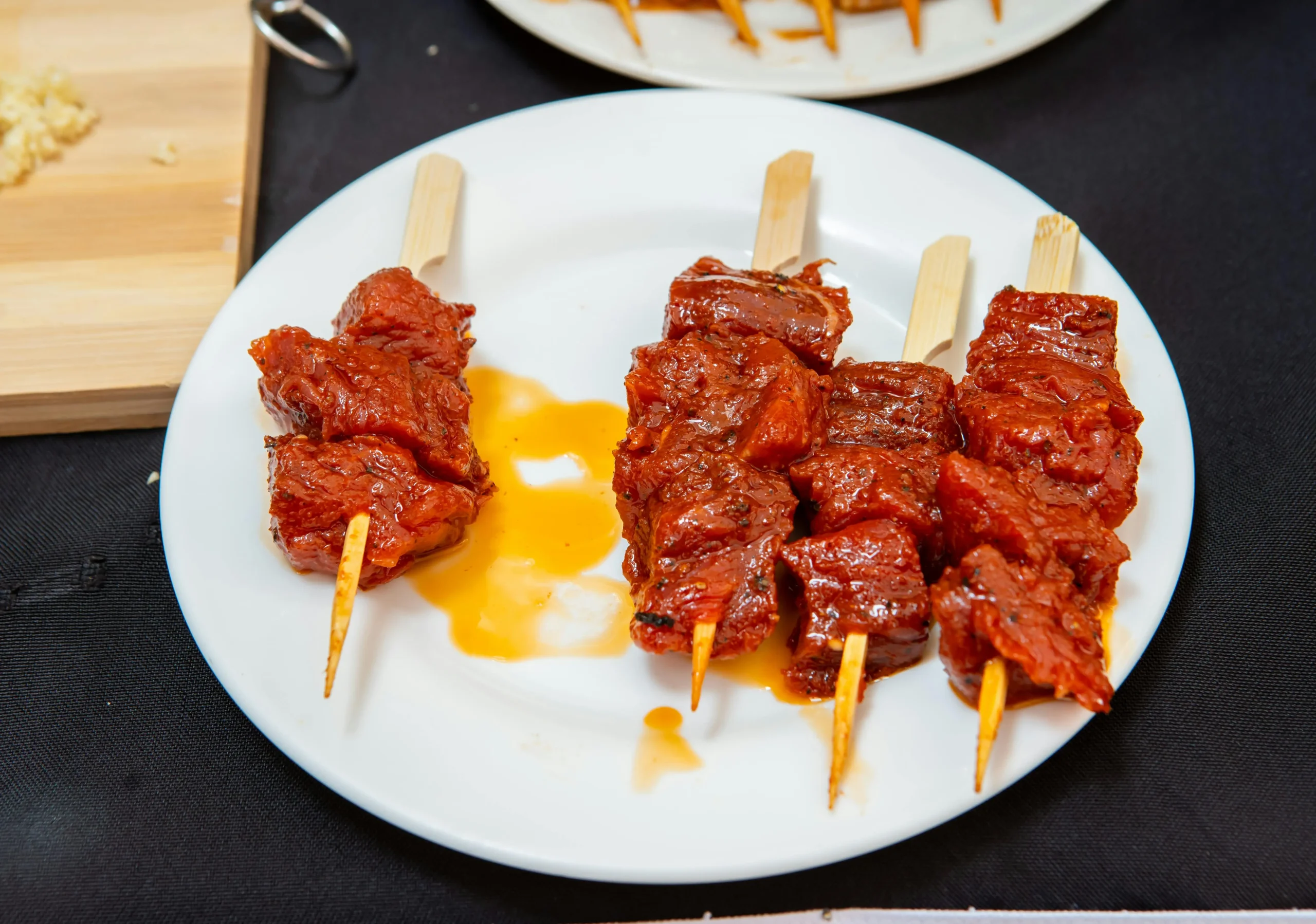
The unmistakable scent of charcoal and sizzling food is the official announcement that grilling season has arrived. It’s a time for simple, relaxed cooking under the open sky. But too often, what comes off the grill is a disappointment—dry chicken, bland pork chops, or lackluster vegetables. The difference between a memorable grilled meal and a mediocre one often comes down to one simple, crucial step: the marinade.
A great marinade is the ultimate secret weapon for any grill master. It’s a liquid masterpiece that works on multiple levels, infusing your food with deep flavor, ensuring it stays juicy and tender, and helping to create that perfect, caramelized crust.
Forget bottled sauces. Mastering the art of the perfect marinade is easy, and it all starts with understanding a simple formula. This guide will walk you through the science of marinating and give you four foolproof, versatile recipes to make this your most delicious grilling season ever.
The Science of a Great Marinade: The Flavor Trinity
At its core, every effective marinade is built on three fundamental components. Understand these, and you can create endless variations of your own.
- FAT (e.g., Olive Oil, Yogurt, Coconut Milk): Fat is the ultimate flavor vehicle. Many of the aromatic compounds in herbs and spices are fat-soluble, meaning they need fat to be effectively transferred into the meat. Fat also adds moisture, prevents the food from drying out under the intense heat of the grill, and helps stop it from sticking to the grates.
- ACID (e.g., Citrus Juice, Vinegar, Buttermilk, Wine): Acid works to tenderize the surface of the meat by denaturing its proteins. More importantly, it adds a crucial element of brightness that cuts through richness and balances the smoky flavors from the grill. A word of caution: don’t overdo it. Marinating food in a highly acidic mixture for too long can “cook” the surface, leading to a mushy texture.
- FLAVOR & AROMATICS (e.g., Herbs, Spices, Garlic, Onion, Soy Sauce, Honey): This is where you define your marinade’s personality. This category includes everything that provides the signature taste: salt for enhancing flavor, sugar (like honey or brown sugar) for caramelization and sweetness, umami-rich ingredients (like soy sauce or Worcestershire), and a universe of herbs and spices to create a specific culinary profile, from Italian to Mexican to Asian.
The Golden Rules of Marinating: 4 Steps to Success
Before you start mixing, follow these essential rules for safe and effective marinating.
- Time It Right: Different proteins require different marinating times. Too little time, and the flavor won’t penetrate; too much time (especially with acid), and the texture can be ruined.
- Seafood & Vegetables: 15-30 minutes is plenty.
- Chicken & Pork: 2 to 8 hours is ideal.
- Beef & Lamb: 4 to 24 hours works well for heartier cuts.
- Practice Food Safety: Never, ever reuse a marinade that has been in contact with raw meat as a sauce. If you want to use some of the marinade as a glaze or dipping sauce, make sure to set a portion aside before it touches the raw protein. Alternatively, you can make it food-safe by bringing it to a rolling boil in a saucepan for at least 3-5 minutes.
- Get It Dry Before the Grill: This is a crucial step that many people skip. After removing your food from the marinade, pat it thoroughly dry with paper towels. A dry surface is what allows for the Maillard reaction—the chemical process that creates a deep brown, flavorful crust. A wet surface will just steam on the hot grill, preventing a good sear.
- Use the Right Container: Use a non-reactive container for marinating. A large zip-top bag is perfect as it allows you to coat the food evenly with a minimal amount of marinade. A glass or ceramic dish also works well. Avoid metal bowls, as the acid in the marinade can react with the metal and impart a metallic taste.
4 Foolproof Marinade Recipes for Grilling Season
Here are four essential, versatile recipes to get you started. Each makes enough to marinate about 2 pounds of meat or vegetables.
1. The All-Purpose Lemon-Herb Marinade
This bright, fresh, Mediterranean-inspired marinade is incredibly versatile and works wonders on lighter proteins.
- Best For: Chicken breasts and thighs, fish fillets (like salmon or cod), shrimp, and all types of vegetables (especially zucchini, bell peppers, and asparagus).
- You’ll Need:
- 1/2 cup olive oil
- Juice and zest of 1 large lemon
- 4 cloves garlic, minced
- 1/4 cup chopped fresh herbs (like parsley, dill, and oregano)
- 1 tsp Dijon mustard
- 1 tsp salt
- 1/2 tsp black pepper
- Instructions: Whisk all ingredients together in a bowl until well combined. Pour over your food and marinate according to the rules above.
2. The Classic Steakhouse Marinade
This savory, umami-packed marinade is perfect for giving any cut of beef a deep, rich, steakhouse-worthy flavor.
- Best For: Steak (especially flank, skirt, or sirloin), beef kebabs, and portobello mushrooms.
- You’ll Need:
- 1/3 cup soy sauce (or tamari)
- 1/3 cup olive oil
- 2 tbsp Worcestershire sauce
- 1 tbsp balsamic vinegar
- 4 cloves garlic, smashed
- 1 tbsp packed brown sugar
- 1 tsp black pepper
- Instructions: Combine all ingredients in a bowl or jar and whisk until the brown sugar is dissolved. This marinade is excellent for tougher cuts of meat marinated for at least 4 hours.
3. The Sweet & Smoky Southwestern Marinade
Tangy, smoky, and slightly sweet, this marinade is perfect for adding a touch of barbecue flavor to pork or chicken.
- Best For: Pork chops, pork tenderloin, chicken thighs, and chicken wings.
- You’ll Need:
- 1/2 cup olive oil
- 1/4 cup apple cider vinegar
- 2 tbsp honey or maple syrup
- 2 cloves garlic, minced
- 1 tbsp chili powder
- 2 tsp smoked paprika
- 1 tsp cumin
- 1/2 tsp salt
- Instructions: Whisk all ingredients together until smooth. The smoked paprika is key to providing that “just-off-the-smoker” flavor.
4. The Sticky Soy-Ginger Marinade
A classic Asian-inspired marinade that delivers a perfect balance of salty, sweet, and aromatic flavors. The sugar content helps create a beautiful, sticky glaze on the grill.
- Best For: Chicken skewers, salmon fillets, flank steak, tofu, and broccoli.
- You’ll Need:
- 1/2 cup low-sodium soy sauce
- 1/4 cup rice vinegar
- 2 tbsp sesame oil
- 2 tbsp honey
- 1-inch piece of fresh ginger, grated
- 3 cloves garlic, minced
- 1 scallion, thinly sliced
- Instructions: Combine all ingredients and whisk well. Because of the sugar content, be sure to grill over medium heat and watch carefully to prevent burning.
Think of these recipes as your starting point. Once you understand the basic formula, you can mix and match ingredients to create your own signature flavors. This season, don’t just grill—marinate. It’s the simplest art form for achieving truly spectacular results.
Leave a Reply