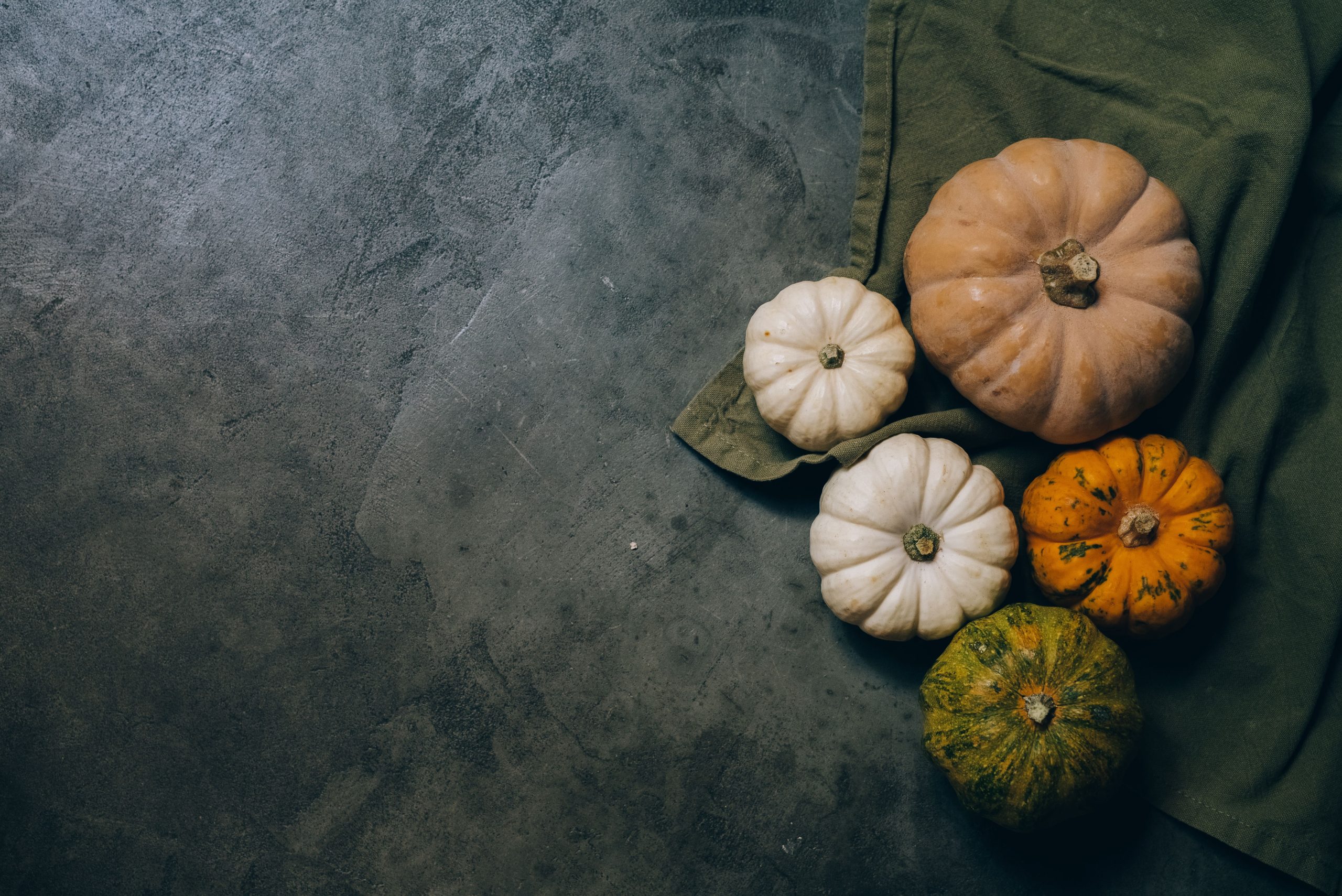
As soon as autumn arrives, pumpkins seem to appear everywhere. They decorate front porches, fill farmers’ market displays, and become the stars of pies, muffins, and pumpkin-spice treats.
But the season’s most versatile produce deserves a place at the dinner table, too.
Pumpkin, butternut squash, acorn squash, and sweet potatoes offer a combination of natural sweetness, rich color, and comforting texture that works beautifully in savory dishes. They can add body to soups, bring flavor to simple pasta, make sheet-pan dinners more satisfying, and transform familiar ingredients into something that feels distinctly seasonal.
The best part? You do not need complicated recipes or hours in the kitchen to enjoy them.
With a few pantry staples, basic seasonings, and some smart meal-prep techniques, fall produce can become the foundation for easy weeknight meals that feel cozy without requiring a major cooking project.
Here are five savory ways to make the most of pumpkin season beyond pie.
1. Make a Creamy Pumpkin Soup With a Savory Twist
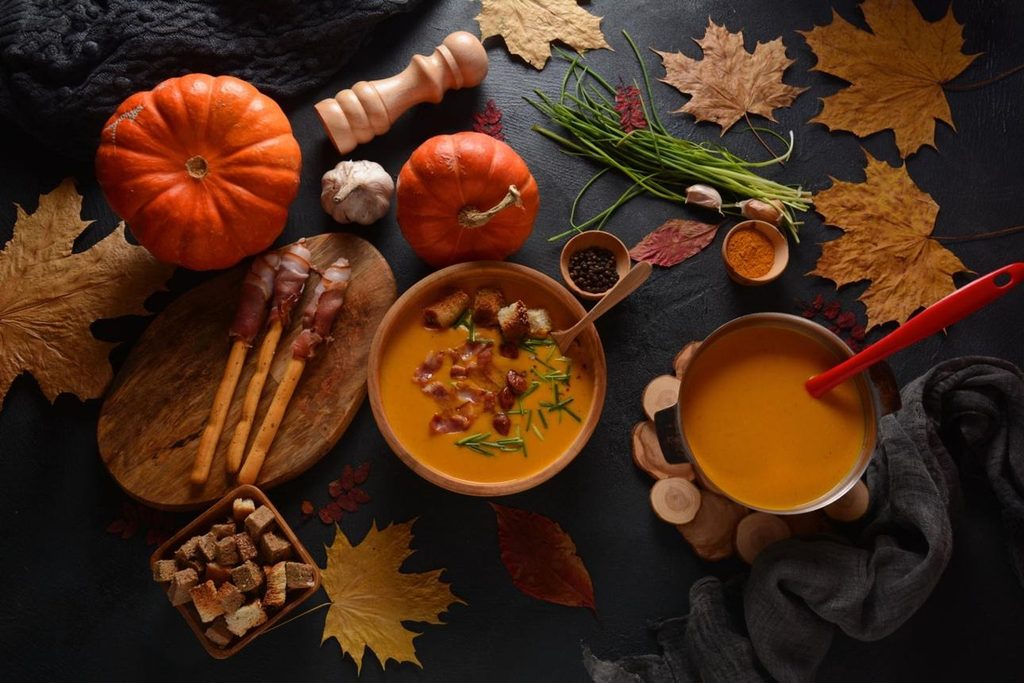
Few meals feel as comforting on a chilly evening as a bowl of warm soup. Pumpkin is especially useful because its soft texture blends easily into a smooth, creamy base without requiring large amounts of cream.
Start with canned pumpkin purée or roasted cooking pumpkin. Sauté chopped onion and garlic in a little olive oil until softened, then stir in the pumpkin, vegetable or chicken broth, black pepper, and a pinch of smoked paprika. Simmer until the flavors come together, then blend until smooth.
For extra warmth, add a little ground cumin, fresh thyme, or grated ginger. If you prefer a richer finish, stir in a splash of milk, unsweetened coconut milk, or cream.
The secret is balancing pumpkin’s natural sweetness with ingredients that add depth. Garlic, herbs, black pepper, and smoky spices keep the soup firmly in savory territory.
Make it a complete meal: Serve the soup with whole-grain toast, a grilled cheese sandwich, or a side salad. For more staying power, add cooked white beans or red lentils before blending, or serve it alongside a protein-rich main.
You can also prepare a larger batch and refrigerate portions for quick lunches. Store leftovers in an airtight container and reheat thoroughly.
Easy variation: Replace some of the pumpkin with roasted butternut squash or sweet potato. The flavor will change slightly, but the same basic method works.
2. Turn Pumpkin Into a Weeknight Pasta Sauce
Pumpkin might not be the first ingredient you think of for pasta, but it makes a wonderfully smooth sauce. Its mild flavor pairs well with garlic, Parmesan, sage, black pepper, and other ingredients commonly used in savory Italian-inspired dishes.
To make a simple sauce, sauté minced garlic in olive oil or a little butter. Add pumpkin purée, a splash of broth, and a small amount of milk or reserved pasta water. Stir until smooth and adjust the consistency until the sauce coats a spoon.
Season with salt, pepper, and chopped sage or thyme. Add grated Parmesan if desired, then toss with cooked pasta.
The result is a comforting meal that tastes richer than its ingredient list might suggest. You can also add sautéed mushrooms, spinach, roasted squash, white beans, or cooked chicken to create a more substantial dinner.
For a slightly sharper flavor, finish the dish with lemon zest or a small squeeze of lemon juice. The acidity helps balance the pumpkin’s sweetness.
A useful shortcut: Keep a can of 100% pumpkin purée in the pantry. It makes the sauce especially convenient on nights when cutting and roasting a whole pumpkin feels like too much work.
Check the label carefully. Pumpkin pie filling is already sweetened and spiced, so it is not the right substitute for a savory sauce.
Easy variation: Use the sauce in a baked pasta dish with spinach and mozzarella, or spoon it over gnocchi for a seasonal alternative to a tomato-based sauce.
3. Roast Pumpkin, Squash, and Sweet Potatoes on One Sheet Pan
Roasting is one of the simplest ways to bring out the flavor of fall produce.
As pumpkin, squash, and sweet potatoes cook, their surfaces develop golden edges while the centers become tender. Their natural sweetness becomes more pronounced, making them a good match for savory herbs, spices, and tangy dressings.
Cut cooking pumpkin, butternut squash, or sweet potatoes into similarly sized cubes. Toss them with olive oil, salt, black pepper, garlic powder, and rosemary or thyme. Spread them across a sheet pan in a single layer and roast at about 425°F (220°C), turning once, until tender and browned. Cooking time will depend on the size of the pieces and the type of produce.
Avoid crowding the pan. If the vegetables are packed too closely together, they may steam instead of developing browned edges.
Once roasted, the vegetables can become several different meals throughout the week.
- Serve them beside roasted chicken, fish, or tofu.
- Add them to a grain bowl with quinoa, brown rice, or farro.
- Toss them with leafy greens, chickpeas, and a lemon dressing.
- Fold them into warm lentils with parsley and crumbled feta.
- Use leftovers in a breakfast hash with onions and eggs.
A simple dressing made with olive oil, lemon juice, Dijon mustard, and black pepper can brighten the entire dish.
Make meal prep easier: Roast a large tray of vegetables at the beginning of the week. Store the cooled vegetables in airtight containers in the refrigerator and add them to meals as needed.
The goal is to prepare a versatile ingredient, not commit yourself to eating the exact same dinner every night.
4. Give Fall Produce a Place in Hearty Bowls and Skillets
When the weather cools, one-pot meals and grain bowls become especially appealing. They are flexible, easy to customize, and a useful way to combine seasonal vegetables with protein and pantry staples.
For a simple pumpkin and chickpea skillet, sauté onion and garlic in a large pan. Add cubed pumpkin or squash, a little broth, cumin, smoked paprika, and black pepper. Cover and cook until the vegetables begin to soften.
Stir in drained chickpeas and a handful of spinach. Continue cooking until the pumpkin is tender and the spinach has wilted. Finish with lemon juice and fresh herbs.
Serve the mixture over rice, quinoa, or couscous. For a creamier version, add a spoonful of plain yogurt to each serving or stir in a little coconut milk during cooking.
Sweet potatoes work equally well in this kind of meal. Dice them into small cubes so they cook more quickly, then combine them with black beans, corn, onions, and chili powder. Serve over rice or tuck the mixture into warm tortillas.
These meals demonstrate why seasonal cooking does not have to mean following a rigid recipe. Once you understand the basic combination of vegetables, protein, seasoning, and a grain or other base, you can adjust the ingredients to fit what is already in your kitchen.
The easy formula: Choose one fall vegetable, one protein, one grain or other base, and a seasoning combination. That is enough to build a satisfying meal without needing a completely new recipe every evening.
5. Transform Leftover Pumpkin Into Savory Snacks and Sides
Pumpkin does not need to be the main attraction to make a difference in a meal. Sometimes a small amount is enough to add flavor, color, or moisture to something familiar.
If you have leftover pumpkin purée, stir a few spoonfuls into a pot of chili. It can add body and a subtle sweetness that works well with beans, tomatoes, onions, and chili spices.
You can also mix pumpkin purée into mashed sweet potatoes, add it to a savory muffin batter with herbs and cheese, or use it as a base for a warm dip with white beans, garlic, lemon juice, and olive oil.
For a simple side dish, try mashed sweet potatoes with black pepper, roasted garlic, and a little olive oil. You can add chopped scallions or fresh herbs for extra flavor.
Pumpkin seeds deserve attention, too. If you scoop seeds from a fresh cooking pumpkin, separate them from the pulp, rinse them, and dry them thoroughly. Toss with a small amount of oil and seasonings such as smoked paprika, garlic powder, or black pepper. Roast until crisp, checking regularly to prevent burning.
Use roasted seeds as a crunchy topping for soup, salads, or grain bowls, or enjoy them as a snack.
One important distinction: a pumpkin that has been used as an outdoor decoration or carving display should not automatically be treated as cooking produce. For eating, choose pumpkins sold for culinary use and follow safe food-handling practices.
Choosing the Right Pumpkin for Cooking
Not every pumpkin is ideal for the kitchen. Large carving pumpkins can have watery, stringy flesh and less concentrated flavor than varieties grown for eating.
Look for small sugar pumpkins or other varieties specifically labeled for cooking. Butternut squash and kabocha are useful alternatives when you want dense flesh that roasts well or blends into a smooth soup.
When shopping, choose produce that feels firm and has no soft or moldy areas. For canned pumpkin, select a product labeled 100% pumpkin rather than pumpkin pie filling.
Fresh pumpkin takes a little more preparation because of its firm skin. If cutting it feels difficult, carefully roasting the pumpkin until the flesh softens can make it easier to handle. Use a stable cutting board and a sharp knife, and avoid forcing a blade through a slippery or awkwardly positioned pumpkin.
Sweet potatoes are another dependable option. They are widely available, work in both sweet and savory recipes, and can be roasted, mashed, baked, or added to soups and stews.
Pumpkin and sweet potatoes also provide nutrients, including carotenoids, which give many orange-colored fruits and vegetables their distinctive color. Pumpkin contributes fiber and several vitamins and minerals, although the exact nutritional content depends on the variety and preparation.
No single ingredient makes a meal automatically healthy. Pairing seasonal produce with a variety of protein sources, whole grains, and other vegetables can help create balanced meals that are both satisfying and enjoyable.
Make Pumpkin Season Work for Your Weeknight Routine
The easiest way to use more fall produce is to prepare it in ways that fit your actual schedule.
If you have time on Sunday, roast a tray of squash and sweet potatoes. If the week is especially busy, keep canned pumpkin purée available for quick soups, pasta sauces, and chili. If you are cooking for several people with different preferences, serve roasted vegetables alongside a choice of grains, proteins, and toppings so everyone can build their own plate.
You do not need to turn every meal into a seasonal masterpiece.
A few well-chosen ingredients can make familiar dishes feel fresh again. Pumpkin can give soup a silky texture, squash can bring sweetness to a grain bowl, and sweet potatoes can turn a basic skillet into a filling dinner.
And when the season is over, the skills you develop will still be useful. The same techniques work with carrots, cauliflower, potatoes, and many other vegetables throughout the year.
Pumpkin season may be famous for pie, but there is plenty of room for savory cooking.
This fall, try a soup, a pasta sauce, a sheet-pan dinner, a hearty skillet, or a simple seasonal side. You might discover that the most memorable pumpkin dish in your kitchen is not dessert at all.
References
- University of Illinois Extension — Pumpkin Recipes and Cooking Tips
- The Washington Post — 10 Sweet and Savory Pumpkin Recipes That Go Beyond Pie
- Simply Recipes — 10 Savory Pumpkin Recipes for Fall
- U.S. Department of Agriculture — Garden to Table: Food and Nutrition Administration Recipes
- The Kitchn — How to Roast Pumpkin and Make Purée
Leave a Reply