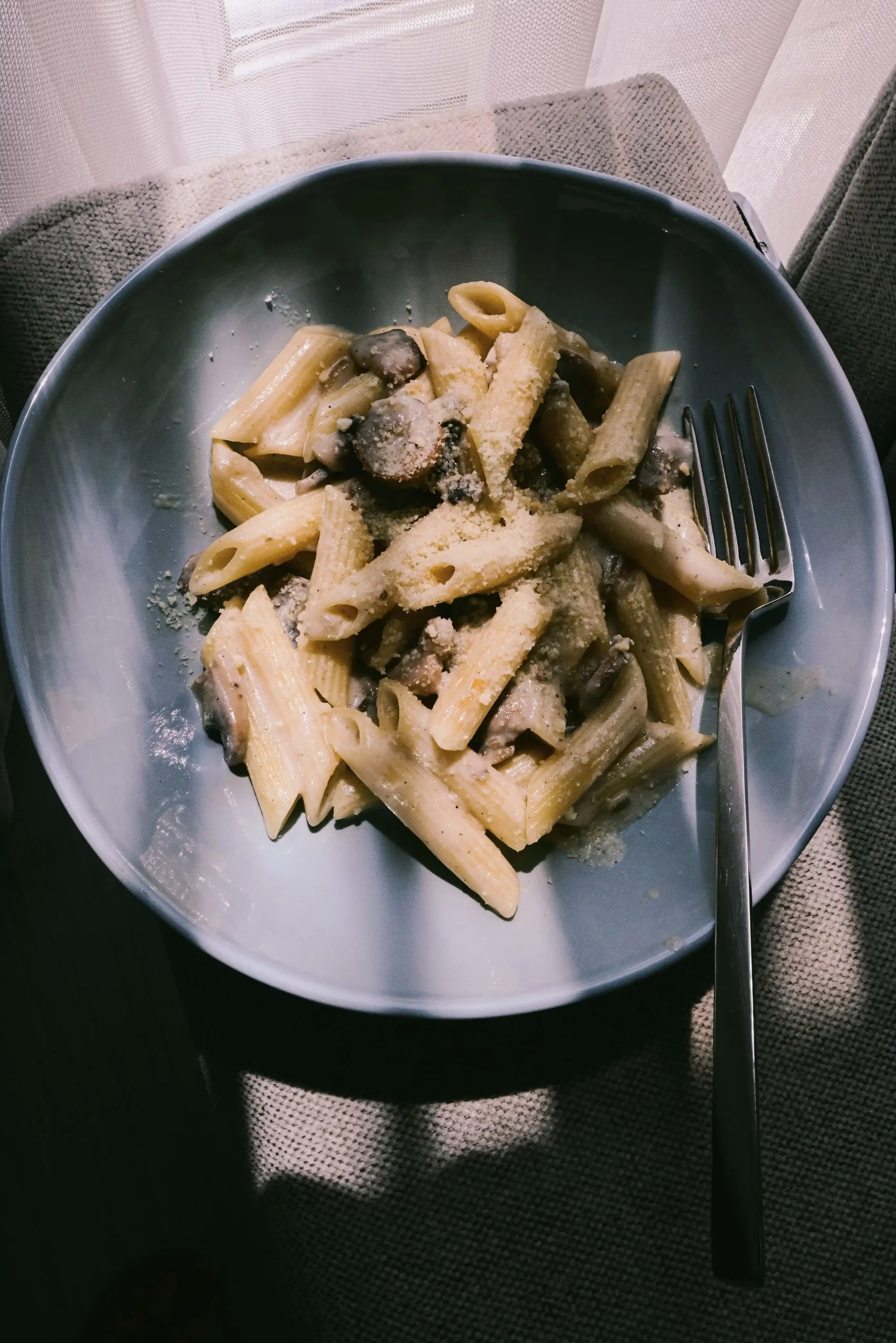
Comfort food has a special place at the family dinner table. A warm bowl of creamy pasta, tender chicken, and freshly grated Parmesan can turn an ordinary evening into a satisfying meal. However, traditional creamy pasta recipes can sometimes contain large amounts of butter, heavy cream, and cheese, making them higher in calories and saturated fat than some families prefer. The good news is that you do not have to give up your favorite comfort foods to enjoy a more balanced dinner.
This Creamy Garlic Chicken Pasta with Spinach and Parmesan brings together everything people love about classic comfort food while using simple ingredients to create a lighter, flavorful sauce. Tender chicken provides protein, spinach adds color and nutrients, and garlic gives the dish a rich aroma. Parmesan cheese adds a savory finish, while milk and a little pasta water help create a creamy texture without relying entirely on heavy cream.
Whether you are preparing dinner after a busy workday, feeding hungry children, or looking for a practical recipe to add to your weekly meal plan, this healthy creamy chicken pasta is an easy option. It uses familiar ingredients, requires straightforward cooking techniques, and can be prepared in approximately 35 minutes. Most importantly, it shows that healthier family dinners can still feel comforting, delicious, and satisfying.
Why This Creamy Garlic Chicken Pasta Is a Healthier Comfort Food
The secret to making comfort food healthier is not removing everything that makes it enjoyable. Instead, it involves choosing ingredients thoughtfully and adjusting cooking methods to preserve flavor while improving the overall nutritional balance.
This creamy garlic chicken pasta uses lean chicken breast as its main protein source. Chicken helps make the meal filling and supports muscle maintenance and repair. Pairing it with pasta provides carbohydrates for energy, while spinach contributes fiber, folate, vitamin K, and other important nutrients.
The sauce also gets a lighter makeover. Rather than using a large quantity of heavy cream, this recipe combines milk, Parmesan cheese, and reserved pasta water. The result is a smooth, flavorful coating that brings the ingredients together without making the dish excessively rich.
Garlic, black pepper, Italian seasoning, and a small amount of olive oil provide additional flavor. These ingredients help reduce the need for excessive salt or butter while keeping the meal enjoyable.
Another advantage is flexibility. You can use whole-wheat pasta for additional fiber, substitute a portion of the chicken with white beans, or add more vegetables depending on your family’s preferences. These small changes can make a familiar dinner more balanced without turning it into an entirely different dish.
Creamy Garlic Chicken Pasta With Spinach and Parmesan Recipe
Preparation time: 10 minutes
Cooking time: 25 minutes
Total time: Approximately 35 minutes
Servings: 4
Difficulty: Easy
Ingredients
For the pasta and chicken:
- 12 ounces (340 grams) pasta, such as penne, fettuccine, or rotini
- 1 pound (450 grams) boneless, skinless chicken breast, cut into bite-sized pieces
- 2 teaspoons olive oil, divided
- 5 cloves garlic, minced
- 4 cups fresh baby spinach
- 1 teaspoon Italian seasoning
- 1/2 teaspoon paprika
- 1/2 teaspoon black pepper, or to taste
- 1/2 teaspoon salt, or to taste
- 1/4 teaspoon red pepper flakes, optional
For the lighter creamy Parmesan sauce:
- 1 cup low-fat milk
- 1/2 cup freshly grated Parmesan cheese
- 1/2 cup low-sodium chicken broth
- 1 teaspoon cornstarch mixed with 1 tablespoon cold water, optional for a thicker sauce
- 1/2 teaspoon lemon juice, optional
- 1/4 to 1/2 cup reserved pasta water, as needed
For serving:
- Extra grated Parmesan cheese
- Freshly ground black pepper
- Chopped fresh parsley, optional
Step 1: Cook the Pasta
Bring a large pot of water to a boil. Add a small amount of salt if desired, then cook the pasta according to the package instructions until al dente. The pasta should be tender but still have a slight bite in the center.
Before draining, reserve approximately half a cup of pasta water. This starchy water helps the sauce cling to the noodles and creates a smoother consistency.
Drain the pasta and set it aside. Avoid rinsing it, because the starch remaining on the surface helps the creamy sauce adhere better.
If the pasta finishes before the chicken and sauce are ready, toss it with a small splash of reserved pasta water to help prevent sticking.
Step 2: Season and Cook the Chicken
Pat the chicken pieces dry with a paper towel. Place them in a bowl and season with Italian seasoning, paprika, black pepper, and salt.
Heat one teaspoon of olive oil in a large skillet over medium-high heat. Add the chicken in a single layer, working in batches if necessary to avoid overcrowding the pan.
Cook for approximately five to seven minutes, turning the pieces occasionally, until they are golden on the outside and fully cooked in the center. Chicken should reach an internal temperature of 165°F (74°C) for food safety.
Transfer the cooked chicken to a clean plate and set aside. Keeping it out of the skillet temporarily allows you to prepare the garlic sauce without overcooking the meat.
Step 3: Build the Garlic Flavor
Reduce the heat to medium and add the remaining teaspoon of olive oil to the same skillet. Add the minced garlic and cook for about 30 to 60 seconds, stirring continuously.
Garlic releases its aroma quickly, so watch it carefully. If it becomes dark brown or burns, it can make the sauce taste bitter.
Pour in the chicken broth and use a wooden spoon to scrape up the flavorful browned bits from the bottom of the skillet. Allow the broth to simmer for approximately two minutes.
These browned bits add depth to the sauce and help create a rich, savory flavor without requiring additional butter.
Step 4: Prepare the Lighter Creamy Parmesan Sauce
Lower the heat to medium-low. Slowly pour in the milk while stirring to combine it with the broth and garlic.
Let the mixture warm gently for two to three minutes, but avoid bringing it to a vigorous boil. High heat can cause milk-based sauces to separate or develop an unpleasant texture.
Gradually stir in the grated Parmesan cheese until it melts into the sauce. Parmesan contributes a concentrated savory flavor, so a moderate amount can go a long way.
If you prefer a thicker sauce, stir in the optional cornstarch slurry. Allow the mixture to simmer gently for another minute or two, stirring frequently.
Add a small amount of reserved pasta water if the sauce becomes too thick. The goal is a smooth consistency that coats the back of a spoon without becoming heavy or pasty.
For extra brightness, stir in the optional lemon juice. Its mild acidity helps balance the richness of the cheese and makes the overall flavor feel fresher.
Step 5: Add the Spinach
Add the fresh spinach to the skillet in handfuls, stirring after each addition. It will gradually wilt into the warm sauce.
This usually takes one to two minutes. The spinach should become soft and vibrant without losing all its texture.
Adding spinach is a simple way to incorporate vegetables into a family-friendly pasta dish. Its mild flavor blends easily with garlic, Parmesan, and chicken, making it suitable for people who do not usually enjoy eating leafy greens on their own.
If your family prefers more vegetables, you can also add sliced mushrooms, diced zucchini, or halved cherry tomatoes. Cook firmer vegetables before adding the milk-based sauce so they have enough time to soften.
Step 6: Combine the Chicken and Pasta
Return the cooked chicken to the skillet, followed by the drained pasta. Toss everything gently until the chicken and noodles are evenly coated with the creamy garlic Parmesan sauce.
Add reserved pasta water one tablespoon at a time if the sauce needs loosening. Continue tossing until the sauce lightly coats every piece of pasta.
Taste the dish and adjust the seasoning as needed. Add more black pepper, a small amount of Parmesan, or a pinch of red pepper flakes if you prefer a little heat.
Allow everything to warm together for another minute. Remove the skillet from the heat once the pasta is hot and the sauce reaches your preferred consistency.
Step 7: Garnish and Serve
Divide the creamy garlic chicken pasta among four plates or shallow bowls. Finish with a light sprinkle of Parmesan cheese and freshly ground black pepper.
Chopped parsley adds color and a fresh herbal note, although it is entirely optional.
Serve immediately while the sauce is warm and smooth. A simple side salad, steamed broccoli, or roasted green beans makes an excellent accompaniment.
For a complete family dinner, serve moderate portions of pasta alongside vegetables and adjust the serving size according to individual appetites and nutritional needs.
Tips for Making Creamy Chicken Pasta Healthier
Healthy cooking is often about small adjustments that work together. You do not need to replace every ingredient or make the recipe complicated to improve its nutritional balance.
Choose Whole-Wheat Pasta
Whole-wheat pasta generally contains more fiber than regular refined pasta. Fiber supports digestive health and can help meals feel more satisfying.
Its slightly nutty flavor pairs well with garlic, chicken, spinach, and Parmesan. If your family is unfamiliar with whole-wheat pasta, try mixing equal portions of whole-wheat and regular pasta before switching completely.
Another option is a legume-based pasta made from chickpeas or lentils. These varieties can provide more protein and fiber, although their texture and cooking times differ from traditional pasta.
Use Lean Chicken
Boneless, skinless chicken breast is a convenient choice because it provides protein without the additional fat found in some other cuts.
Cutting the chicken into evenly sized pieces helps it cook consistently. Avoid leaving it in the skillet for too long, as overcooked chicken can become dry and chewy.
You can also use leftover cooked chicken. Simply add it near the end of cooking and heat it thoroughly before serving.
Keep the Sauce Creamy Without Excessive Heavy Cream
A creamy texture does not always require a large amount of heavy cream. Milk, Parmesan, broth, and pasta water can create a satisfying sauce when combined carefully.
Parmesan has a strong savory flavor, which means a moderate quantity can still make the dish taste rich. Freshly grated cheese often melts more smoothly than some pre-shredded varieties that contain anti-caking agents.
For a dairy-free version, use an unsweetened plant-based milk suitable for cooking, dairy-free Parmesan-style cheese, and vegetable broth. Check product labels because plant-based alternatives vary considerably in protein, sodium, and texture.
Add More Vegetables
Spinach is only the beginning. Mushrooms, broccoli florets, bell peppers, peas, and zucchini all work well in creamy chicken pasta.
Vegetables contribute vitamins, minerals, fiber, and variety. They can also increase the volume of the meal without requiring a proportionate increase in pasta or cheese.
For picky eaters, chop vegetables into small pieces and combine them with the sauce. You can also serve extra vegetables on the side so everyone can choose what they enjoy.
Be Mindful of Salt
Chicken broth and Parmesan already contribute sodium, so additional salt may not be necessary in large amounts.
Choose low-sodium broth when possible, taste the sauce before adding extra seasoning, and use garlic, herbs, black pepper, and lemon juice to strengthen the flavor.
If you are following a sodium-restricted diet, check the labels on your broth, cheese, and other packaged ingredients.
Easy Variations for Different Family Preferences
One of the best features of this healthy creamy chicken pasta recipe is how easily it can be adapted.
For a spicy version, increase the red pepper flakes or add a little cayenne pepper. Keep the heat mild if you are serving children or anyone who prefers gentle flavors.
For a mushroom and chicken pasta, sauté sliced mushrooms after cooking the chicken and before adding the garlic. Allow the mushrooms to release their moisture and develop a little color for a deeper, earthier flavor.
For extra vegetables, add steamed broccoli, peas, or zucchini. Broccoli provides a pleasant texture, while peas add a touch of sweetness that balances the savory Parmesan sauce.
For a higher-fiber dinner, choose whole-wheat pasta and increase the spinach or add white beans. Beans provide additional fiber and plant-based protein, helping make the meal more filling.
If you prefer chicken thighs, boneless, skinless thighs can replace chicken breast. They tend to remain moist and have a slightly richer flavor, though the nutritional content will differ.
For a lighter dairy-free alternative, use an unsweetened plant-based milk and dairy-free cheese. You may need to adjust the seasoning and thickening method because dairy-free products behave differently when heated.
What to Serve With Creamy Garlic Chicken Pasta
A balanced family dinner can include pasta, protein, vegetables, and a complementary side dish. Since the main recipe already contains chicken and spinach, you can keep the sides simple.
A fresh green salad with cucumber, tomatoes, and a lemon vinaigrette adds a crisp contrast to the creamy sauce. Roasted broccoli or green beans provide another easy vegetable option.
If you enjoy bread with pasta, serve a small portion of whole-grain bread or toasted garlic bread. The whole-grain option provides additional fiber, while garlic bread offers a more traditional comfort-food experience.
For a lighter dessert, consider fresh fruit, sliced oranges, or berries. These choices provide natural sweetness without making the meal feel overly heavy.
You do not need to prepare several elaborate side dishes. One simple vegetable side or salad is often enough to round out the dinner.
Meal Prep and Storage Tips
This creamy chicken pasta can work well for meal planning, especially when you want a home-cooked dinner ready for a busy evening.
To save time, cut the chicken and mince the garlic in advance. Wash the spinach, measure the seasonings, and grate the Parmesan before you start cooking.
You can also cook the pasta and chicken ahead of time, then prepare the sauce shortly before serving. This approach helps preserve the sauce’s smooth texture.
Store leftovers in an airtight container in the refrigerator within two hours of cooking. Keep them refrigerated at 40°F (4°C) or below and use them within three to four days.
When reheating, add a small splash of milk, broth, or water to loosen the sauce. Warm the pasta gently in a skillet over medium-low heat, stirring occasionally, or use a microwave-safe container and reheat in short intervals. Stir between intervals to distribute the heat evenly. Reheat leftovers to 165°F (74°C).
Creamy sauces may thicken or separate slightly after refrigeration, so gradual reheating and added liquid can help restore a more appealing consistency.
Freezing is possible, but milk-based sauces can change texture after thawing. For better results, freeze the cooked chicken separately and prepare the sauce and pasta fresh when practical.
Common Mistakes to Avoid
One common mistake is cooking the garlic for too long. Burned garlic can overpower the sauce, so add it after the chicken has been removed and stir it briefly before adding the broth.
Another mistake is boiling the milk-based sauce too vigorously. Gentle heat helps the milk and Parmesan combine smoothly. Keep the temperature moderate and stir regularly.
Overcooking the chicken can also affect the finished dish. Cut the meat evenly, check that it reaches a safe internal temperature, and remove it from the skillet once cooked.
Adding all the pasta water at once may make the sauce too thin. Start with a small amount and add more gradually until the sauce coats the pasta properly.
Finally, avoid adding too much cheese or salt before tasting the sauce. Parmesan is naturally savory, and the broth may already contain sodium. Taste first, then make small adjustments.
Frequently Asked Questions
Can I make creamy garlic chicken pasta without heavy cream?
Yes. This recipe uses low-fat milk, chicken broth, Parmesan cheese, and reserved pasta water to create a creamy sauce. A little cornstarch slurry can help thicken it if needed. The texture will be lighter than a sauce made with heavy cream but still flavorful and satisfying.
What is the best pasta for creamy garlic chicken pasta?
Penne, rotini, and fettuccine are all good choices. Penne and rotini hold sauce in their ridges and shapes, while fettuccine offers a classic creamy-pasta presentation. Whole-wheat varieties are useful if you want to increase the fiber content.
Can I use frozen spinach?
Yes. Thaw the spinach and squeeze out excess water before adding it to the sauce. Frozen spinach is convenient and can be a practical alternative when fresh spinach is unavailable.
How can I make this recipe more filling?
Use a balanced combination of chicken, pasta, and vegetables. Whole-wheat pasta, additional spinach, mushrooms, or white beans can increase fiber and overall meal volume. Adjust the portion sizes to suit your appetite and dietary needs.
Is creamy garlic chicken pasta good for meal prep?
Yes, although the sauce may thicken during refrigeration. Store the pasta in airtight containers and add a little milk or broth when reheating. Refrigerate promptly and consume within three to four days.
Can I prepare this recipe for children?
Yes. The recipe uses familiar ingredients and mild seasonings. Leave out the red pepper flakes if you prefer a milder flavor, cut the chicken into age-appropriate pieces, and serve vegetables in a form your children enjoy.
Make Family Comfort Food More Balanced
Creamy Garlic Chicken Pasta with Spinach and Parmesan shows that a satisfying comfort-food dinner does not need to rely on excessive cream, butter, or complicated cooking methods. With lean chicken, garlic, milk, Parmesan, and fresh spinach, you can create a warm, flavorful meal that fits into a balanced eating pattern.
The recipe is practical enough for weeknight dinners and flexible enough to accommodate different family preferences. You can switch the pasta, add seasonal vegetables, adjust the seasoning, or prepare ingredients ahead of time without losing the dish’s comforting character.
The key is to focus on balance rather than restriction. Keep the flavors you love, include ingredients that contribute useful nutrients, and choose portions that suit your household. When healthier cooking remains enjoyable and convenient, it becomes easier to make home-cooked meals part of your regular routine.
For families looking for easy healthy dinner recipes, this creamy garlic chicken pasta is a reliable place to start. It delivers the familiar appeal of a creamy pasta dish while making room for protein, vegetables, and thoughtful ingredient choices at the dinner table.
Leave a Reply