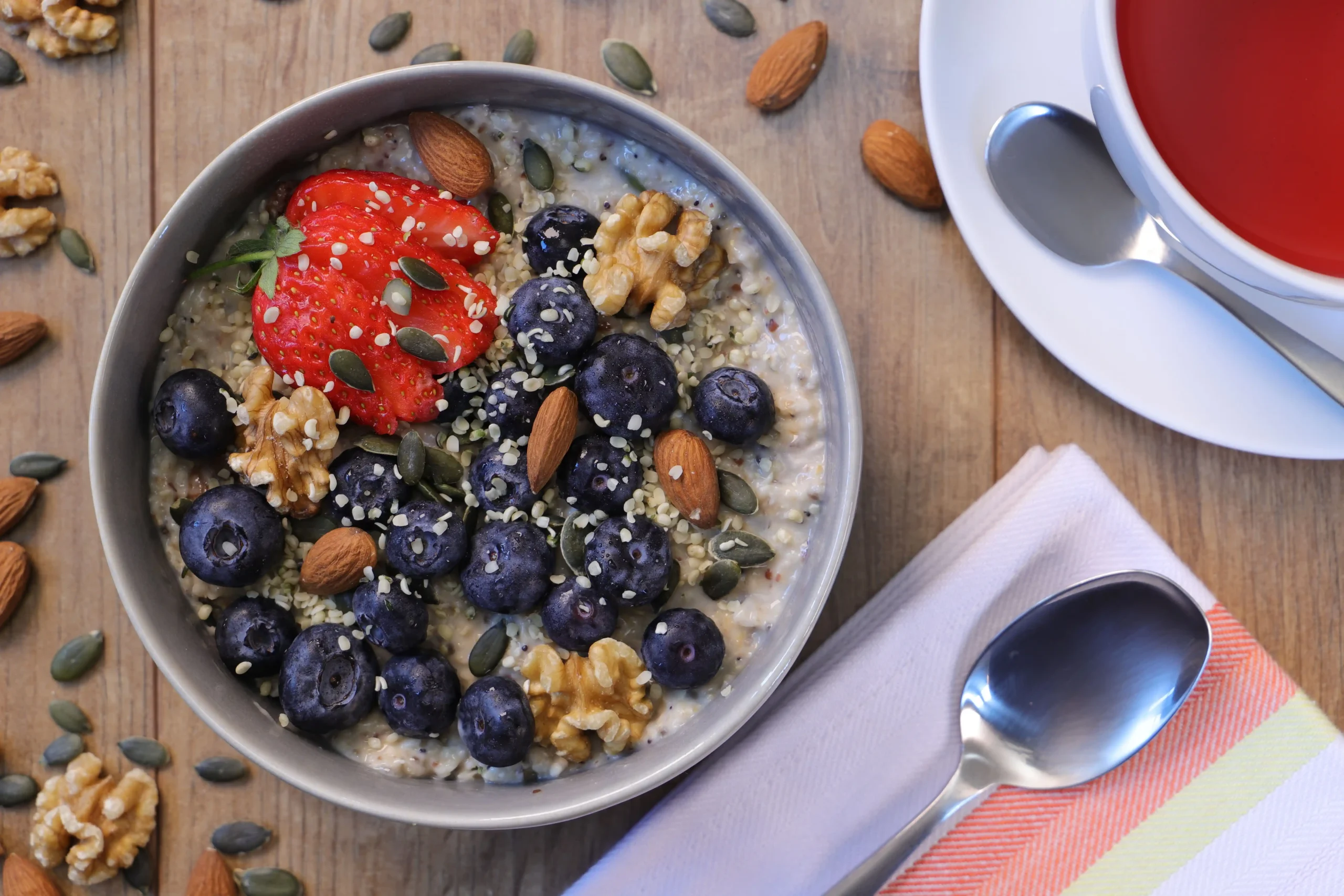
Introduction: Understanding the Truth About Superfoods
Superfoods have become a major topic in the health and wellness industry, with products such as chia seeds, goji berries, spirulina, matcha, and exotic fruit powders frequently promoted as essential additions to a healthy lifestyle. From social media influencers to nutrition brands, consumers are constantly exposed to claims that certain foods can improve energy, support weight management, strengthen immunity, and promote overall wellness. While many of these foods contain valuable nutrients, their popularity often raises an important question: Are expensive health foods really necessary for good nutrition?
The truth is that a healthy diet does not have to depend on premium products, imported ingredients, or expensive supplements. Although some foods marketed as superfoods offer impressive nutritional benefits, many affordable everyday ingredients provide similar vitamins, minerals, fiber, antioxidants, and other essential nutrients. What matters most is the overall quality and variety of the foods you eat consistently, rather than how much you spend on individual ingredients.
Understanding the relationship between superfoods and everyday nutrition can help consumers make informed food choices, avoid misleading marketing claims, and build a sustainable eating routine. By learning how to recognize nutrient-dense foods, compare affordable alternatives, and focus on balanced meals, it becomes easier to support long-term health without stretching the grocery budget.
What Are Superfoods, and Why Are They Popular?
The term superfood is commonly used to describe foods that contain high concentrations of beneficial nutrients, including vitamins, minerals, fiber, healthy fats, and antioxidants. Popular examples include blueberries, chia seeds, kale, quinoa, avocado, salmon, and nuts. These foods can contribute to a balanced diet, but the term itself does not have a standardized scientific or regulatory definition that automatically guarantees exceptional health benefits.
Superfoods have gained popularity partly because consumers are increasingly interested in preventive health, fitness, natural ingredients, and convenient ways to improve their diets. Food companies have responded by creating products that highlight particular ingredients and their nutritional properties. Attractive packaging, celebrity endorsements, and social media trends can make certain foods appear more beneficial than ordinary grocery staples.
However, nutritional value should not be confused with marketing popularity. A food does not automatically become healthier simply because it is expensive, imported, organic, or labeled as a superfood. For example, locally available vegetables can provide important vitamins and minerals at a lower cost than specialty greens. Traditional beans, eggs, oats, and seasonal fruits can also contribute significantly to daily nutrient intake.
Rather than searching for a single miracle ingredient, consumers benefit more from understanding how different foods work together. A varied diet that includes vegetables, fruits, whole grains, protein sources, and healthy fats is generally a more practical foundation for good nutrition than relying on a small selection of fashionable health foods.
Chia Seeds: A Small Food With Valuable Nutrients
Chia seeds are widely recognized as a nutrient-dense food because they contain dietary fiber, plant-based omega-3 fatty acids, protein, and several minerals. They are especially popular among people who prepare overnight oats, smoothies, yogurt bowls, and homemade puddings.
One of the main nutritional benefits of chia seeds is their fiber content. Fiber supports digestive health, helps maintain regular bowel movements, and can contribute to feelings of fullness when included in balanced meals. Chia seeds also absorb liquid and develop a gel-like consistency, making them useful for creating satisfying breakfast recipes and snacks.
Chia seeds contain alpha-linolenic acid, or ALA, a plant-based omega-3 fatty acid. The body needs omega-3 fats for normal physiological functions, although ALA is not identical to the omega-3 fatty acids EPA and DHA found in certain seafood. The body converts ALA into EPA and DHA only in limited amounts, so different food sources provide different nutritional benefits.
Despite these advantages, chia seeds are not essential for everyone. Affordable alternatives such as ground flaxseeds, oats, beans, and other fiber-rich foods can also help people meet their nutritional needs. Ground flaxseeds provide ALA and fiber, while oats contribute soluble fiber that supports healthy cholesterol levels as part of an appropriate diet.
For people who enjoy chia seeds, adding a small amount to oatmeal, yogurt, or smoothies can be a convenient way to increase dietary variety. However, consumers should avoid assuming that eating chia seeds alone will produce dramatic weight loss or prevent disease. Their benefits are best understood as part of an overall healthy eating pattern.
Berries: Antioxidants and Everyday Fruit Choices
Berries are frequently featured in discussions about superfoods because they provide vitamins, fiber, and plant compounds called polyphenols. Blueberries, strawberries, raspberries, and blackberries are popular choices, particularly for people interested in heart health and antioxidant-rich foods.
Antioxidants help protect cells from oxidative damage associated with normal biological processes. Berries contain several beneficial plant compounds, including anthocyanins, which give many varieties their red, blue, and purple colors. Research has examined the relationship between berry consumption and cardiovascular health, cognitive function, and other health outcomes. However, findings from individual studies do not mean that berries can prevent every disease or replace medical treatment.
Fresh berries can be an excellent addition to breakfast, snacks, and desserts, but their price may vary considerably depending on location, season, and availability. Imported blueberries and raspberries, for example, can be more expensive than locally grown fruits in many markets.
Fortunately, a nutritious diet does not require a particular type of berry. Bananas, papayas, oranges, guavas, pineapples, and other seasonal fruits provide different combinations of vitamins, minerals, fiber, and beneficial plant compounds. Guava is particularly notable for its vitamin C content, while papaya supplies vitamin C and carotenoids. Choosing fruits that are affordable and readily available can make healthy eating easier to maintain.
Frozen berries can also be a practical option when fresh varieties are expensive or difficult to find. Unsweetened frozen fruit generally retains many of its nutrients and can be stored for longer periods, helping reduce food waste. Comparing the cost per serving of fresh, frozen, and locally available fruit can help households choose the most economical option.
The most important lesson is that eating a variety of fruits consistently matters more than purchasing one premium fruit simply because it has a superfood reputation.
Leafy Greens: Everyday Vegetables With Significant Benefits
Leafy green vegetables are among the most practical foods to include in a balanced diet. Spinach, kale, pechay, kangkong, lettuce, and other greens supply important nutrients, including folate, vitamin K, and carotenoids. Depending on the variety, they may also provide vitamin C, iron, calcium, and dietary fiber.
These nutrients support several normal body functions. Folate is necessary for DNA synthesis and cell division, vitamin K contributes to normal blood clotting, and carotenoids such as beta-carotene can be converted into vitamin A when needed. Including different vegetables helps improve the variety of nutrients available in everyday meals.
Kale is often promoted as a premium superfood, but it is not the only vegetable capable of supporting good nutrition. Locally available leafy greens can provide many of the same categories of essential nutrients and may be considerably more affordable. In the Philippines, kangkong and pechay can be incorporated into soups, stir-fries, vegetable dishes, and other familiar meals.
Vegetables do not need to be prepared in complicated ways to be nutritious. Steaming, sautéing, boiling, and adding chopped greens to soups are simple approaches to increasing vegetable intake. Combining vegetables with protein sources and carbohydrate-rich foods can also make meals more satisfying and nutritionally balanced.
It is worth remembering that different vegetables have different nutritional profiles. Spinach, for instance, contains iron, but its iron is non-heme iron, which the body absorbs less efficiently than the heme iron found in meat and seafood. Pairing plant sources of iron with vitamin C-rich foods can improve non-heme iron absorption.
Instead of focusing exclusively on expensive organic greens or imported vegetable powders, consumers can build healthier meals by purchasing a variety of fresh, frozen, or appropriately stored vegetables that fit their budget.
Whole Foods Versus Expensive Health Products
Whole foods are foods that remain relatively close to their natural form or undergo minimal processing. Examples include fruits, vegetables, eggs, beans, fish, whole grains, nuts, and plain yogurt. These foods can supply a broad range of nutrients without requiring specialty packaging or premium branding.
Many expensive health products are convenient, but convenience does not necessarily mean superior nutrition. A smoothie powder, greens supplement, or packaged superfood blend may contain selected vitamins and plant compounds, yet it may not provide the same amount of fiber, fullness, or variety as a meal made from whole ingredients. Some products also contain added sugars, flavorings, or other ingredients that consumers may not expect.
For example, eating an orange provides vitamin C, water, and fiber within the fruit’s natural structure. A sweetened fruit drink may provide some vitamins but can contain added sugar and less fiber. Similarly, eating a serving of beans provides fiber and plant protein, while a highly processed snack marketed as a protein product may contain additional ingredients that are less useful for an individual’s dietary goals.
This does not mean that every packaged food is unhealthy or that all supplements are unnecessary. Frozen vegetables, canned beans, canned fish, fortified foods, and plain packaged oats can be nutritious and convenient. The important distinction is between evaluating a product based on its actual ingredients and nutritional content versus relying entirely on health claims printed on its packaging.
A balanced diet can include both fresh and processed foods. The goal is to choose products that provide useful nutrients, fit personal needs, and support an eating pattern that can be maintained over time.
Are Organic and Imported Superfoods Worth the Extra Cost?
Organic foods and imported health products can appeal to consumers who prioritize specific farming practices, taste preferences, availability, or personal values. However, organic certification and premium pricing do not automatically mean that a food contains substantially more nutrients or provides greater health benefits in every situation.
The nutritional value of produce depends on several factors, including the food variety, growing conditions, maturity at harvest, storage, and preparation. Organic and conventionally grown fruits and vegetables can both contribute to a healthy diet. Choosing organic foods is a personal decision, but it should not become a barrier to purchasing fruits and vegetables altogether.
Imported superfoods can also be worthwhile when they offer a particular flavor, nutrient, or convenience that someone values. Nevertheless, consumers should consider whether a less expensive alternative can meet the same general dietary purpose. For example, locally available seeds may provide healthy fats and fiber, while familiar legumes can supply protein, fiber, and minerals at a lower cost than some specialty powders.
When shopping, compare the price per serving, serving size, ingredient list, and nutrient content. A large package may appear economical but could be less affordable per serving than a smaller alternative. Similarly, a product promoted as rich in antioxidants may contain only a small quantity of its featured ingredient.
The best purchase is not necessarily the cheapest item or the most expensive one. It is the food that offers useful nutritional value, suits your needs, and fits comfortably within your budget.
How to Build a Nutritious Diet Without Overspending
Eating well on a budget begins with planning rather than purchasing trendy ingredients. A simple weekly meal plan can help households identify which foods they need, reduce unnecessary purchases, and make better use of ingredients already available at home.
Start by building meals around affordable staples such as rice, oats, potatoes, whole-grain products when available, beans, eggs, tofu, fish, and seasonal vegetables. Add fruits that are in season and include healthy fat sources such as nuts, seeds, or appropriate amounts of cooking oils. This approach provides a foundation for balanced meals without requiring specialty health products.
Combining different food groups is another useful strategy. A meal containing rice, fish, and sautéed vegetables provides carbohydrates, protein, and a range of vitamins and minerals. Oatmeal with banana and ground flaxseeds can offer fiber and energy for breakfast. Eggs with vegetables and whole-grain toast can also provide a practical combination of nutrients.
Shopping lists can help prevent impulse purchases driven by advertising or social media trends. Before buying a superfood powder or premium snack, ask whether it fills a genuine nutritional need, whether you will use it regularly, and whether a more affordable alternative is available.
Frozen vegetables and fruit can be useful when fresh products spoil quickly or are expensive. Dried beans, lentils, oats, and other pantry staples can also offer good value because they can be stored for longer periods. Cooking larger portions and using leftovers safely may further reduce food costs.
Consistency is more important than perfection. A healthy diet does not require every meal to contain an expensive ingredient or every snack to be labeled natural, organic, or superfood-rich. Small improvements repeated over time can make a meaningful contribution to overall dietary quality.
How to Recognize Misleading Superfood Marketing Claims
Health and nutrition marketing can make ordinary foods appear extraordinary. Terms such as detoxifying, metabolism-boosting, fat-burning, and immune-boosting are often used to attract attention, but their meaning and supporting evidence can vary considerably.
A product containing antioxidants does not automatically detoxify the body. The liver and kidneys already perform essential functions involved in processing substances and removing waste. Likewise, a food that contains fiber may support fullness and digestive health, but that does not mean it directly burns body fat or guarantees weight loss.
Be cautious of products promising rapid results, dramatic transformations, or protection against a wide range of diseases. A claim that sounds too good to be true deserves careful evaluation. Reliable nutrition information usually acknowledges limitations, distinguishes established evidence from emerging research, and avoids promising identical results for everyone.
Consumers should also distinguish between nutrient content and proven health outcomes. A food may contain a particular vitamin or plant compound, but the presence of that substance alone does not establish that consuming the product will prevent or treat a disease. Research findings may depend on the amount consumed, the population studied, and the overall dietary pattern.
Reading nutrition labels can help identify serving sizes, calories, fiber, protein, added sugars, sodium, and other relevant details. For supplements, consumers should examine ingredient amounts, potential interactions, and the quality of the available evidence. People who are pregnant, take medication, or have medical conditions should seek appropriate professional advice before using concentrated supplements.
A healthy skepticism toward marketing does not mean rejecting every new food trend. It means making decisions based on credible evidence, realistic expectations, and individual nutritional needs.
Do You Need Supplements to Get Enough Nutrients?
Supplements can be helpful when a person has a diagnosed deficiency, cannot obtain enough of a nutrient from food, or has a specific need identified by a qualified healthcare professional. Certain life stages and medical circumstances may require additional attention to nutrients such as folate, vitamin B12, iron, vitamin D, or calcium.
However, supplements are not automatically necessary for everyone who wants to improve their nutrition. For many people, a varied diet can provide a substantial portion of their nutritional requirements. Whether supplementation is appropriate depends on individual circumstances, food intake, health conditions, medications, and other factors.
Superfood powders and multivitamins should not be viewed as substitutes for balanced meals. They may supply selected nutrients but cannot necessarily replicate the full combination of fiber, protein, healthy fats, and beneficial plant compounds found in whole foods.
Taking excessive amounts of certain vitamins and minerals can also cause harm. Fat-soluble vitamins, including vitamins A, D, E, and K, require particular care because some can accumulate in the body. High doses of minerals such as iron can also be dangerous when taken unnecessarily.
Before purchasing an expensive supplement, consider whether there is a clear reason to use it and whether the product has reliable quality information. A registered dietitian or qualified healthcare professional can help determine whether supplementation is appropriate for your situation.
The Role of Variety and Consistency in Everyday Nutrition
One of the most important principles of healthy eating is dietary variety. No single food provides every nutrient the body needs in ideal amounts. Eating different fruits, vegetables, protein sources, grains, and healthy fats helps create a more balanced nutritional pattern.
Variety also makes healthy eating more enjoyable. Rotating vegetables, trying different beans, choosing various fruits, and changing protein sources can prevent meals from becoming repetitive. It can also make it easier to benefit from the different nutrients found in a broad range of foods.
Consistency matters because nutritional habits develop through repeated choices. Eating vegetables with lunch and dinner, including fruit as a snack, choosing fiber-rich carbohydrates, and incorporating appropriate protein sources are practical habits that can be maintained without expensive purchases.
It is equally important to consider individual needs. Someone who exercises regularly may have different energy and protein requirements from someone with a more sedentary routine. Children, older adults, pregnant individuals, and people managing certain health conditions may also need tailored nutritional guidance.
There is no single perfect diet for everyone. A sustainable approach takes personal preferences, culture, budget, accessibility, and health requirements into account. Rather than following every new food trend, focus on building a pattern of eating that is realistic and nutritionally adequate.
Conclusion: Good Nutrition Is About More Than Expensive Superfoods
Superfoods such as chia seeds, berries, and leafy greens can contribute valuable nutrients to a healthy diet, but they are not the only path to better nutrition. Affordable everyday foods, including bananas, papayas, kangkong, pechay, oats, beans, eggs, and fish, can also support a varied and balanced eating pattern.
The most important factor is not whether a food has a fashionable label or comes in premium packaging. It is how that food contributes to your overall diet, whether it meets your nutritional needs, and whether you can afford to include it consistently.
By choosing a variety of whole foods, planning meals, comparing prices, and questioning exaggerated marketing claims, consumers can make informed decisions without spending unnecessarily on expensive health products. Supplements and specialty foods may have a place when they serve a specific purpose, but they should not distract from the fundamentals of healthy eating.
Ultimately, everyday nutrition is built through practical choices repeated over time. You do not need a cupboard full of expensive powders or imported superfoods to eat well. A balanced, varied, and affordable diet can provide a strong foundation for long-term health and well-being.
Leave a Reply