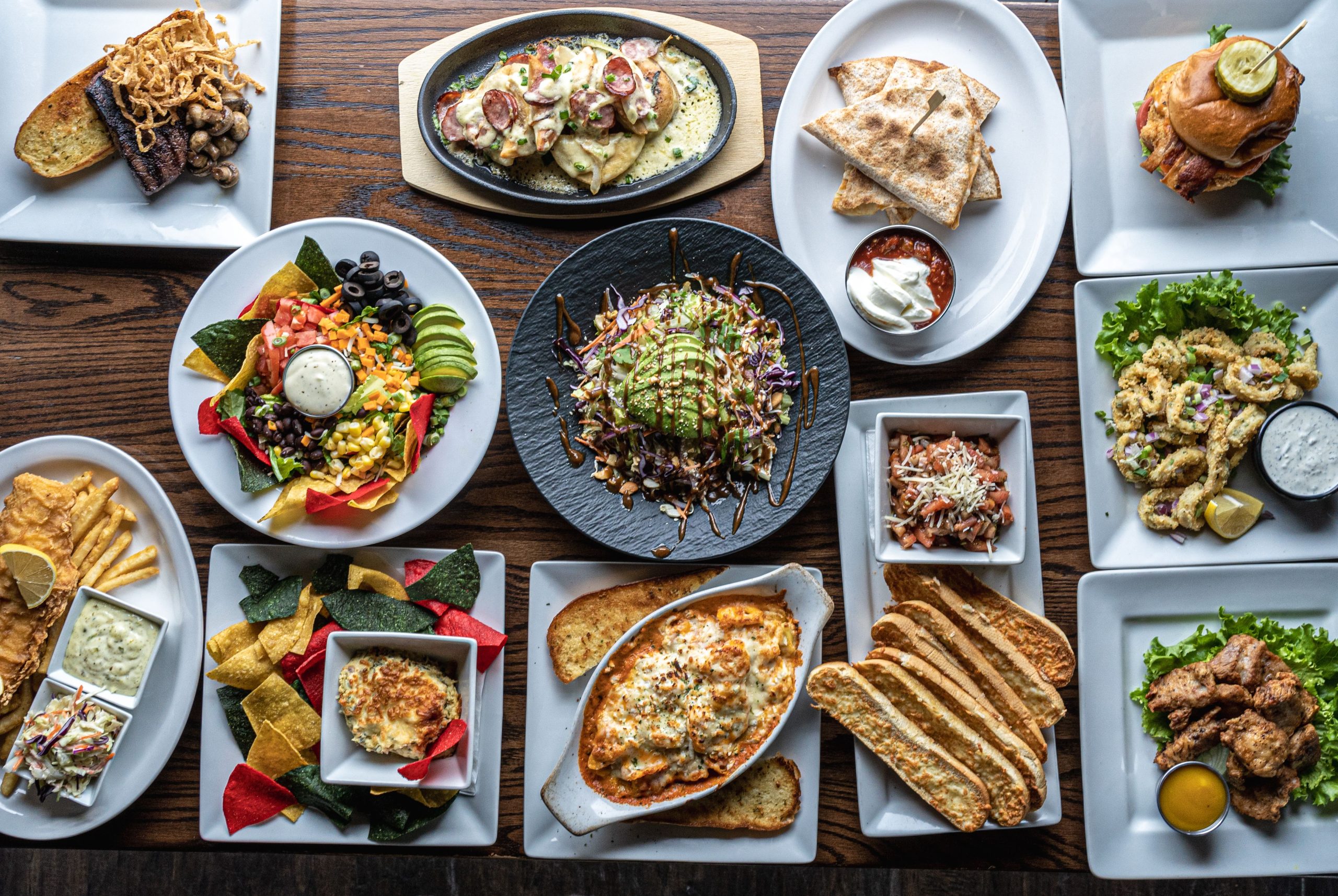
There is something about October that makes people want to cook again. The first genuinely cool evenings, earlier sunsets and return of sweaters create an appetite for meals that feel warm, familiar and substantial. Suddenly, salads that felt perfect in July can seem less exciting, while soups, casseroles, roasted vegetables, baked pasta, chili and creamy one-pan dinners begin sounding much more appealing. Comfort food has officially returned to the conversation, but there is an important difference between the comfort food people remember and the comfort food many people actually want today. October’s modern comfort food is not necessarily about spending three hours preparing a complicated family recipe or filling the kitchen with every pot you own. It is about getting the emotional satisfaction of a cozy meal without sacrificing an entire evening to make it. Current October recipe coverage is filled with exactly that kind of food: creamy soups, casseroles, chili, baked pasta, sheet-pan dinners and one-pot meals that bring seasonal comfort while keeping preparation manageable.
The traditional image of comfort food has always been generous. It is the bubbling casserole coming out of the oven, the pot of chili simmering on the stove, the roast that fills the house with an unmistakable Sunday-dinner smell, or the macaroni and cheese served in a dish large enough to feed everyone at the table. These foods are associated with memories as much as flavor. They remind people of childhood kitchens, family gatherings, holidays, rainy weekends and meals prepared by someone who knew exactly what would make everyone feel better. That emotional connection is not disappearing. In fact, nostalgia remains a major force in the 2026 food conversation. But the way people recreate nostalgic food is changing. Instead of reproducing every time-consuming step exactly as it was done decades ago, today’s cooks are increasingly willing to simplify, substitute and modernize. The goal is still comfort. The path to getting there is simply more practical.
That shift makes perfect sense because the average weekday has not suddenly become less busy just because October arrived. People are working, commuting, caring for children, managing households, exercising, answering messages and trying to maintain some kind of personal life. The fantasy of leisurely cooking is lovely, but most dinners happen after a long day when energy is limited. This is why convenience has become one of the defining features of modern comfort food. A meal can still be rich, satisfying and seasonal while requiring one pan instead of four. A soup can be built around rotisserie chicken. A casserole can use ingredients already sitting in the pantry. A slow cooker can handle the main cooking while everyone gets on with the rest of the evening. Delish’s current fall coverage, for example, is highlighting one-pan chicken dinners specifically because they deliver cozy meals without leaving cooks with a sink full of dishes.
The modern makeover is therefore not about making comfort food less comforting. It is about removing unnecessary friction. A good October dinner should ideally answer several questions at once: Does it taste satisfying? Is it warm and seasonal? Can it feed more than one person? Can leftovers become tomorrow’s lunch? Can it be prepared without requiring an advanced culinary degree? And perhaps most importantly, will making it leave you with enough energy to actually enjoy the evening? That last question is becoming increasingly important in food culture. A recipe is not truly convenient if preparation takes an hour and cleanup takes another forty-five minutes.
One-pot meals have become particularly appealing because they solve that problem elegantly. Soups, stews, skillet pastas, chili, rice dishes and baked meals allow ingredients to build flavor together while reducing cleanup. The technique may be simple, but the result does not have to taste simple. A pot of white chicken chili can combine creamy beans, tender chicken, green chiles and warming spices. A skillet meal can bring together ground meat, vegetables and a flavorful sauce. A baked pasta can deliver the familiar richness people want from comfort food while incorporating vegetables or additional protein. The current fall recipe landscape is full of these combinations because they work with the reality of busy evenings.
Casseroles are having their own modern moment for the same reason. The word casserole sometimes sounds old-fashioned, but the format is almost perfectly designed for contemporary life. You can assemble one ahead of time, use leftovers strategically, feed multiple people and often reheat the finished dish without losing much quality. Current fall food coverage includes everything from chicken casseroles to high-protein versions built around vegetables, beans, lean meats and whole grains. EatingWell’s October coverage features casseroles with at least 15 grams of protein per serving, including chicken, beef, beans, vegetables and whole grains. The message is clear: comfort and nourishment do not have to be opposing ideas.
This is one of the most interesting changes in the comfort-food conversation. For years, “healthy” food and “comfort” food were often presented as two completely separate categories. Healthy meals were expected to be light, restrained and virtuous. Comfort meals were expected to be indulgent, rich and occasionally excessive. But today’s home cooks increasingly want both. They want the warm bowl of chili, but they also want enough protein to make dinner satisfying. They want creamy pasta, but they may want vegetables incorporated into it. They want a casserole, but they may want it to function as a complete meal rather than simply being one component of dinner.
That does not mean every comfort meal needs to be optimized. Food does not have to justify itself nutritionally before it is allowed to be enjoyable. A slice of pie can simply be pie. Macaroni and cheese can simply be macaroni and cheese. Part of comfort food’s appeal is precisely that it provides pleasure without requiring an explanation. The modern approach is more about expanding the possibilities. There is room for indulgence and room for nutrient-dense comfort. There is room for traditional recipes and room for updated versions. There is room for a slow Sunday dinner and a fifteen-minute Tuesday-night solution.
Seasonal ingredients are also helping redefine familiar dishes. October naturally brings apples, squash, sweet potatoes, pumpkin, Brussels sprouts, root vegetables, cabbage and warming spices into the kitchen. These ingredients can make ordinary meals feel distinctly autumnal without requiring complicated techniques. Roasted sweet potatoes can become part of a grain bowl. Butternut squash can be folded into macaroni and cheese. Apples can accompany roasted chicken. Pumpkin can add depth to baked goods, soups or pasta. Cabbage can become a hearty component of a casserole. Food & Wine’s October recipe coverage reflects this combination of seasonal comfort and creative adaptation, pairing traditional fall flavors with global influences and unexpected techniques.
That global influence is another part of the makeover. Modern comfort food is no longer limited to one definition of what “cozy” tastes like. A Japanese curry can be comfort food. A Mexican-inspired chicken casserole can be comfort food. Vietnamese rice dishes can be comfort food. Indian-inspired stews can be comfort food. A bowl of noodles can provide exactly the same emotional warmth as a classic American pot roast. Food & Wine’s current October recipe collection includes dishes influenced by Vietnamese, Japanese and Peruvian cooking alongside classic American and European comfort dishes. This broader interpretation makes comfort food more interesting because it reflects the way people actually eat today.
There is also something increasingly appealing about meals that can be customized. Families do not always agree on exactly what should be on the dinner table. One person wants spicy food, another does not. Someone wants extra vegetables, someone else wants more cheese. Someone is eating more protein, someone else simply wants a bowl of soup. Modern comfort food can accommodate those differences more easily when the base meal is flexible. A taco bowl, baked potato bar, chili, soup or sheet-pan dinner can become several different meals depending on toppings and sides. That flexibility can make dinner feel less like a negotiation.
The return of slow-cooker and make-ahead meals fits into the same philosophy. The slow cooker is not glamorous, but it understands the assignment. Put ingredients together, let time do the work and come back to dinner later. Fall has always been a natural season for slow cooking because stews, chilis, braised meats and soups benefit from long, gentle cooking. Current recipe coverage continues to emphasize the appeal of set-it-and-forget-it meals during a season when people want cozy food without spending every evening actively preparing it.
There is another modern convenience that deserves attention: prepared ingredients. Using rotisserie chicken, frozen vegetables, pre-cut produce, canned beans, jarred sauces or refrigerated dough is not cheating. It is a strategy. If using one prepared ingredient means someone is more likely to cook dinner at home instead of skipping the meal entirely, that ingredient has done its job. The current food landscape increasingly recognizes that convenience and cooking are not opposites. They can work together. Lauren Graham recently described relying on rotisserie chicken for easy meals such as tacos and stir-fries, illustrating how a prepared ingredient can become the starting point for several homemade dinners.
The same principle applies to leftovers. Modern comfort food is at its best when dinner can become tomorrow’s lunch without feeling like the exact same meal. A roasted chicken can become tacos, soup or a sandwich. Chili can become a topping for a baked potato. Roasted vegetables can be folded into eggs or grain bowls. A casserole can become lunch the next day. This kind of meal planning reduces food waste while making busy weeks easier. Instead of asking what to cook from scratch every evening, the question becomes how one meal can help create the next one.
And then there are the October foods that exist almost entirely because they make the season feel fun. Pumpkin desserts, apple pastries, cinnamon-spiced breakfasts, maple flavors, Halloween snacks and cozy drinks are not necessarily practical, but they contribute to the emotional identity of the month. Current fall grocery and food coverage is packed with seasonal products built around pumpkin, apple, cinnamon and other familiar autumn flavors. These foods remind us that eating is not only about efficiency or nutrition. It is also about anticipation. A seasonal treat can make an ordinary October afternoon feel different from an ordinary August afternoon.
That emotional component is exactly why comfort food remains so powerful. When life feels busy, people often gravitate toward foods they recognize. There is security in knowing what something will taste like. There is pleasure in repeating a family favorite. There is comfort in preparing a meal that fills the house with familiar aromas. In a world where almost everything changes quickly, food can provide a small sense of continuity.
But modern comfort food also reflects the reality that people have changed. Many households have different schedules. Families may include different dietary preferences. More people live alone or cook for one or two people. Others are feeding children while balancing work. Some are trying to increase protein or fiber. Some want affordable meals because grocery costs matter. Some want vegetarian options. Others simply want dinner to be easier. A modern comfort-food culture has to accommodate all of those realities.
Affordability is especially important. Comfort food does not have to mean expensive ingredients. Beans, lentils, potatoes, cabbage, rice, pasta, eggs, seasonal vegetables and affordable cuts of meat can create satisfying meals when they are prepared thoughtfully. In fact, some of the most comforting dishes in culinary history were born from the need to make inexpensive ingredients stretch. Modern cooking can learn from that tradition. The best meal is not necessarily the one with the most expensive ingredients. It is the one that makes people feel fed.
This is also why simplicity is becoming a broader food trend. Delish’s 2026 expert trend forecast pointed toward simpler menus, stronger ingredient identity and a move away from unnecessary complexity. The same forecast identified nostalgia as a major influence, suggesting that people are looking for food that feels familiar and satisfying rather than food created purely for spectacle. That combination explains the October comfort-food makeover perfectly: familiar enough to feel reassuring, simple enough to fit into real life and flexible enough to reflect modern tastes.
There is even a growing resistance to food created primarily for social media. Viral food can be entertaining, but novelty eventually wears off. A dish designed to produce the perfect video does not necessarily become something people want to cook every Tuesday. Food experts interviewed by Delish have pushed back against overly engineered dishes and food designed primarily to go viral, arguing that flavor and the experience of actually eating should matter more than visual spectacle. Comfort food naturally fits that philosophy. It does not need to perform. It simply needs to taste good.
That may be the real modern makeover: comfort food is becoming less about impressing people and more about taking care of them.
There is something beautiful about putting dinner on the table without turning it into a production. It might be a bowl of soup eaten under a blanket while watching television. It might be a casserole shared with family. It might be roasted chicken and vegetables after a long workday. It might be a pot of chili made on Sunday so Monday’s dinner is already handled. It might be a grilled cheese sandwich with tomato soup because that is exactly what you want. None of these meals needs to be photographed. None needs to go viral. None needs to impress anyone.
They just need to work.
And that is what makes October such a satisfying food month. It gives people permission to return to the kitchen without demanding perfection. The meals can be simple. The recipes can be flexible. The ingredients can be familiar. The shortcuts can be unapologetic. The leftovers can be intentional. The dinner can be delicious without becoming a project.
Maybe the best modern comfort-food recipe is therefore less about ingredients and more about priorities. Start with something you genuinely want to eat. Make it easier than the traditional version if necessary. Add something nourishing if it makes sense. Use shortcuts when they save time. Make enough for leftovers if tomorrow is going to be busy. And most importantly, remember that the purpose of dinner is not to create another task.
It is to eat.
October’s comfort-food season is not asking anyone to return to an old-fashioned kitchen routine. It is taking the emotional warmth of classic fall cooking and adapting it to modern life. It is cozy food for busy people. It is nostalgic food with shortcuts. It is hearty food that can still fit into a weeknight. It is one-pan dinners, slow-cooker meals, high-protein casseroles, seasonal vegetables, familiar flavors and globally inspired dishes that feel just as comforting.
The modern makeover is not about making comfort food complicated in a new way. It is about making it easier.
Because when October gets cold, dark and busy, the best dinner may be the one that tastes like a hug and only leaves one pan in the sink.
Caption: Comfort food is back — just easier, cozier and made for real life. 🍂🍲
References
Food & Wine — 27 New Recipes for October 2026
Food & Wine — 30 Fall Chicken Recipes
Delish — One-Pan Chicken Dinners for Fall
EatingWell — High-Protein Casseroles for Fall
Leave a Reply