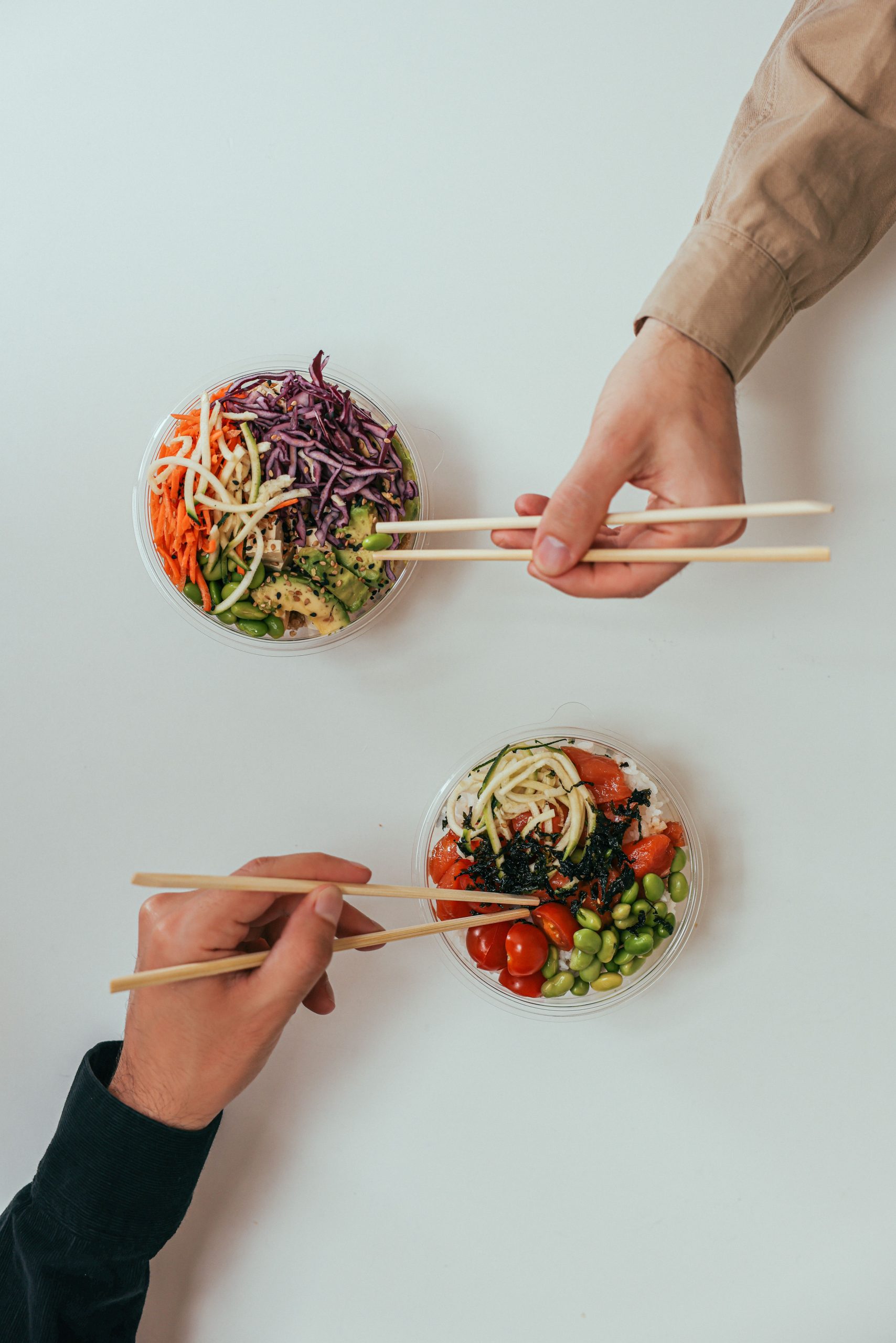
Comfort food has always been about more than just eating. It represents memories, traditions, family gatherings, and moments of familiarity. A favorite dish can instantly bring back childhood experiences, holiday celebrations, or meals shared with loved ones. However, as food culture continues to evolve, people are finding new ways to enjoy these nostalgic recipes while adapting them to modern health goals.
Today’s comfort food movement is not about abandoning classic dishes—it is about reinventing them. Home cooks, chefs, and food creators are discovering ways to make familiar meals lighter, more balanced, and more aligned with changing lifestyles without losing the flavors and emotional connections that made them special in the first place.
For many years, comfort food was associated with rich ingredients, large portions, and indulgent recipes. Dishes such as creamy pastas, fried favorites, baked casseroles, and traditional desserts were often considered occasional treats. But as consumers become more interested in nutrition and wellness, they are looking for versions that provide the same satisfaction with more thoughtful ingredients.
This transformation reflects a larger shift in how people view healthy eating. Instead of strict diets and eliminating favorite foods, many consumers are embracing balance. The focus is moving toward creating meals that are enjoyable, nourishing, and sustainable over time. Comfort food is becoming part of a healthier lifestyle rather than something people feel guilty about enjoying.
One major reason nostalgic recipes are being reinvented is the growing interest in ingredient quality. Home cooks are experimenting with fresh vegetables, whole grains, lean proteins, and alternative cooking methods to improve traditional meals. Simple changes—such as roasting instead of frying, adding more plant-based ingredients, or reducing unnecessary sugar—can create healthier versions while maintaining the original character of the dish.
The rise of social media has played a significant role in this food evolution. Platforms like TikTok, Instagram, and YouTube have introduced millions of people to creative recipe transformations. Food creators are sharing modern versions of classic dishes, showing audiences that healthier cooking does not have to mean boring or complicated meals.
Some of the most popular reinventions involve childhood favorites. Classic pasta dishes are being updated with protein-rich ingredients, vegetables, and lighter sauces. Traditional desserts are being recreated with reduced sugar, natural sweeteners, or nutrient-focused ingredients. Familiar meals are being redesigned to fit the preferences of a new generation.
This trend is also connected to the growing popularity of personalized nutrition. Consumers increasingly understand that different people have different dietary needs and preferences. Instead of following one universal definition of healthy eating, many are adapting recipes based on their own goals, whether that means increasing protein, reducing processed ingredients, or creating more plant-forward meals.
Restaurants and food brands have noticed this change as well. Many menus now feature updated versions of classic comfort dishes that appeal to customers seeking both familiarity and wellness. The goal is to provide emotional satisfaction while responding to changing expectations around nutrition and quality.
The emotional connection to nostalgic food remains one of its strongest qualities. During stressful or uncertain times, familiar meals can provide comfort and stability. This emotional relationship explains why people are not replacing traditional recipes—they are preserving them while making them fit modern lifestyles.
Family recipes are also receiving renewed attention. Many people are revisiting handwritten recipes, learning traditional cooking techniques, and adding their own updates. This creates a connection between generations, allowing classic meals to continue evolving rather than disappearing.
The popularity of home cooking has further encouraged this movement. After years of increased interest in restaurant dining and convenience foods, many people are returning to preparing meals at home. Cooking allows individuals to control ingredients, experiment with healthier alternatives, and create personalized versions of dishes they already love.
Technology has also made recipe reinvention easier. Nutrition apps, online cooking communities, and digital recipe platforms provide access to information that helps people modify meals based on specific goals. Home cooks can now quickly discover substitutions, cooking techniques, and inspiration from around the world.
Importantly, healthier comfort food does not mean removing everything enjoyable about traditional recipes. Food is connected to pleasure, culture, and memories. The most successful reinventions preserve the elements people love—the flavors, textures, and experiences—while improving the overall balance of the meal.
This approach reflects a more realistic understanding of wellness. Long-term healthy habits are often built around flexibility rather than restriction. Allowing room for enjoyable foods makes it easier for people to maintain balanced lifestyles without feeling disconnected from the meals they grew up with.
Ultimately, nostalgic recipes are being reinvented because people want the best of both worlds. They want the comfort of familiar flavors and the benefits of modern nutrition knowledge. The future of comfort food is not about choosing between tradition and health—it is about combining both.
The meals people love are not disappearing. They are simply evolving, proving that food traditions can adapt while still keeping the memories and emotions that make them meaningful.
References
- Harvard T.H. Chan School of Public Health – Nutrition and Healthy Eating Research
- American Heart Association – Healthy Cooking and Nutrition Guidance
- Mayo Clinic – Balanced Diet and Healthy Eating Habits
- Food & Wine – Food Culture and Recipe Trends
- Bon Appétit – Modern Cooking and Food Trends
- National Restaurant Association – Food Industry Trends Report
Leave a Reply