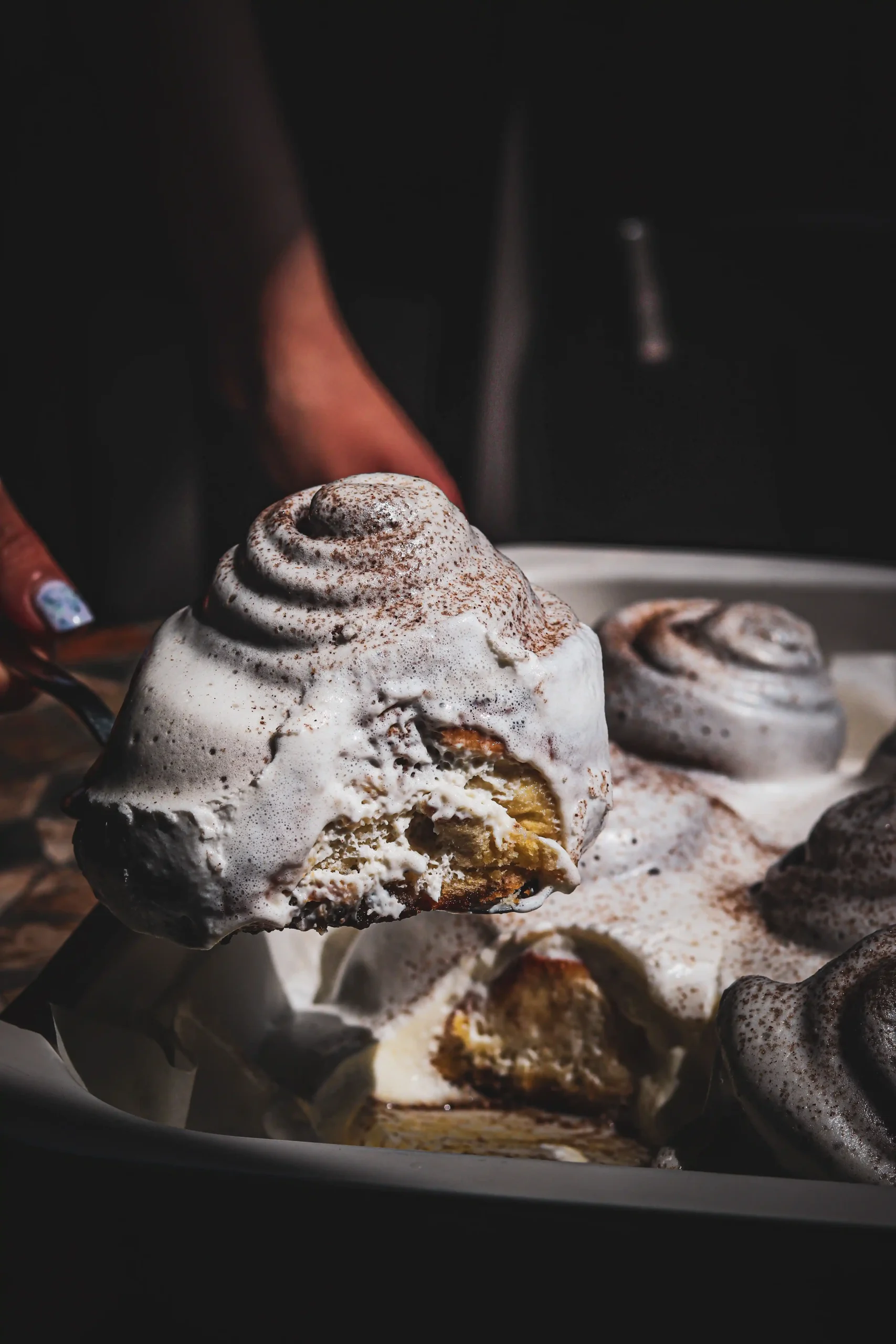
There is nothing quite like the aroma of freshly baked cinnamon rolls filling your kitchen. Soft, fluffy dough swirled with a buttery cinnamon-sugar filling and topped with rich cream cheese frosting creates a comforting treat that is perfect for breakfast, brunch, holidays, or dessert.
While bakery cinnamon rolls are delicious, making them from scratch allows you to enjoy warm rolls fresh from the oven with flavors and textures that are hard to beat. Although homemade cinnamon rolls require some time because the dough needs to rise, the process is simple and rewarding. Even beginner bakers can achieve bakery-style results by following each step carefully.
This recipe produces soft, pillowy cinnamon rolls with a gooey cinnamon filling and a smooth cream cheese frosting that melts beautifully over the warm rolls.
Why You’ll Love This Recipe
- Soft and fluffy homemade dough
- Rich cinnamon and brown sugar filling
- Creamy homemade cream cheese frosting
- Perfect for breakfast, brunch, or dessert
- Easy-to-follow instructions for beginners
- Can be prepared ahead of time
- Freezer-friendly for future baking
Recipe Information
Preparation Time: 30 minutes
Rise Time: About 2 hours
Bake Time: 22–28 minutes
Total Time: Approximately 3 hours
Servings: 12 cinnamon rolls
Difficulty: Easy to Moderate
Ingredients
For the Dough
- 4 cups all-purpose flour
- 1 cup warm whole milk (about 110°F or 43°C)
- ¼ cup granulated sugar
- 2¼ teaspoons active dry yeast (1 packet)
- 2 large eggs, room temperature
- ⅓ cup unsalted butter, melted
- 1 teaspoon salt
For the Cinnamon Filling
- ½ cup unsalted butter, softened
- 1 cup brown sugar
- 2 tablespoons ground cinnamon
- ½ teaspoon ground nutmeg (optional)
- 1 teaspoon vanilla extract (optional)
For the Cream Cheese Frosting
- 8 ounces cream cheese, softened
- ¼ cup unsalted butter, softened
- 2 cups powdered sugar
- 1 teaspoon vanilla extract
- 1–2 tablespoons milk (if needed for consistency)
Kitchen Equipment
- Large mixing bowl
- Measuring cups and spoons
- Rolling pin
- Wooden spoon or silicone spatula
- 9×13-inch baking pan
- Sharp knife or unflavored dental floss
- Stand mixer with dough hook (optional)
- Clean kitchen towel
Step-by-Step Instructions
Step 1: Activate the Yeast
Pour the warm milk into a large mixing bowl.
Add the granulated sugar and stir until dissolved.
Sprinkle the yeast over the milk.
Allow it to sit for 5–10 minutes.
The mixture should become foamy. If it does not foam, the yeast may no longer be active, and you should start again with fresh yeast.
Step 2: Make the Dough
Add the melted butter, eggs, and salt to the yeast mixture.
Mix until combined.
Gradually add the flour one cup at a time.
Stir until a soft dough begins to form.
Step 3: Knead the Dough
Transfer the dough onto a lightly floured surface.
Knead for 8–10 minutes until smooth and elastic.
If using a stand mixer, knead with the dough hook for about 6–8 minutes on medium speed.
The dough should be soft but not sticky.
Step 4: First Rise
Lightly grease a large bowl.
Place the dough inside and turn it once to coat with oil.
Cover with a clean towel or plastic wrap.
Allow the dough to rise in a warm place for about 1½ hours or until doubled in size.
Step 5: Prepare the Filling
While the dough is rising, combine:
- Brown sugar
- Ground cinnamon
- Nutmeg (optional)
Mix well.
Set aside.
Keep the softened butter ready.
Step 6: Roll Out the Dough
Punch down the risen dough.
Transfer it to a lightly floured surface.
Roll it into a rectangle approximately 16 × 12 inches.
Try to keep the thickness even throughout.
Step 7: Add the Filling
Spread the softened butter evenly across the dough.
Leave about a half-inch border around the edges.
Sprinkle the cinnamon sugar mixture evenly over the butter.
Press the filling gently with your hands so it sticks to the butter.
Step 8: Roll the Dough
Starting from the long edge, tightly roll the dough into a log.
Roll slowly to keep the filling inside.
Pinch the seam closed.
Step 9: Cut the Rolls
Use a sharp knife or unflavored dental floss.
Slice the log into 12 equal pieces.
Arrange them evenly inside a greased 9×13-inch baking dish.
Leave a little space between each roll.
Step 10: Second Rise
Cover the baking dish.
Allow the rolls to rise for 30–45 minutes.
They should become noticeably larger and nearly touch one another.
Meanwhile, preheat the oven to 350°F (175°C).
Step 11: Bake
Bake the cinnamon rolls for 22–28 minutes.
The tops should be lightly golden brown.
Avoid overbaking, as this can make the rolls dry.
If they begin browning too quickly, loosely cover them with aluminum foil during the last few minutes of baking.
How to Make Cream Cheese Frosting
While the rolls bake, prepare the frosting.
Step 1
Beat the softened cream cheese and butter together until smooth.
Step 2
Gradually add the powdered sugar.
Mix on low speed until incorporated.
Step 3
Add the vanilla extract.
If the frosting is too thick, add milk one tablespoon at a time until it reaches a spreadable consistency.
Beat until smooth and creamy.
Frost the Cinnamon Rolls
Allow the cinnamon rolls to cool for about 10 minutes after baking.
Spread the cream cheese frosting generously over the warm rolls.
The warmth will slightly melt the frosting, creating a delicious glaze that seeps into every swirl.
Serve immediately for the best flavor and texture.
Tips for Perfect Cinnamon Rolls
- Measure flour accurately to avoid dense dough.
- Use warm milk, not hot milk, to protect the yeast.
- Let the dough rise fully for soft, fluffy rolls.
- Roll the dough tightly to create neat spirals.
- Use softened butter for even spreading.
- Avoid adding too much extra flour while kneading.
- Frost while the rolls are still warm for the best finish.
Common Mistakes to Avoid
Using Expired Yeast
Always check the expiration date and make sure the yeast becomes foamy before mixing the dough.
Overheating the Milk
Milk that is too hot can kill the yeast.
Aim for approximately 110°F (43°C).
Overbaking
Bake only until lightly golden.
Overbaking results in dry cinnamon rolls.
Cutting Uneven Rolls
Measure before slicing to ensure even baking.
Delicious Variations
Pecan Cinnamon Rolls
Add chopped pecans to the filling before rolling.
Raisin Cinnamon Rolls
Mix raisins into the cinnamon sugar filling.
Apple Cinnamon Rolls
Spread finely diced cooked apples over the filling before rolling.
Maple Cream Cheese Frosting
Replace the vanilla extract with pure maple syrup for a rich fall-inspired flavor.
Orange Cinnamon Rolls
Add orange zest to both the filling and frosting for a fresh citrus twist.
Serving Suggestions
Homemade cinnamon rolls pair wonderfully with:
- Fresh coffee
- Hot chocolate
- Chai tea
- Fresh fruit
- Scrambled eggs
- Crispy bacon
- Breakfast sausage
- Vanilla latte
They are perfect for holiday breakfasts, weekend brunches, birthdays, or simply as a comforting homemade treat.
How to Store Cinnamon Rolls
Allow the rolls to cool completely.
Store them in an airtight container.
- At room temperature: Up to 2 days
- In the refrigerator: Up to 5 days
How to Reheat
Microwave
Heat one roll for 20–30 seconds.
Oven
Cover with foil and warm at 300°F (150°C) for about 10 minutes.
Can You Freeze Them?
Yes.
Freeze baked (unfrosted) cinnamon rolls for up to 3 months.
When ready to enjoy, thaw overnight in the refrigerator, warm in the oven, and frost before serving.
You can also freeze the unbaked sliced rolls after placing them in the baking dish. Thaw, let them complete the second rise, then bake as directed.
Estimated Nutrition (Per Roll)
- Calories: 430
- Carbohydrates: 59g
- Protein: 7g
- Fat: 18g
- Saturated Fat: 10g
- Sugar: 29g
- Sodium: 240mg
Nutrition values are estimates and may vary depending on the ingredients used.
Frequently Asked Questions
Can I make the dough the night before?
Yes. After shaping the rolls and placing them in the baking dish, cover them tightly and refrigerate overnight. The next morning, let them sit at room temperature for about 45–60 minutes before baking.
Why didn’t my dough rise?
The most common reasons are expired yeast, milk that was too hot or too cold, or a room that was too cool. Place the covered dough in a warm, draft-free spot to encourage rising.
Can I use instant yeast instead of active dry yeast?
Yes. Instant yeast can be mixed directly with the dry ingredients, and the dough may rise a little faster. You can use the same amount called for in this recipe.
Can I freeze the frosted rolls?
Yes, but for the best texture, freeze the rolls without frosting and prepare the cream cheese frosting fresh when you’re ready to serve.
Conclusion
Homemade Cinnamon Rolls with Cream Cheese Frosting are a timeless favorite that combines soft, buttery dough with a sweet cinnamon filling and a rich, creamy topping. While they take a little patience to prepare, every step is simple, and the results are well worth the effort.
Whether you’re baking them for a cozy weekend breakfast, a holiday gathering, or simply to treat your family, these cinnamon rolls are sure to impress. With a few pantry staples and careful attention to each step, you’ll create bakery-quality rolls that are warm, fluffy, and full of comforting flavor.
Once you’ve mastered this classic recipe, don’t be afraid to experiment with different fillings, toppings, and seasonal ingredients to make it your own. Happy baking!
Leave a Reply