Nestled in the foothills of the Andes and overlooking the crystal-clear waters of Nahuel Huapi Lake, Bariloche is one of Argentina’s most picturesque destinations. Often referred to as the “Swiss Alps of South America,” the city captivates visitors with its alpine architecture, snow-capped mountains, and breathtaking landscapes. Yet beyond its stunning scenery lies another compelling reason to visit—its vibrant food culture.
Bariloche’s culinary identity is unlike any other in South America. It is the product of more than a century of cultural exchange, where Swiss, German, Austrian, and Italian immigrant traditions merged with the rich natural bounty of Argentine Patagonia. The result is a distinctive cuisine that combines European comfort foods with locally sourced meats, freshwater fish, wild berries, artisanal cheeses, and handcrafted chocolate.
Today, Bariloche has evolved into one of Argentina’s premier culinary destinations. Visitors can enjoy everything from authentic cheese fondue and Swiss pastries to smoked trout, Patagonian lamb, craft beer, and gourmet chocolate—all within the same city.
This article explores how Bariloche’s food scene beautifully blends Swiss heritage with Patagonian flavors, creating an unforgettable dining experience that continues to attract food lovers from around the world.
The Origins of Bariloche’s Culinary Identity
Bariloche’s unique cuisine begins with its history.
During the late nineteenth and early twentieth centuries, immigrants from Switzerland, Germany, Austria, and Northern Italy settled in the Lake District of Patagonia. They brought with them generations of culinary traditions, introducing techniques for baking bread, making cheese, brewing beer, preserving meats, and producing chocolate.
At the same time, Patagonia offered an abundance of fresh local ingredients. The region’s pristine lakes provided trout and salmon, while its grasslands supported high-quality lamb, beef, and venison. Forests supplied wild mushrooms and berries, and nearby farms produced dairy products of exceptional quality.
Rather than replacing local cuisine, European traditions blended naturally with regional ingredients. This fusion gave rise to the distinctive culinary culture that defines Bariloche today.
Why Bariloche Is Known as the “Swiss Alps of South America”
The nickname “Swiss Alps of South America” extends beyond Bariloche’s mountain scenery.
Walking through the city, visitors encounter wooden alpine buildings, chocolate boutiques, cozy cafés, tea houses, and restaurants serving traditional European dishes. The city’s architecture reflects the influence of Swiss mountain villages, while its cuisine preserves recipes passed down through immigrant families.
Many restaurants continue preparing classic alpine dishes using locally produced cheeses, meats, and vegetables. This combination of European traditions and Patagonian ingredients gives Bariloche its unmistakable culinary character.
Artisan Chocolate: Bariloche’s Sweetest Tradition
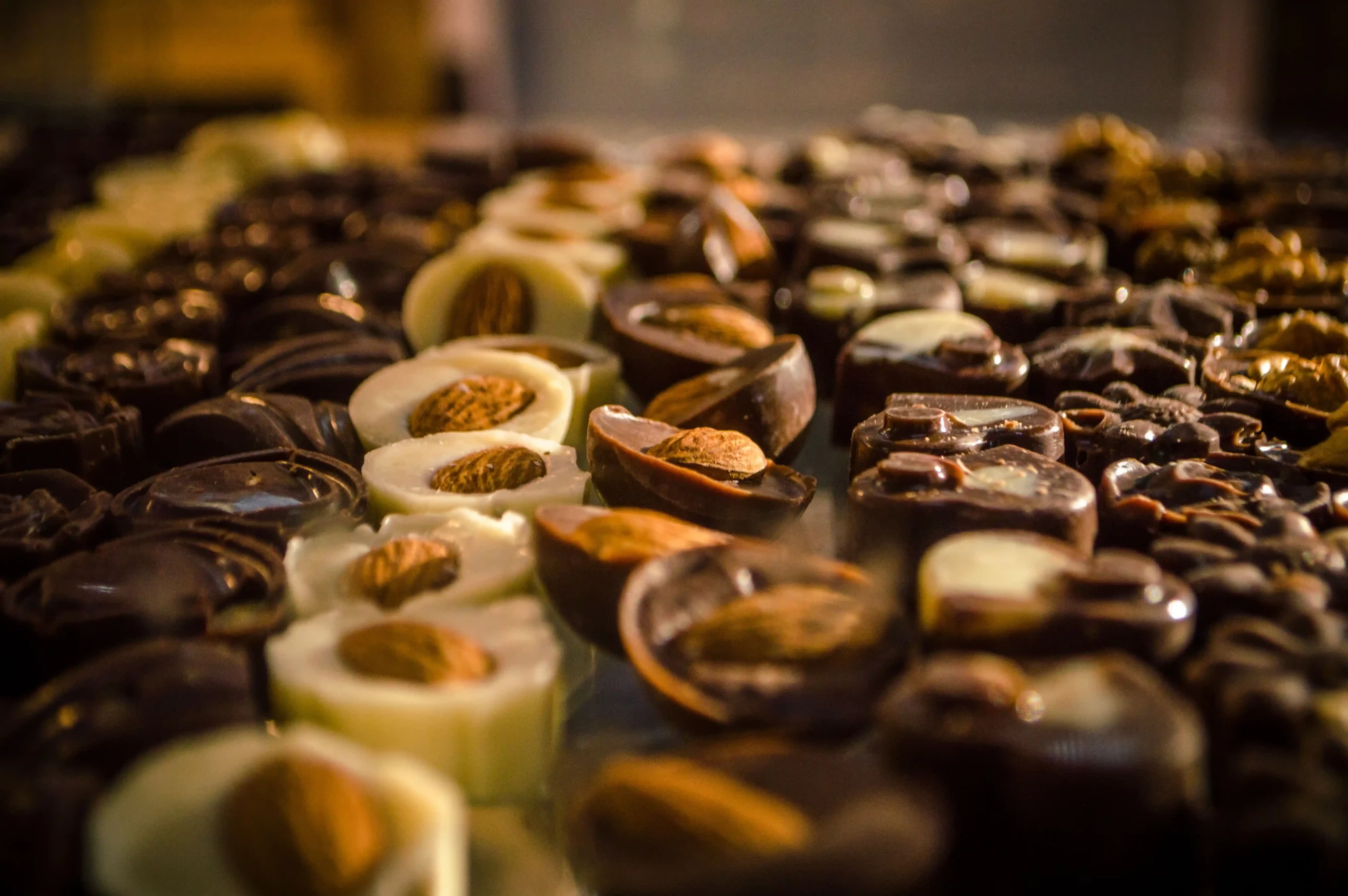
Perhaps no food is more closely associated with Bariloche than artisan chocolate.
The city’s chocolate-making tradition began with European immigrants who introduced Swiss and Belgian techniques to Patagonia. Over the decades, local chocolatiers refined these methods while incorporating regional ingredients.
Today, visitors can find countless chocolate shops offering handcrafted creations ranging from milk and dark chocolate bars to pralines, truffles, chocolate-covered fruits, and hot chocolate.
Many chocolatiers also experiment with uniquely Patagonian flavors, including:
- Calafate berries
- Raspberries
- Blueberries
- Walnuts
- Hazelnuts
- Dulce de leche
- Local honey
During the winter season, enjoying a cup of rich hot chocolate while overlooking snow-covered mountains has become one of Bariloche’s signature experiences.
Swiss Cheese Traditions Meet Argentine Dairy
Swiss immigrants introduced cheese-making techniques that continue to influence Bariloche’s culinary landscape.
The region’s cool climate and high-quality dairy farms provide excellent conditions for producing artisan cheeses inspired by Swiss and Alpine traditions.
Restaurants frequently feature:
- Gruyère-style cheese
- Emmental-style cheese
- Semi-hard mountain cheeses
- Fresh farmhouse cheeses
These cheeses appear in many traditional dishes, especially fondue and raclette.
Modern chefs often pair European cheese recipes with locally sourced herbs, smoked meats, mushrooms, and Patagonian vegetables, creating dishes that honor tradition while embracing regional flavors.
Fondue: A Classic Alpine Experience
No visit to Bariloche would be complete without trying authentic cheese fondue.
Originally popularized in Switzerland, fondue has become one of the city’s most beloved comfort foods.
Traditional fondue combines melted cheeses with white wine and seasonings, served alongside cubes of bread, potatoes, vegetables, and cured meats for dipping.
Some Bariloche restaurants offer creative regional variations featuring:
- Smoked Patagonian trout
- Wild mushrooms
- Local herbs
- Artisan sausages
- Patagonian lamb
Chocolate fondue is equally popular, allowing diners to enjoy fresh strawberries, berries, bananas, marshmallows, and pastries dipped into warm melted chocolate.
Patagonian Lamb: The Region’s Signature Dish
While Swiss traditions play a major role in Bariloche’s cuisine, Patagonia’s most iconic ingredient remains lamb.
Patagonian lamb is renowned for its tenderness and distinctive flavor, which result from animals grazing freely on native grasses.
Many restaurants slow-roast lamb over open wood fires using traditional Argentine cooking techniques.
Popular preparations include:
- Whole roasted lamb
- Herb-crusted lamb chops
- Braised lamb shanks
- Lamb stews
- Grilled lamb ribs
European influences often appear in accompanying sauces, potato dishes, and vegetable preparations, demonstrating how immigrant traditions complement regional ingredients.
Freshwater Trout and Smoked Specialties
Bariloche’s surrounding lakes provide some of Argentina’s finest freshwater fish.
Rainbow trout and brown trout are especially popular among chefs, who prepare them using both European and Patagonian cooking methods.
Common preparations include:
- Wood-fired grilled trout
- Smoked trout
- Herb-baked trout
- Trout served with creamy sauces
- Trout accompanied by seasonal vegetables
Smoking techniques introduced by European settlers have become an important part of local culinary tradition, adding depth and complexity to seafood and meat dishes alike.
Wild Mushrooms and Forest Ingredients
Patagonia’s forests contribute an abundance of seasonal ingredients to Bariloche’s cuisine.
Chefs regularly incorporate:
- Wild mushrooms
- Pine nuts
- Forest herbs
- Edible flowers
- Native berries
These ingredients appear in risottos, soups, pasta dishes, sauces, and gourmet entrees.
The growing appreciation for locally foraged products reflects Bariloche’s commitment to showcasing the natural richness of Patagonia.
The Rise of Craft Beer Culture
Bariloche has become one of Argentina’s leading destinations for craft beer.
European immigrants brought brewing knowledge that has evolved into a thriving local industry.
Today, independent breweries produce a wide variety of styles, including:
- Pilsners
- Amber ales
- India pale ales
- Stouts
- Wheat beers
- Seasonal specialties
Many breweries emphasize locally sourced ingredients, including Patagonian hops, mountain spring water, and regional fruits.
Craft beer pairs naturally with Bariloche’s hearty cuisine, particularly smoked meats, artisan cheeses, and grilled lamb.
Traditional Pastries and Alpine Desserts
European baking traditions remain central to Bariloche’s café culture.
Visitors can enjoy an impressive selection of pastries inspired by Swiss, German, and Austrian recipes.
Popular treats include:
- Apple strudel
- Black Forest cake
- Fruit tarts
- Butter cookies
- Cream-filled pastries
- Almond cakes
Many desserts incorporate regional fruits such as cherries, raspberries, blackberries, and blueberries grown throughout Patagonia.
Tea houses throughout the city continue serving these traditional sweets alongside locally roasted coffee and premium teas.
Farm-to-Table Dining in Modern Bariloche
Although deeply rooted in tradition, Bariloche’s culinary scene continues to evolve.
A growing number of restaurants embrace farm-to-table philosophy by sourcing ingredients directly from nearby farms, fisheries, and artisanal producers.
Menus frequently highlight:
- Seasonal vegetables
- Organic herbs
- Local cheeses
- Free-range meats
- Fresh-caught fish
- Small-batch preserves
This emphasis on freshness allows chefs to celebrate Patagonia’s natural abundance while reducing environmental impact and supporting local agriculture.
Contemporary Patagonian Cuisine
Today’s chefs are redefining traditional dishes through modern culinary techniques.
Rather than abandoning heritage recipes, they reinterpret them with refined presentation and innovative flavor combinations.
Examples include:
- Lamb served with berry reductions
- Trout paired with herb emulsions
- Chocolate desserts featuring native fruits
- Artisan cheeses accompanied by locally produced honey
- Mushroom risottos using regional varieties
This approach appeals to international travelers seeking both authenticity and creativity.
Sustainability and Responsible Dining
Environmental stewardship has become an increasingly important part of Bariloche’s food culture.
Many restaurants prioritize sustainable practices such as:
- Responsible fishing
- Locally sourced produce
- Seasonal menus
- Waste reduction
- Support for nearby farmers
- Eco-conscious packaging
These efforts help preserve Patagonia’s remarkable natural environment while ensuring long-term sustainability for local food producers.
Culinary Tourism Continues to Grow
Food has become one of the primary reasons travelers visit Bariloche.
Visitors increasingly plan itineraries around culinary experiences, including:
- Chocolate tastings
- Brewery tours
- Wine pairings
- Gourmet restaurants
- Traditional tea houses
- Artisan food markets
- Cooking workshops
This growing interest has encouraged chefs and producers to continue innovating while preserving the city’s rich culinary heritage.
Tips for First-Time Food Lovers Visiting Bariloche
To experience the best of Bariloche’s cuisine, travelers should consider trying a variety of traditional and modern dishes during their stay.
Some must-try foods include:
- Artisan chocolate
- Cheese fondue
- Raclette
- Patagonian lamb
- Smoked trout
- Wild mushroom dishes
- Regional berry desserts
- Craft beer
- Dulce de leche pastries
- Homemade alpine cakes
Sampling both family-owned restaurants and contemporary bistros provides a deeper appreciation of how tradition and innovation coexist in Bariloche’s dining scene.
Why Bariloche’s Culinary Identity Is Unique
Many destinations successfully preserve traditional cuisine, while others focus on modern gastronomy. Bariloche stands out because it achieves both.
Its food culture reflects generations of Swiss, German, Austrian, and Italian influence while celebrating Patagonia’s exceptional natural ingredients. Rather than competing, these traditions complement one another, creating a cuisine that is simultaneously European and distinctly Argentine.
Whether enjoying artisan chocolate crafted from time-honored recipes, savoring slow-roasted Patagonian lamb, sharing a bubbling pot of cheese fondue, or sampling locally brewed craft beer, visitors experience a culinary landscape unlike any other in South America.
Conclusion
Bariloche’s reputation as the “Swiss Alps of South America” extends far beyond its breathtaking mountain scenery. Its vibrant food scene tells the story of immigration, cultural exchange, and a deep connection to Patagonia’s natural resources. Swiss and Central European settlers introduced traditions that continue to shape the city’s bakeries, chocolate shops, breweries, and alpine restaurants, while the region’s pristine lakes, forests, and grasslands provide an abundance of exceptional local ingredients.
Today, Bariloche offers a culinary experience where European comfort foods and Patagonian flavors exist in perfect harmony. Artisan chocolate, fondue, handcrafted cheeses, smoked trout, roasted lamb, wild mushrooms, berry desserts, and craft beer all contribute to a rich and diverse dining culture that attracts visitors from across the globe.
For travelers seeking more than spectacular landscapes, Bariloche delivers an unforgettable journey through history, heritage, and flavor. Every meal reflects the city’s unique identity, making it one of South America’s most rewarding destinations for food lovers and an enduring symbol of how tradition and local ingredients can come together to create something truly extraordinary.
Leave a Reply