
There’s a noticeable shift that happens as the week winds down. By the time Friday arrives, eating habits tend to move away from structure and discipline and lean more toward comfort, celebration, and familiarity. Food becomes less about optimization and more about reward.
This weekly rhythm is surprisingly consistent across different lifestyles. After days of routines, deadlines, and responsibilities, Friday often marks a psychological reset. Meals feel more flexible, portions feel less measured, and choices are guided more by craving than planning.
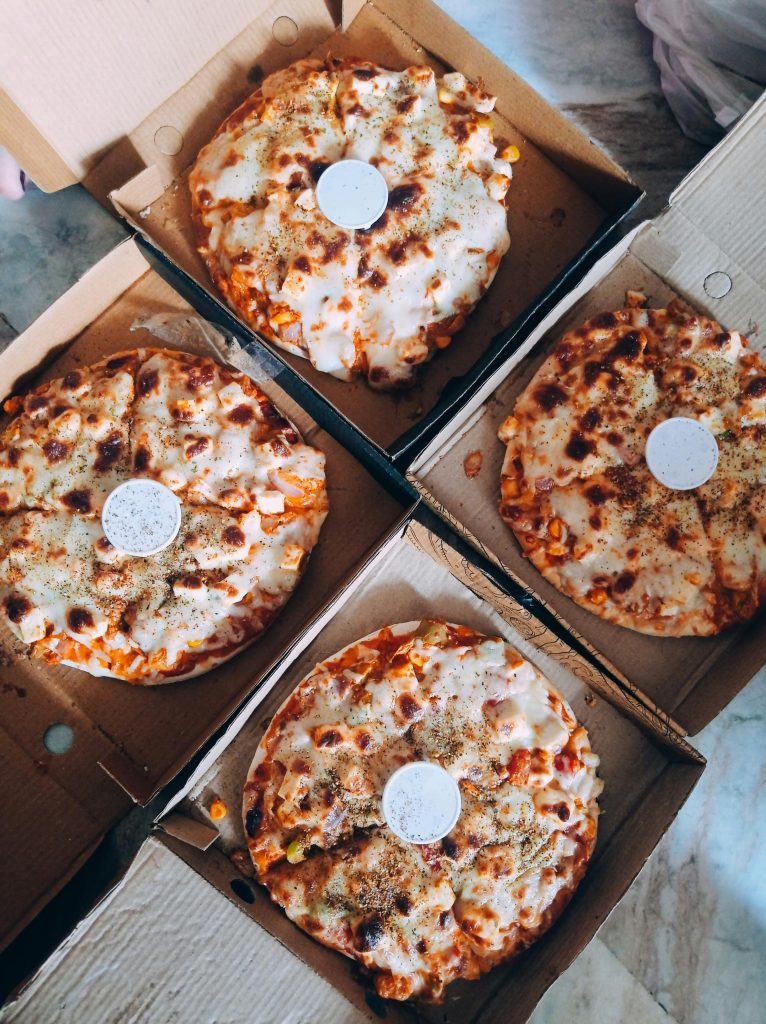
Comfort food naturally takes center stage. Dishes like pizza, burgers, noodles, fried chicken, pasta, and indulgent desserts often become the default options. These are foods tied to relaxation and familiarity, making them especially appealing at the end of a structured week.
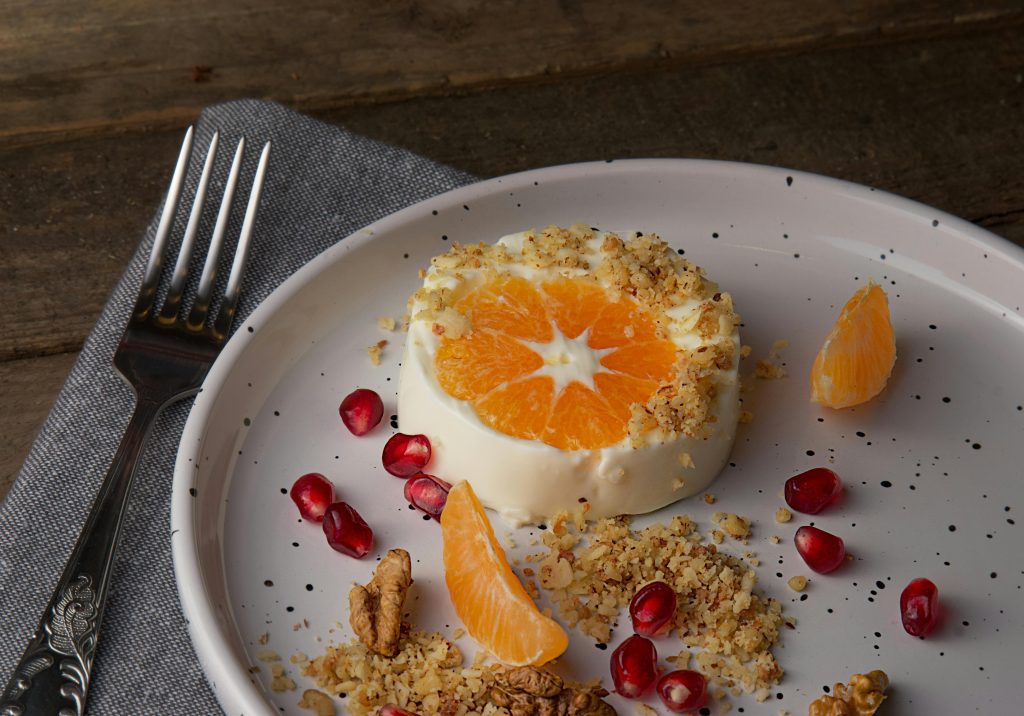
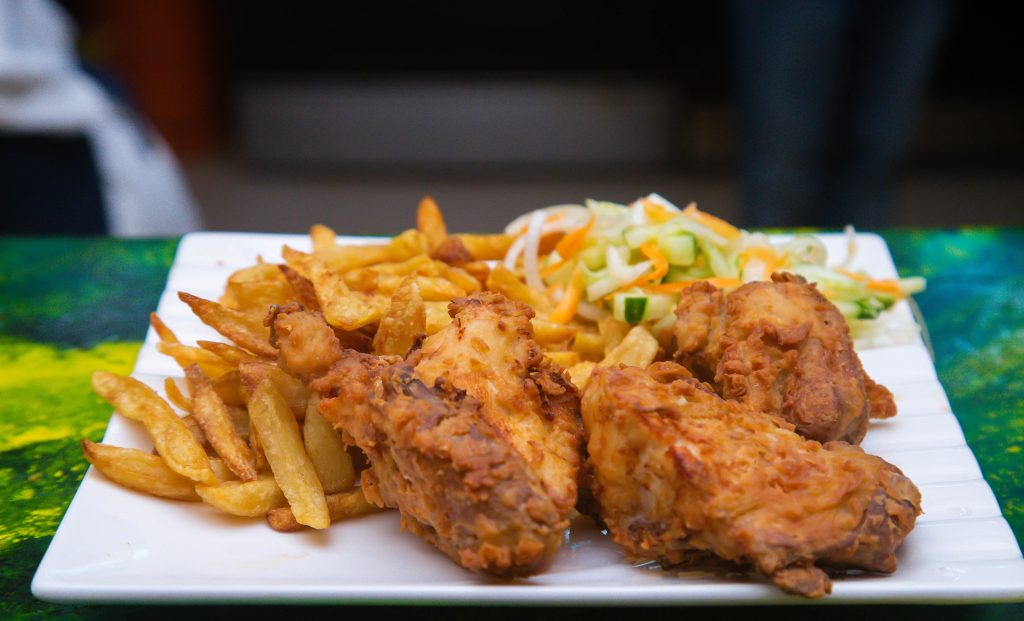
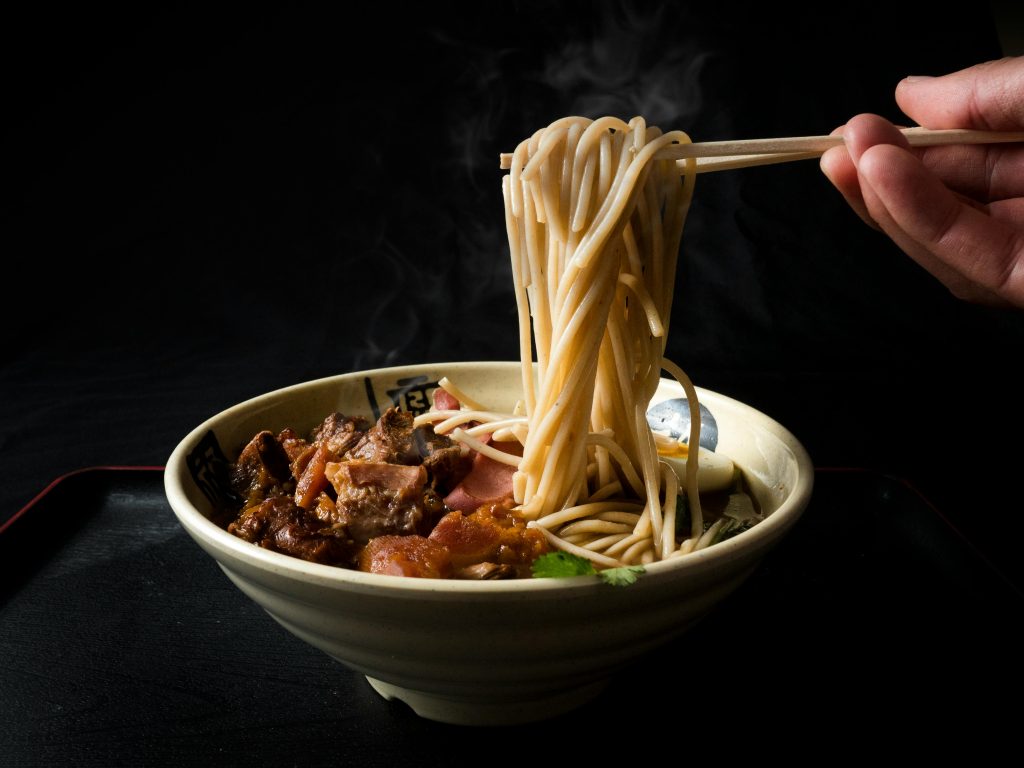
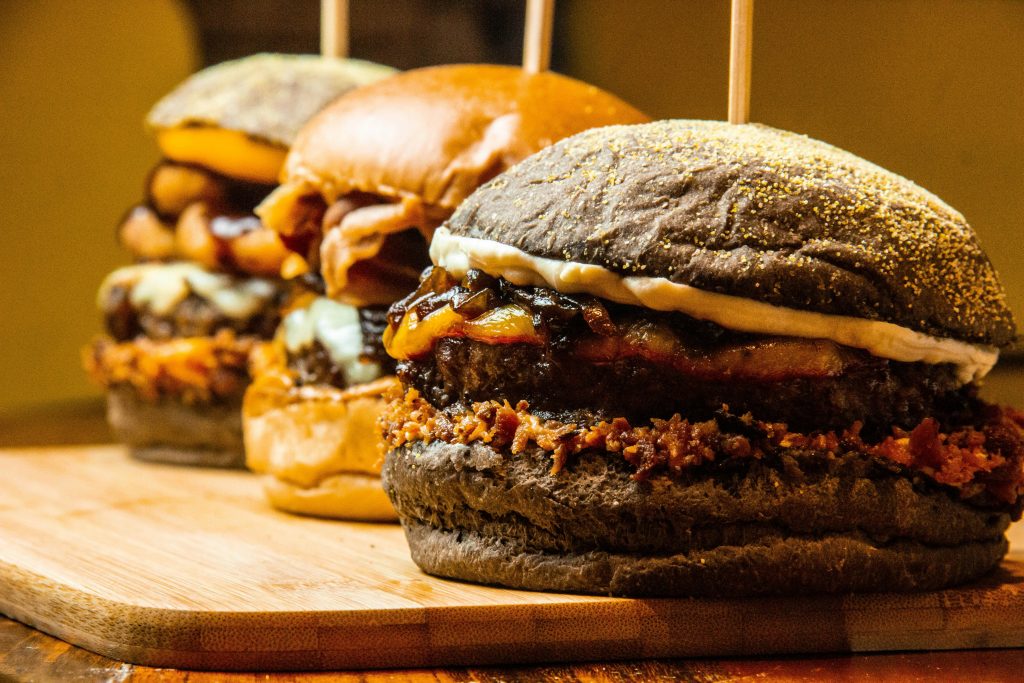
Public figures such as Chrissy Teigen and Gordon Ramsay often reflect different sides of modern food culture—one rooted in approachable home-style comfort, and the other in elevated culinary craftsmanship—both of which influence how people think about indulgence and enjoyment.

Social media also reinforces Friday food culture. Posts featuring group dinners, takeout spreads, and weekend meals tend to perform well as people collectively transition into rest mode. The visual language of food shifts from efficiency during the week to indulgence and abundance on weekends.
Another key factor is routine psychology. Food on Fridays is often less about hunger and more about marking a transition. It signals the end of productivity cycles and the beginning of downtime, making meals feel more meaningful than ordinary weekday eating.
Group dynamics also play a role. Social meals—whether dining out, ordering in, or gathering with friends—are more common at the end of the week. Food becomes part of shared experiences rather than individual routines, reinforcing its emotional significance.
At the same time, there is still variety in how people approach Friday eating. Some prefer indulgent comfort meals, while others opt for lighter celebratory foods or balanced options that still feel different from weekday structure. The common thread is intentional deviation from routine.
Restaurants and delivery services have adapted to this pattern. Fridays consistently show spikes in ordering activity, with menus and promotions often designed to capture end-of-week demand. Food marketing increasingly reflects this predictable cultural rhythm.
Ultimately, Friday eating habits highlight a broader truth about modern food culture: it is not just about nutrition, but about timing, emotion, and transition. The end of the week transforms food into something more than fuel—it becomes a signal that rest has begun.
Leave a Reply