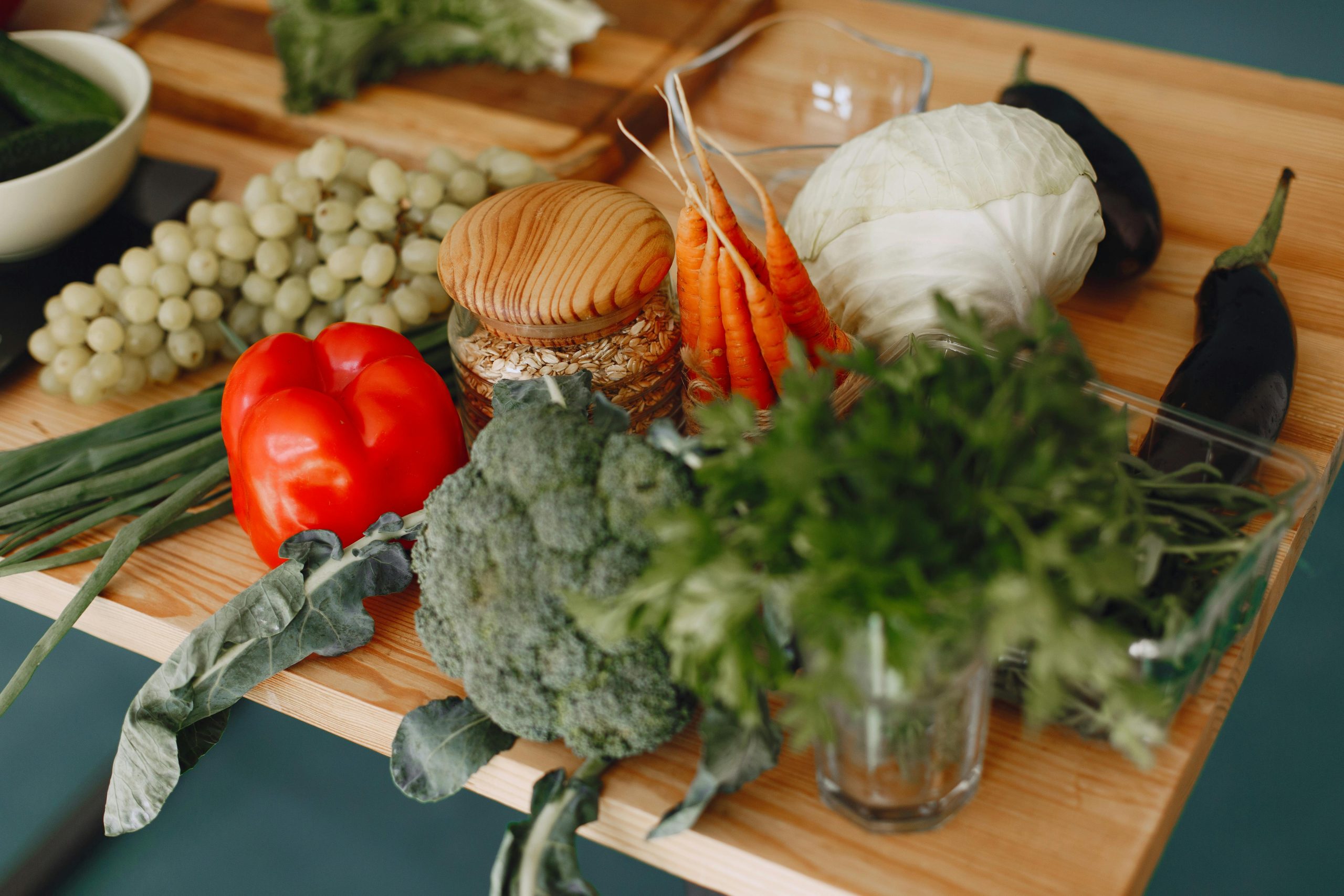
In 2026, food culture is moving in a direction that blends comfort with consciousness. Rather than choosing between indulgence and health, consumers are increasingly looking for meals that deliver emotional satisfaction while still aligning with nutritional goals. This has led to a noticeable rise in “upgraded comfort foods” that feel familiar but are made with cleaner, more intentional ingredients.
At the center of this trend is the return of comfort eating. As daily life continues to feel fast-paced and often unpredictable, people are gravitating toward meals that provide familiarity and emotional ease. Dishes that once defined home cooking—pasta, rice bowls, soups, sandwiches, and baked dishes—are being reimagined with healthier substitutions and balanced nutrition profiles.
Ingredients have become a major focus. Many comfort foods are now being prepared with alternatives such as whole grains, lean proteins, plant-based options, reduced oils, and nutrient-dense vegetables. The goal is not to remove comfort, but to enhance it in a way that supports long-term well-being.
Social media has played a major role in popularizing these food trends. Short-form cooking videos, recipe recreations, and “what I eat in a day” content continue to shape how audiences discover and adopt new eating habits. Visual appeal remains important, but so does simplicity and repeatability in everyday life.
Public figures such as Hailey Bieber and Gordon Ramsay often appear in conversations around modern food culture, reflecting both lifestyle-driven wellness trends and professional culinary influence.
Another defining factor is the rise of health-conscious convenience. Many consumers are seeking meals that are both quick to prepare and nutritionally balanced. This has contributed to the popularity of meal-prep culture, ready-to-eat healthy options, and simplified home cooking routines.
Emotional wellness also plays a key role in shaping food choices. Comfort foods are increasingly tied to stress relief, routine, and self-care rather than purely indulgent eating. This has led to a broader acceptance of eating patterns that prioritize mental well-being alongside physical health.
At the same time, food culture continues to evolve through experimentation. Traditional comfort dishes are being reinterpreted with global influences, new spices, and alternative cooking methods, creating hybrid meals that feel both nostalgic and modern.
Restaurants and food brands have responded by expanding menus that emphasize balance, customization, and transparency in ingredients. Consumers are more interested than ever in knowing what goes into their meals and how those choices impact their health.
Despite the growing emphasis on wellness, indulgence has not disappeared. Instead, it has been reframed. Comfort food is no longer seen as a guilty pleasure, but as part of a balanced lifestyle when approached with intention.
In this evolving food landscape, what people crave is no longer just taste—it is familiarity, nourishment, and emotional satisfaction combined into a single experience.
Leave a Reply