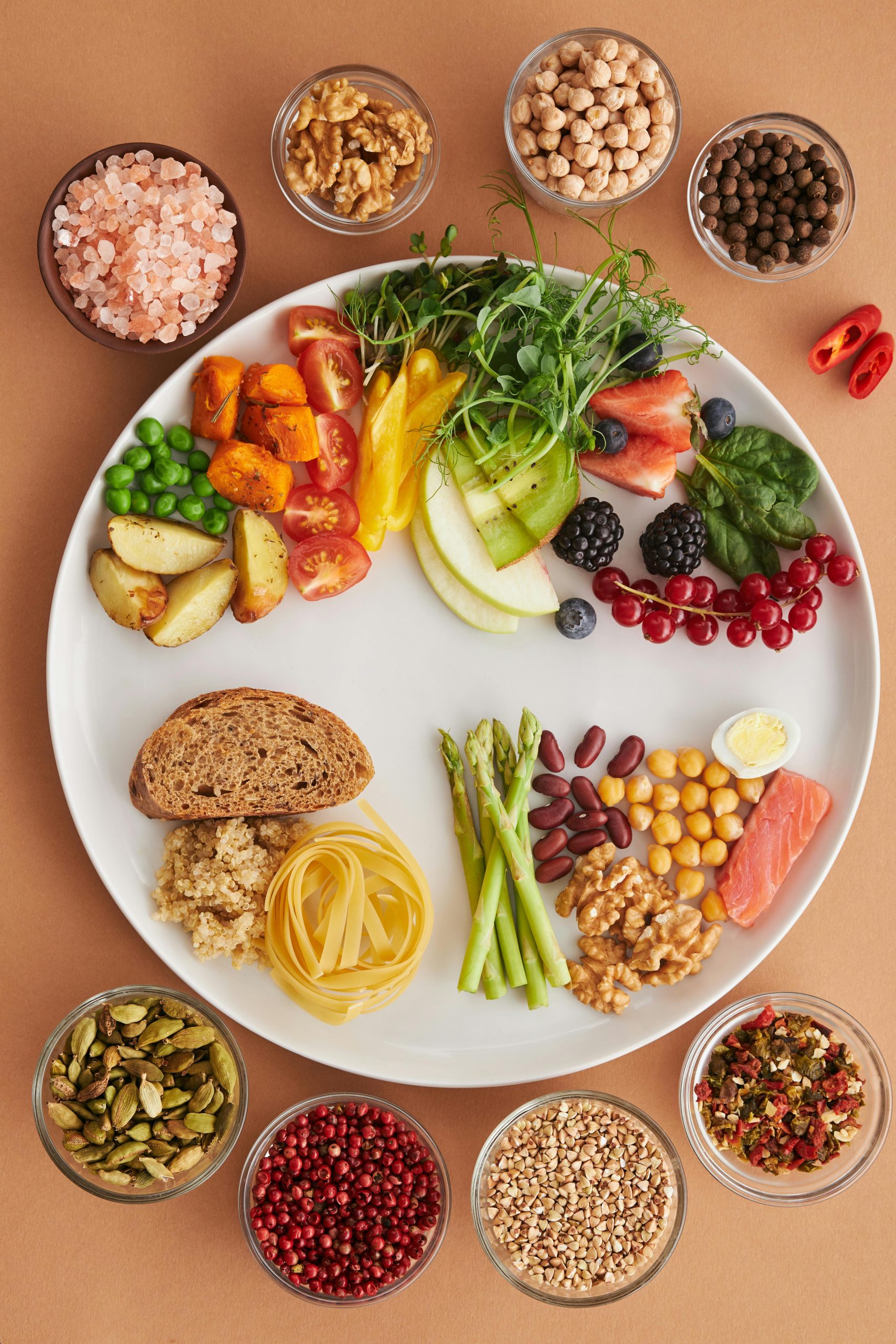
In 2026, celebrity diet culture is no longer defined by extreme transformations or short-term “fix” narratives. Instead, wellness-focused eating habits are shaping what audiences are paying attention to—especially in the wake of major cultural events where visibility is high and lifestyle choices become instantly scrutinized.
What’s trending now is not restriction, but regulation. Across interviews, appearances, and social media fragments, the dominant pattern is a shift toward balanced, repeatable, and energy-stabilizing eating habits rather than dramatic diet swings.
This shift is partly a response to long-standing fatigue around crash dieting culture. Audiences are increasingly skeptical of extreme routines that promise rapid change but are difficult to maintain. Instead, there is growing interest in diets that emphasize consistency, sustainability, and mental clarity as much as physical appearance.
One of the strongest trends is protein-forward eating paired with simplified meals. Celebrities and creators are increasingly associated with low-complexity nutrition routines—foods that are easy to prepare, easy to repeat, and designed to support steady energy throughout demanding schedules.
Hydration-focused habits are also becoming more visible. Electrolyte balance, water intake routines, and “daily reset” drinks are frequently mentioned as part of broader wellness narratives. These habits are often framed less as performance optimization and more as recovery support in high-pressure environments.
There is also a noticeable movement away from heavily restrictive labels. Instead of rigid diet identities, many public figures now describe flexible frameworks—approaches that allow variation without abandoning structure. This reflects a broader cultural shift toward adaptability rather than perfection.
Celebrity influence remains central to how these trends spread. When figures like Zendaya, Rihanna, and Beyoncé are seen engaging with wellness-forward routines, the behavior often becomes normalized faster than traditional nutrition campaigns could achieve.
However, the most important change is not what celebrities are eating—it’s how those habits are being interpreted. Audiences are less focused on extreme results and more focused on sustainability signals: how routines fit into busy schedules, how meals support energy levels, and how eating patterns align with mental well-being.
Social platforms reinforce this shift by amplifying simple, repeatable routines over complex or highly restrictive plans. A basic meal structure or consistent habit often spreads further than a detailed diet breakdown because it feels more achievable for a wider audience.
At the same time, post-event visibility cycles continue to influence food discourse. After high-profile appearances and cultural moments, discussions often shift toward “how they prepared” or “how they maintain consistency,” turning diet habits into part of the broader narrative around performance and presence.
Ultimately, “The Celebrity Diet Trends Everyone Is Talking About” reflects a wider transformation in 2026 wellness culture. Diet is no longer framed as transformation alone—it is increasingly understood as maintenance, recovery, and long-term energy management in a world that rarely slows down.
Leave a Reply