Introduction: Why Plant-Based Diets Continue to Dominate in 2026
Plant-based diets are no longer just a trend—they have become a global lifestyle shift. In 2026, more people are moving toward plant-focused eating due to rising health concerns, environmental awareness, and increasing access to plant-based alternatives in supermarkets and restaurants.
But while the popularity is clear, the real question remains: Are plant-based diets actually healthy for everyone, and what does science really say?
This article breaks down the benefits, risks, nutritional science, and practical realities of plant-based diets so you can make informed decisions based on facts—not hype.
What Is a Plant-Based Diet?
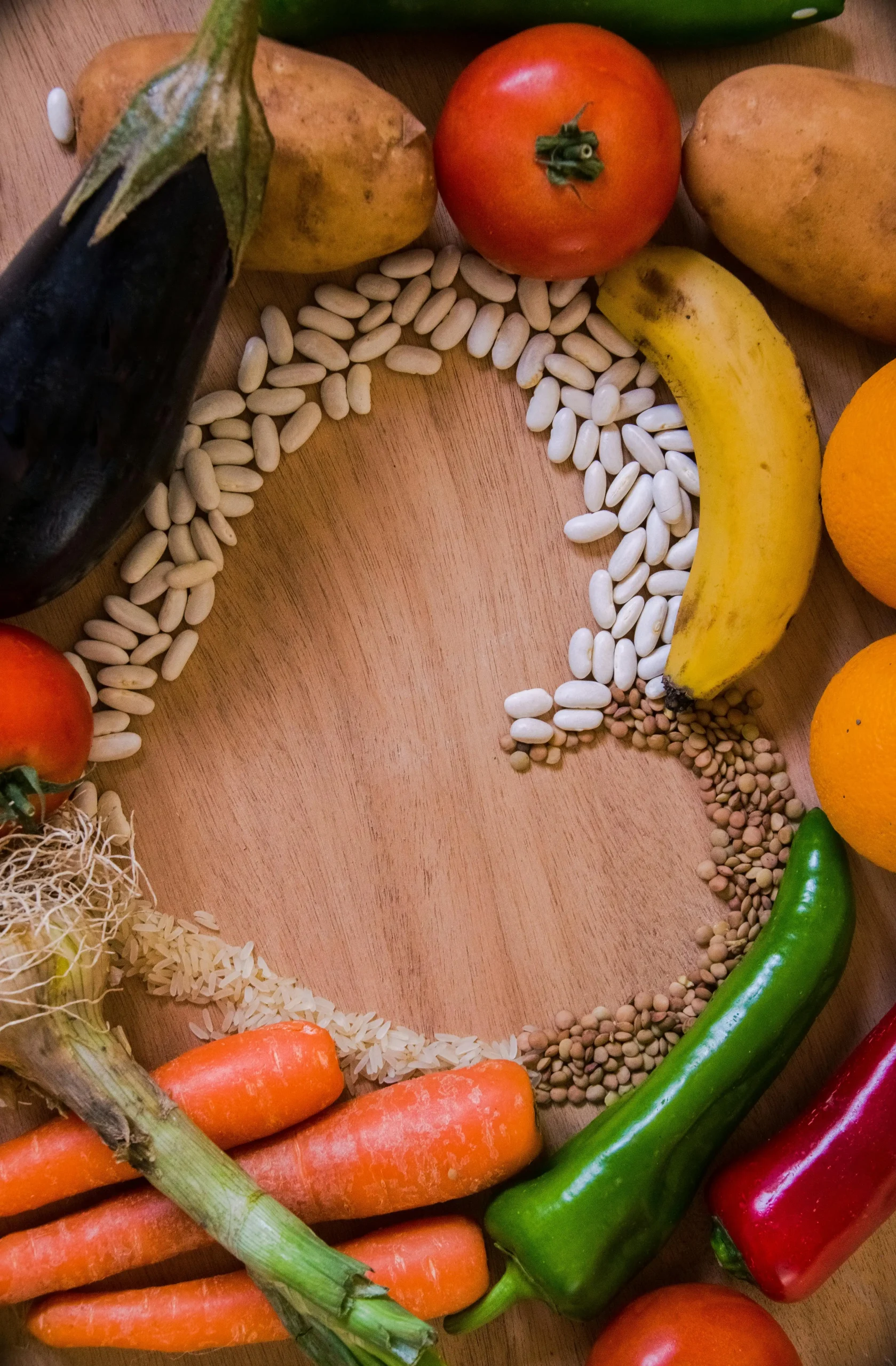
A plant-based diet primarily focuses on foods derived from plants. This includes:
- Vegetables
- Fruits
- Whole grains
- Legumes (beans, lentils, chickpeas)
- Nuts and seeds
It does not always mean being strictly vegan. Some people still include small amounts of animal products like fish, dairy, or eggs.
Common variations include:
- Vegan diet – no animal products at all
- Vegetarian diet – excludes meat but may include dairy/eggs
- Flexitarian diet – mostly plant-based with occasional meat
Health Benefits of a Plant-Based Diet (Backed by Science)
1. Improved Heart Health
One of the strongest scientific findings is the link between plant-based diets and improved cardiovascular health.
Plant-based eating is naturally low in saturated fat and cholesterol while being high in fiber, antioxidants, and healthy plant compounds.
According to research from the American Heart Association, diets rich in fruits, vegetables, whole grains, and legumes are associated with:
- Lower blood pressure
- Reduced LDL (bad cholesterol)
- Lower risk of heart disease
2. Better Weight Management
Plant-based diets are often lower in calorie density, meaning you can eat larger portions with fewer calories.
Studies reviewed by the Harvard T.H. Chan School of Public Health show that individuals following plant-heavy diets tend to have:
- Lower body mass index (BMI)
- Reduced risk of obesity
- Improved metabolic health
This is largely due to higher fiber intake, which increases fullness and reduces overeating.
3. Reduced Risk of Type 2 Diabetes
A plant-based diet improves insulin sensitivity and helps regulate blood sugar levels.
The high fiber content slows glucose absorption, preventing spikes in blood sugar.
Research from global nutrition studies shows that plant-forward diets may significantly reduce the risk of developing Type 2 diabetes when compared to diets high in processed meats and refined carbohydrates.
4. Improved Digestive Health
Fiber plays a key role in gut health.
Plant-based diets support a healthy gut microbiome by feeding beneficial bacteria in the intestines. This can lead to:
- Better digestion
- Reduced constipation
- Stronger immune function
A balanced gut microbiome is also linked to improved mood and mental well-being.
5. Lower Risk of Certain Cancers
Some studies suggest that diets rich in fruits, vegetables, and whole grains may lower the risk of certain cancers, particularly colorectal cancer.
Antioxidants and phytochemicals found in plants help reduce oxidative stress and inflammation in the body.
Environmental Impact: Why Many People Are Switching
Beyond personal health, plant-based diets are also driven by environmental concerns.
Reducing meat consumption can help lower:
- Greenhouse gas emissions
- Water usage
- Land degradation
Organizations like the World Health Organization and global environmental researchers emphasize the connection between sustainable diets and planetary health.
The Risks and Challenges of Plant-Based Diets
While plant-based diets offer many benefits, they are not automatically healthy if poorly planned.
1. Nutrient Deficiencies
Some nutrients are harder to obtain from plant foods alone:
- Vitamin B12
- Iron (heme iron from meat is more easily absorbed)
- Omega-3 fatty acids
- Vitamin D
- Zinc
Without proper planning or supplementation, deficiencies may occur.
2. Protein Quality Concerns
Plant proteins can be lower in certain essential amino acids compared to animal proteins.
However, this can be addressed by combining foods such as:
- Rice and beans
- Lentils and grains
- Nuts and legumes
3. Highly Processed Plant-Based Foods
Not all plant-based foods are healthy. In 2026, many processed vegan products contain:
- High sodium levels
- Added oils
- Artificial additives
A “plant-based” label does not automatically mean nutritious.
4. Social and Accessibility Challenges
Some people may struggle with:
- Limited food options when eating out
- Higher cost of specialty plant-based products
- Cultural dietary habits
What Science Really Says in 2026
Modern nutritional science agrees on one key point:
A well-planned plant-based diet can be healthy and even protective against chronic disease.
However, experts also stress balance and planning.
The consensus from major health organizations is that:
- Whole foods matter more than labels
- Variety is essential
- Supplements may be necessary for strict vegans
Who Should Be Careful with Plant-Based Diets?
A plant-based diet may require extra attention for:
- Pregnant women
- Young children
- Elderly individuals
- People with anemia or nutrient deficiencies
- Athletes with high protein needs
These groups may benefit from professional nutritional guidance.
How to Build a Healthy Plant-Based Diet
A balanced plant-based diet should include:
Protein Sources
- Lentils
- Chickpeas
- Tofu and tempeh
- Quinoa
- Nuts and seeds
Healthy Fats
- Avocados
- Olive oil
- Flaxseeds and chia seeds
Complex Carbohydrates
- Brown rice
- Oats
- Whole wheat
- Sweet potatoes
Micronutrient Support
- Fortified plant milk
- B12 supplements (especially for vegans)
- Iron-rich leafy greens
Simple One-Day Plant-Based Meal Example
Breakfast:
- Oatmeal with bananas, chia seeds, and almond milk
Lunch:
- Brown rice bowl with chickpeas, spinach, and tahini sauce
Snack:
- Mixed nuts and fruit
Dinner:
- Stir-fried tofu with vegetables and quinoa
Plant-Based Diet vs. Other Diet Trends
Compared to keto or high-protein animal-based diets, plant-based eating focuses more on:
- Fiber
- Antioxidants
- Long-term disease prevention
However, no single diet works for everyone. The best diet is one that is sustainable, balanced, and tailored to your lifestyle.
The Future of Plant-Based Eating in 2026 and Beyond
The plant-based movement is evolving rapidly due to:
- Lab-grown meat alternatives
- Improved vegan food technology
- Wider availability in fast food chains
- Increased awareness of health and sustainability
As innovation continues, plant-based diets will likely become even more accessible and nutritionally complete.
Conclusion
Plant-based diets in 2026 are supported by a growing body of scientific evidence showing benefits for heart health, weight management, digestion, and disease prevention.
However, they are not without risks. Without proper planning, nutrient deficiencies and imbalanced eating patterns can occur.
The key takeaway is simple:
A plant-based diet is healthiest when it is diverse, whole-food based, and properly balanced.
It is not about restriction—it is about smarter nutrition choices that support both personal health and environmental sustainability.
Leave a Reply