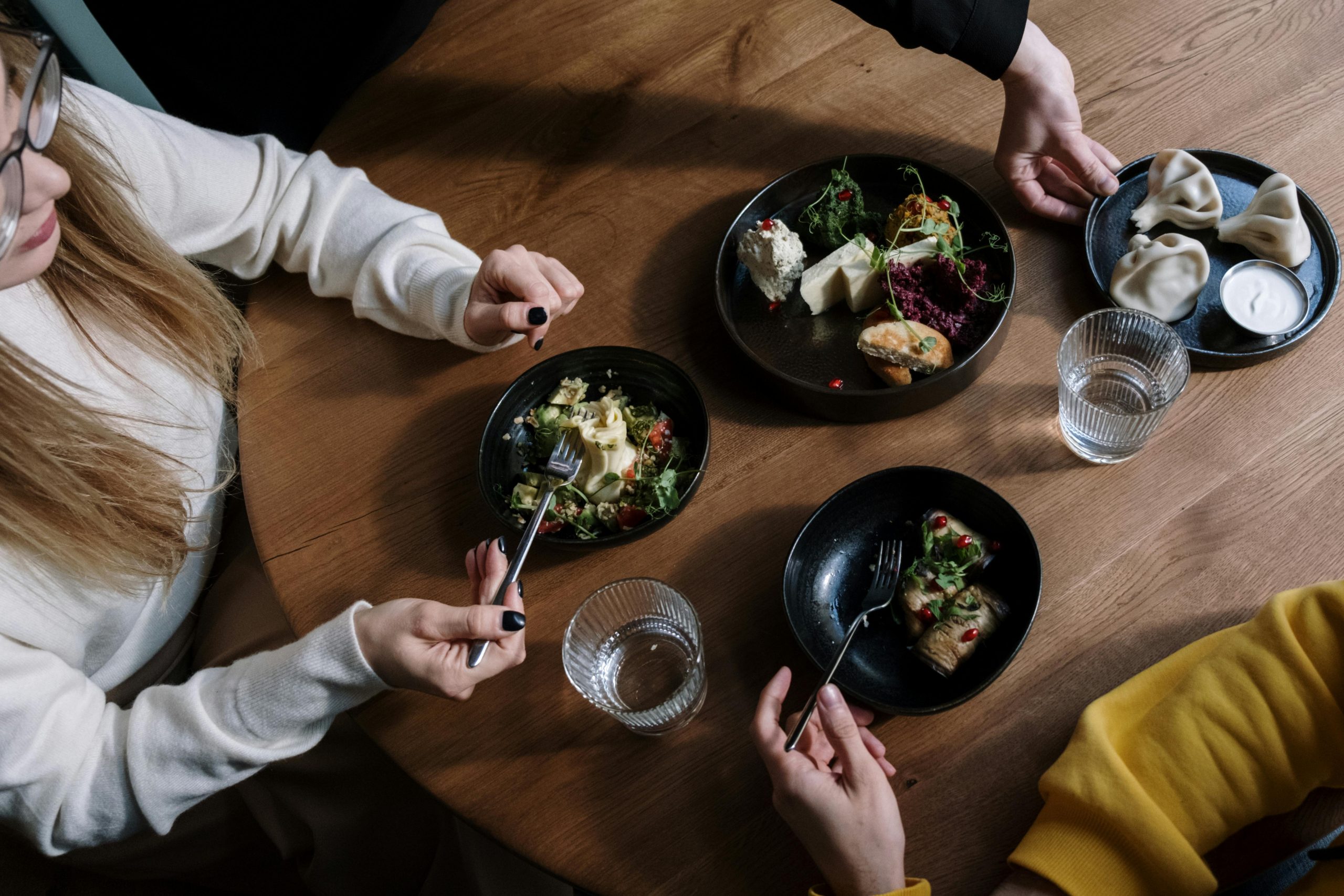
The resurgence of comfort meals in May 2026 is far more than a simple return to nostalgic flavors; it is a strategic response to a year defined by high-speed digital noise and economic pressure. As we navigate today’s news, the “Reset Meal” has emerged as the primary tool for emotional regulation, where consumers are choosing dishes that offer a “warm culinary hug” to combat the exhaustion of the “Always-On” era. This trend, highlighted in the National Restaurant Association’s 2026 What’s Hot Forecast, shows that people are gravitating toward “New Nostalgia”—elevated versions of childhood staples like smash burgers, slow-simmered roasts, and artisan mac ’n’ cheese. This shift is deeply relevant as it mirrors a broader cultural move toward “analog dining,” where the focus is on simple, high-quality ingredients that soothe the nervous system rather than overstimulate the senses. In 2026, the question of “What People Eat When They Need a Reset” is answered by a blend of familiarity and global exploration, such as Caribbean curry bowls or miso-infused shepherd’s pie, which provide a sense of “passport-free escape” without the cognitive load of a risky, unfamiliar splurge. These meals serve as a survival mechanism against “algorithmic estrangement,” offering a tangible, sensory connection to reality through flaky textures, gooey cheeses, and rich, savory broths that AI-generated content simply cannot replicate.
Furthermore, the 2026 fixation on comfort cooking is inextricably linked to the rise of “Food as Medicine” and the mainstreaming of metabolic health protocols. As burnout conversations dominate daily life, the reset meal has become a purposeful act of self-preservation, with a heavy emphasis on “better-for-you” comfort that integrates high-quality proteins and fiber-rich ingredients. People are increasingly seeking “cleaner” recipes—additive-free and less processed—to support their mental longevity and physical resilience in the face of grocery inflation and social media fatigue. This era of dining is characterized by “intentional indulgence,” where a monster shake or a premium smashed burger acts as a “little luxury” that feels affordable compared to the exorbitant costs of fine dining. By prioritizing local sourcing and transparent preparation, the 2026 comfort food movement aligns with a nurturing femininity and a desire for community, as families and individuals turn to the kitchen to find a baseline of safety and contentment. Whether it is a warming bowl of ramen or a perfectly seasoned patty melt, these dishes are the anchors of 2026, proving that when the world feels mentally draining, the most effective reset is found in the restorative power of a familiar, well-made meal that nourishes both the body and the soul. This collective return to the hearth signifies a permanent end to the era of performative, hyper-complicated food, replacing it with a refined standard of culinary comfort that celebrates the simple joy of eating well.
Leave a Reply