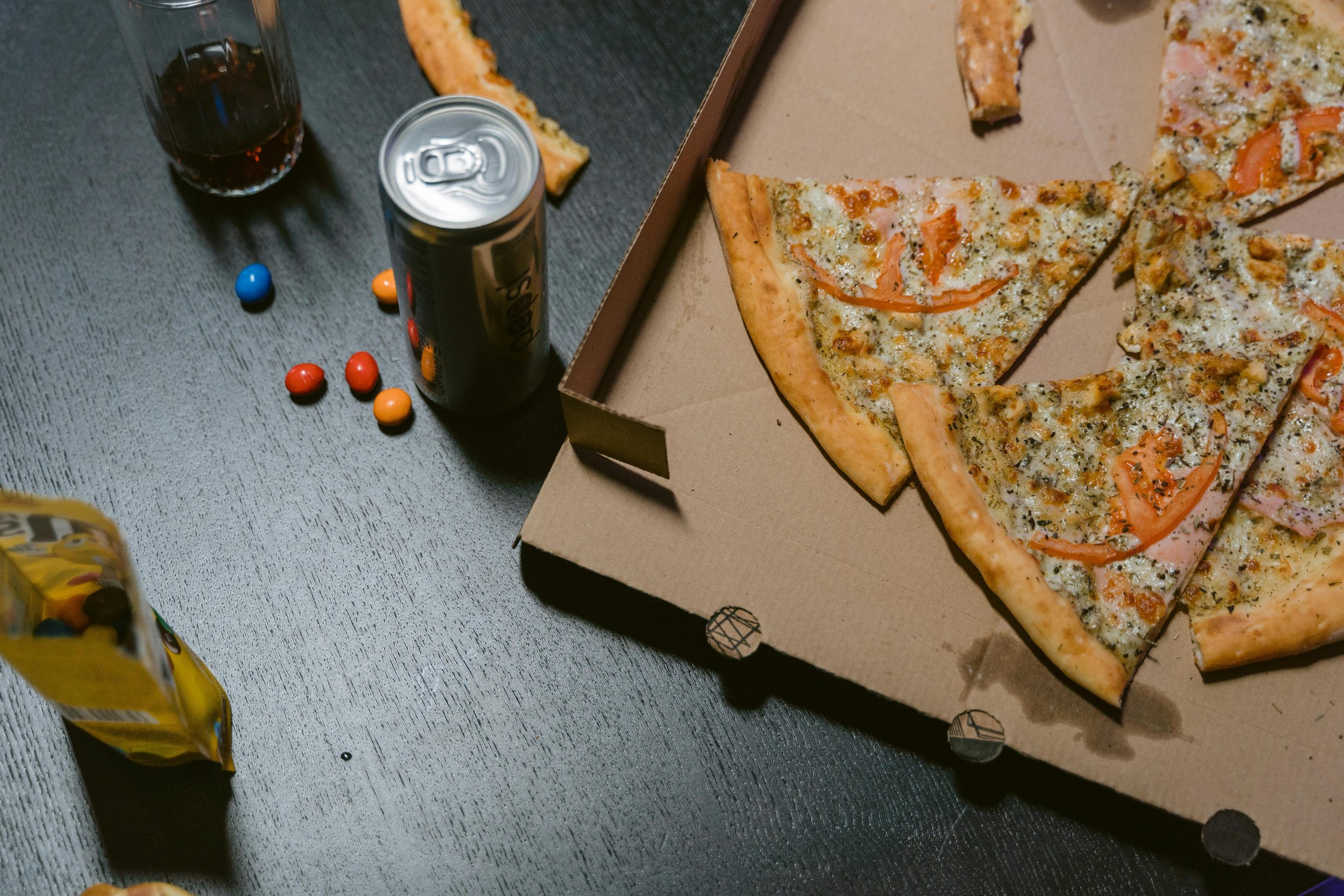
Late-night snacking has always had a cult following, but in 2026 it has fully migrated to social media feeds, creating a “snack culture” that’s as much about visibility as it is about flavor. Across TikTok, Instagram Reels, and YouTube Shorts, quick, indulgent, and visually satisfying snacks are dominating trending content. From gooey chocolate bites to inventive savory combos, the late-night snack has become a viral vehicle, capturing the imagination of audiences and transforming the way people think about casual eating.
What makes this trend so powerful is its shareability. Short-form videos thrive on content that is easy to consume and immediately gratifying. Late-night snacks are perfect for this: they’re quick to make, visually appealing, and inherently relatable. Viewers don’t need long tutorials or elaborate setups; a 15-second clip showing cheese melting on toast, cereal being transformed into a decadent dessert, or a creative microwave hack is enough to inspire millions of reproductions, shares, and duets.
The rise of late-night snack culture also reflects broader lifestyle patterns. People are living busier, more fragmented schedules, and meals are often less structured than in previous decades. Snacking becomes a flexible, accessible way to satisfy cravings without committing to full cooking routines. Social media amplifies this flexibility by encouraging experimentation—users remix, adapt, and personalize trends, creating endless variations that keep the culture dynamic and ever-evolving.
There’s a strong psychological component, too. Late-night snacking carries a sense of indulgence and rebellion. It taps into a feeling of freedom, a small reward after a long day, and content creators have learned to amplify that emotion visually. Warm, gooey, messy, or over-the-top snacks perform best because they trigger sensory responses that viewers can almost taste and smell through the screen. It’s a combination of immediacy, satisfaction, and relatability that makes these videos inherently sticky.
Social media platforms themselves accelerate the trend. Algorithms prioritize content that evokes reaction—likes, comments, shares—and snack videos hit those markers perfectly. They provoke cravings, nostalgia, humor, and awe simultaneously. Some creators have even turned late-night snack content into monetized formats, partnering with brands, selling recipe e-books, or launching limited snack drops that capitalize on viral momentum. In this way, indulgence and commerce are increasingly intertwined.
The trend also demonstrates a broader cultural fascination with micro-moments of pleasure. People no longer just consume food; they consume experiences, share rituals, and participate in collective enjoyment online. A late-night snack isn’t just a bite—it’s content, community, and culture rolled into one. Recipes spread virally, audiences comment, duet, and remix, and the shared enthusiasm drives the next wave of trends almost instantly.
Interestingly, the trend isn’t just about indulgence—it also blends creativity with practicality. Many of the viral snacks are surprisingly simple to make, using pantry staples or minimal equipment. The focus is on approachability: if viewers can recreate it themselves, the content gains traction exponentially. Simplicity and visual appeal work hand in hand, making these snacks perfect fodder for short-form social media.
Ultimately, late-night snack culture in 2026 is a perfect example of how food, media, and social behavior intersect. Quick, indulgent, and shareable content wins because it satisfies immediate sensory and social desires. People are hungry not just for flavor, but for connection, creativity, and participation. In a world of rapid scrolling and endless content, the perfect late-night snack is more than a bite—it’s a viral moment waiting to happen.
Leave a Reply