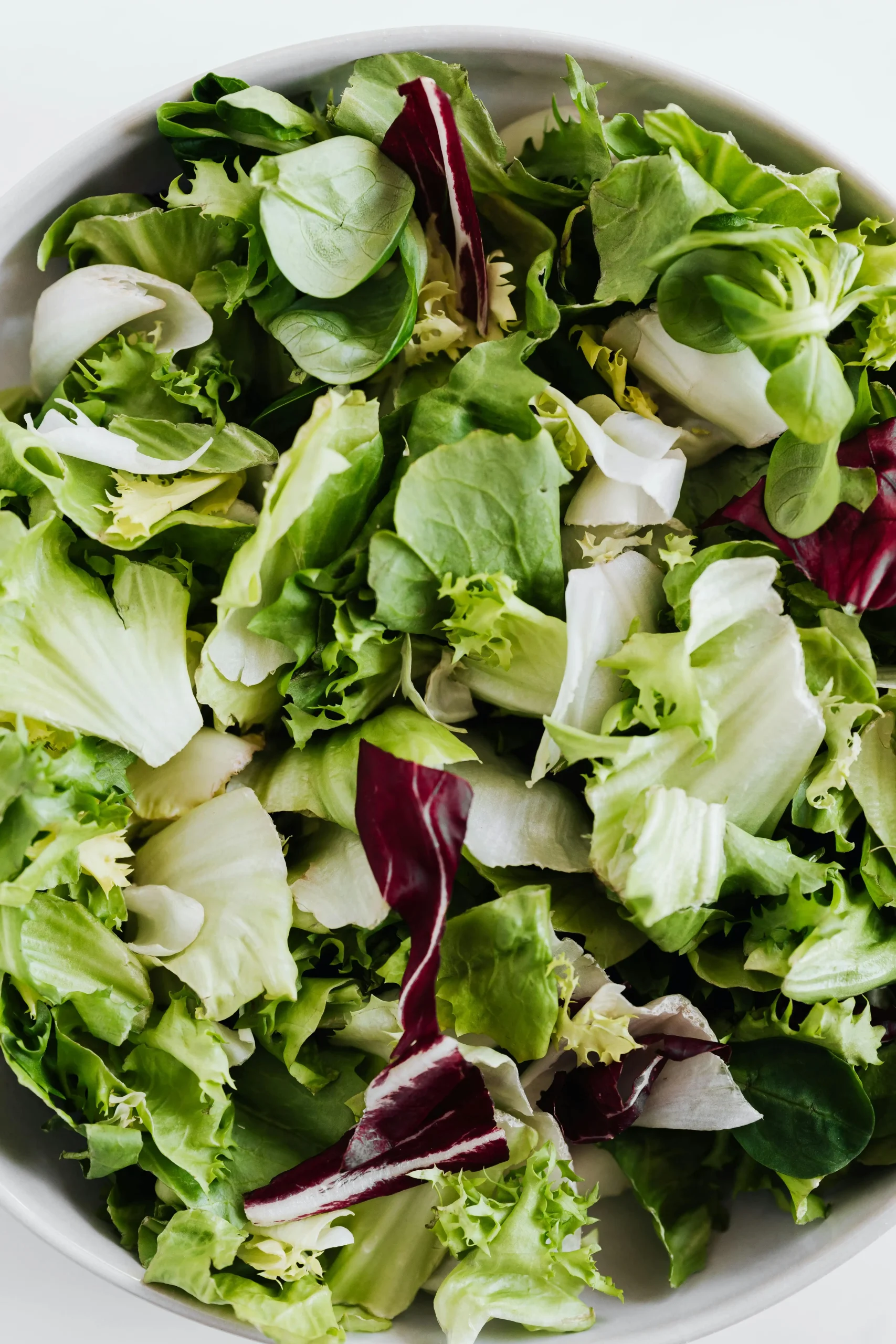
The culinary landscape in 2026 is evolving faster than ever, with bold trends driven by wellness culture, nostalgic flavors, sustainability, and even social media fads. This year’s food trends aren’t just about taste — they reflect shifting consumer priorities around gut health, authenticity, sensory experiences, individuality, and affordability. From the rise of fibermaxxing to the unexpected cultural embrace of cabbage‑core, here’s a comprehensive look at the biggest food trends taking over 2026.
1. Fibermaxxing: The Year of Gut Health
What Is Fibermaxxing?
“Fibermaxxing” is more than a buzzword — it’s one of 2026’s defining nutrition movements. This trend encourages people to dramatically boost their daily fiber intake — aiming for 30 grams or more of fiber each day to promote gut health, digestion, and overall wellbeing.
Although fiber has long been praised by nutritionists, fibermaxxing comes from a new cultural wave — amplified on social media platforms like TikTok — in which fiber is seen not just as a dietary guideline, but as a wellness priority. Foods like whole grains, legumes, fruits, roasted vegetables, and prebiotic beverages are now being spotlighted in creative ways to make high‑fiber eating both tasty and satisfying.
Why It’s Trending
- Gut health obsession: Consumers tie fiber to improved digestion, better immune function, and even cognitive benefits.
- Industry reinvention: Big food brands are innovating fiber‑forward snacks, beverages, pastas, crackers, and bars to meet rising demand.
- Shift from protein dominance: Trends show a pivot away from protein‑only narratives to broader nutrient balance — with fiber emerging as the “next big nutrient.”
What It Means for Food Lovers
Expect fiber‑infused products everywhere — from cereals and baked goods to gut‑friendly drinks and retro food staples reimagined with added fiber. Traditional recipes are being updated with beans, chicory, cassava, konjac, and other high‑fiber ingredients that nourish while they satisfy.
2. Cabbage‑Core: The Humble Vegetable Takes Center Stage
From Side Dish to Star Ingredient
If cauliflower reigned supreme earlier in the decade, cabbage is 2026’s breakout vegetable. Thanks to its versatility, nutrition, affordability, and surprising culinary flexibility, cabbage isn’t just a side dish anymore — it’s a main event.
“Cabbage‑core” — a term echoing aesthetic movements like cottagecore — reflects spending interest in everything cabbage‑centric. Pinterest Predicts data shows search increases for dishes like cabbage dumplings and cabbage tacos, and chefs are incorporating the leafy brassica into everything from kimchi cocktails to blistered cabbage steaks.
Why Cabbage Is Trending
- Nutrition meets affordability: Cabbage is packed with vitamins, fiber, and antioxidants, making it a go‑to for health‑minded yet budget‑conscious home cooks.
- Cultural and social media buzz: Viral recipes and creative cabbage uses — raw, roasted, fermented, or braised — have turned this formerly humble vegetable into a culinary canvas.
- Cabbage in culture: The trend goes beyond food — cabbage motifs are appearing in design, decor, and fashion cultures too, adding to its trend status.
How to Eat Cabbage in 2026
Cabbage is everywhere — from crunchy slaws and stuffed tacos to fermented kimchi and hearty cabbage bowls. Chefs and home cooks alike love its ability to absorb bold flavors and textures, making cabbage an ingredient that’s both functional and exciting.
3. Sensory Maximalism: Texture, Sound & Flavor Combined
Food in 2026 isn’t just about taste — it’s about multi‑sensory experience. A trend known as sensory maximalism pushes foods that engage all the senses — think crunchy boba pearls, explosive popping candies, layered textures, and bold aroma profiles that make eating a moment of joy and discovery.
This movement also ties into the growing preference for food as personal indulgence — where meals and snacks aren’t merely sustenance, but therapeutic, playful, and comfort‑driven. Creative texture contrasts and interactive foods reflect consumer desire for emotional satisfaction as much as flavor.
4. The “Me‑Me‑Me” Food Culture: Solo Dining & Personalization
2026 is also seeing a rise in solo dining culture — driven partly by lifestyle shifts and changing eating patterns. Consumers increasingly seek single‑serve, customizable meals and snacks tailored to individual tastes and needs.
Instead of traditional family meals, individuals are choosing foods that are easy to prepare, fun to customize, and reflective of personal identity. Healthy bowl trends, customizable quick meals, and individual fermentation kits are just a few examples of how food culture is adapting to the modern eater’s lifestyle.
5. The Return of Real Meat (and Authentic Protein)
While 2020s cuisine saw a strong plant‑based movement, 2026 is seeing a renewed interest in authentic, unprocessed animal proteins. Recent trend data suggests growing demand for real meat — particularly grass‑fed cuts, heritage breeds, and traditional preparation methods — as consumers crave simplicity and transparency.
Plant‑based alternatives remain popular, but many diners now prefer quality over imitation, favoring authentic flavors and nutrient‑dense animal proteins over highly processed substitutes.
6. Fiber‑Forward Drinks & Functional Beverages
Beyond food, 2026 sees a rise in functional beverages designed with health and gut wellness in mind. Prebiotic colas, gut‑friendly sodas, and fiber‑enriched drinks are entering mainstream distribution, turning once‑novel categories into everyday habits.
Brands are realizing that consumers want nutrition without sacrifice, so they’re infusing familiar beverages with fiber, probiotics, and other functional ingredients that support digestion and immunity.
7. Practical Pantry Staples: Budget Nutrition & Global Roots
Affordability and practical cooking are also shaping trends in 2026. Home cooks are prioritizing kitchen staples that deliver flavor, nutrition, and flexibility without breaking the bank. Vegetables like cabbage fit perfectly into this mindset, but so do versatile ingredients like beans, legumes, whole grains, and traditional fats like beef tallow — the latter making a nostalgic comeback in some kitchens.
These trends reflect a shift toward home‑centered cooking, where dietary choices are driven by wellness, heritage flavor, and culinary curiosity as much as convenience.
8. Elevated Comfort: Nostalgia with a Twist
Comfort food isn’t going away — but in 2026, it’s being reinvented with global influences and elevated techniques. Expect to see classics like stews and roasted dishes updated with international spices, fermentation, and textural contrasts that turn familiar meals into innovative, craveable experiences.
9. Sustainability Still Matters
Although not always a headline trend, sustainability continues to influence food choices, from reducing waste and prioritizing whole foods to choosing seasonal and local produce. Many of the major trends — like cabbage, fibermaxxing, and authentic meat — intersect with environmental and health priorities, showing that 2026’s food culture isn’t just about flavor — it’s also about long‑term wellbeing and ethical consumption.
10. The Future of Flavors: What’s Next?
Looking forward, food experts predict that creativity in texture, boldness in heritage ingredients, and tech‑driven personalization will continue shaping culinary trends beyond 2026. As consumers become more health‑savvy and experience‑oriented, we may see further innovations around microbiome‑centric diets, AI‑influenced recipe creation, and global fusion flavors that tell stories beyond the plate.
Conclusion: Food in 2026 Is Personal, Health‑Focused and Playful
The biggest food trends of 2026 — from fibermaxxing and gut‑centric nutrition to cabbage‑core, sensory play, and authentic meat appreciation — reflect a broader shift in how we think about eating. Food isn’t just fuel anymore; it’s wellness, personality, indulgence, and cultural expression blended on one plate.
Whether you’re revamping your home recipes or exploring global cuisine, these trends offer a roadmap to what’s tasty, relevant, and meaningful in the year ahead — and show that sometimes the biggest shifts come from the smallest ingredients, like fiber and humble cabbage.
Leave a Reply