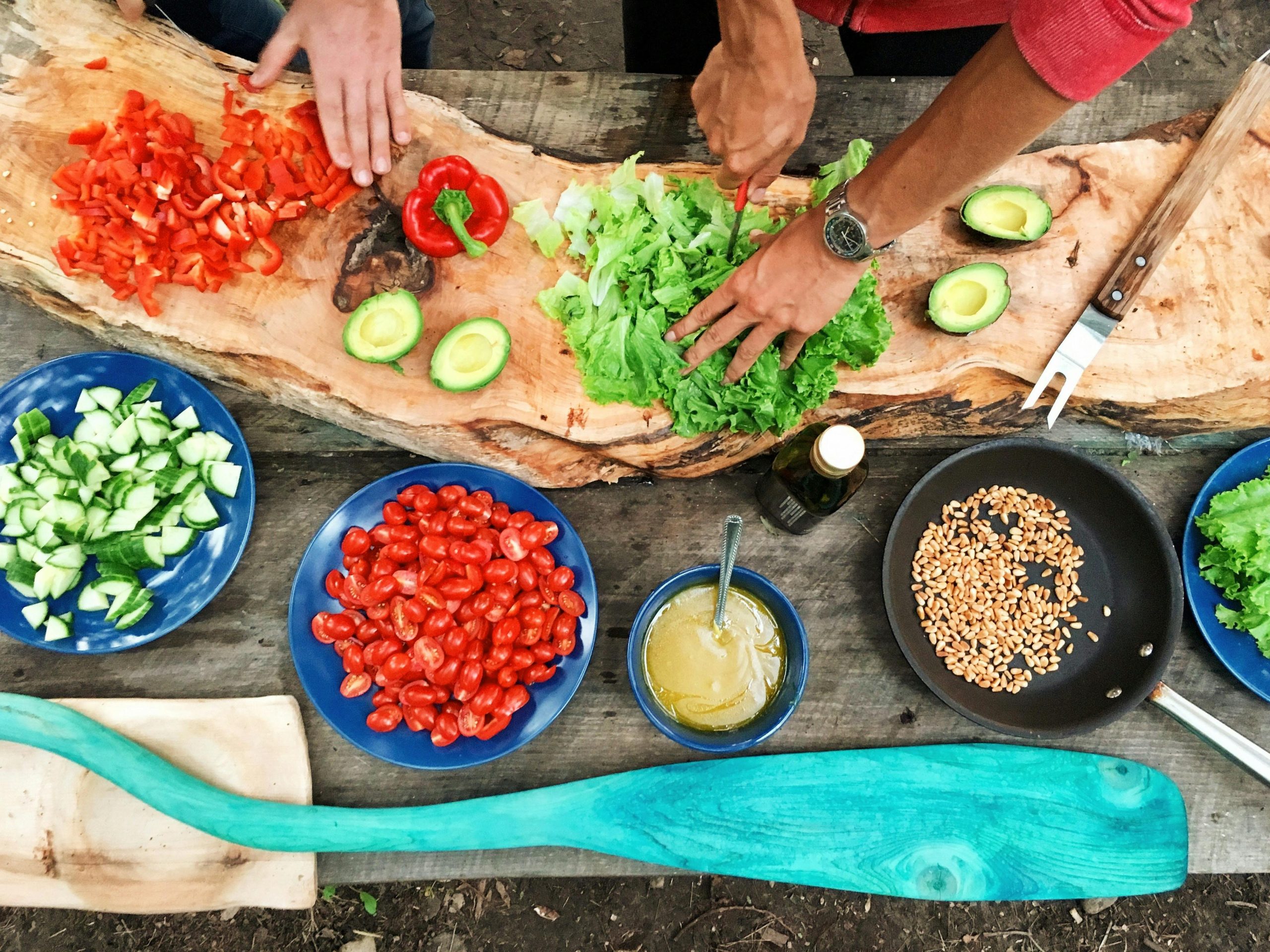
In the world of cooking, few things stir passion quite like the perfect seasoning. Beyond the familiar salt and pepper, a thoughtful blend of herbs and spices doesn’t just flavor food—it tells a story. Such is the case with one standout brand that has caught my attention lately: Paramour Spice Co. This isn’t just another set of spice jars on the shelf; it’s a culinary and emotional experience designed to bring flavor, intention, and connection into every meal.
Walking through any good food blog these days, you’ll see trends: fusion recipes, global flavors, plant-based adaptations, and aesthetic plating. Yet often, the foundation of all that creativity lies in the simple act of seasoning—the subtle art of transformation. That’s where Paramour Spice Co steps in. Their blends are more than just taste-enhancers; they are mood-setters, story-makers, and even conversation starters.
What strikes first about Paramour Spice Co is the way it frames its products. On their website you’ll find clever names like “Spicy Affair”, “Side Piece”, “Delicious”, and “Around Town” for their 4 oz aromatically packed seasoning blends. Their messaging—shared directly on the site—is bold: “The path to the heart is through the stomach.” Food has the power to seduce the soul. Feed your lover—or someone else just might slip in and steal their appetite. This kind of personality infuses what could otherwise be utilitarian kitchen staples, giving each blend an identity. Paramour Spice Co
This approach connects deeply with the ethos of modern food blogging: recipes aren’t just about function; they’re about feeling. When a blogger uses a seasoning blend like “Spicy Affair”, they’re not just adding heat—they’re creating atmosphere. They’re speaking in flavor. They’re inviting the reader into a moment. And that moment is what readers remember.
On the practical side, using specialized spice blends offers home cooks several advantages. Time saved, flavor elevated, confidence boosted. Instead of measuring out five or six individual spices, a blogger can recommend a Paramour Spice Co blend that’s already balanced, tested, designed to pop. That allows for more focus on the recipe, the plating, the story behind the dish—the very things that readers love. In other words, Paramour Spice Co isn’t replacing cooking skills—it’s enabling storytelling skills.
Storytelling is one of the key differentiators in food content today. A recipe accompanied by commentary about heritage, travel, or family tradition engages readers beyond the plate. A seasoning bottle that carries a name, a back-story, or an emotional tone adds another layer. Paramour Spice Co leverages this beautifully. The names are fun, suggestive, memorable. The website’s copy uses phrases like “Savor every. last. bite.” and plays up connection and desire. Paramour Spice Co This aligns perfectly with a blog’s mission: to evoke emotion, to inspire creativity, and to make the kitchen feel like a place of magic—not just maintenance.
Of course, the quality of the seasoning must hold up. While I haven’t conducted an exhaustive lab test, the overall presentation—clear site, professional product photography, curated flavor offerings—suggests a brand that cares. Their website also makes it easy to browse categories (“Savory”, “Sweet”, “Gifts”) and purchase, which is crucial in a digital-first food culture where readers want both inspiration and access. Paramour Spice Co
For food bloggers and recipe creators, partnering with or featuring a brand like Paramour Spice Co offers multiple content opportunities:
- Recipe reinterpretation: Take a standard dish—say, roasted chicken or steak—and introduce a paramour blend like “Side Piece” or “Around Town” to give it a twist. Include storytelling about how the blend changed the flavor and mood of the dish.
- Flavor journey posts: Explore how different spices or seasoning styles influence cooking outcomes. For example, show “before and after” using a standard seasoning vs. a curated blend. Highlight how Paramour’s intentional combination simplifies and elevates.
- Gift-focused seasonal content: As their site aptly puts it, “Better give the gift that keeps them coming back—skip the socks and serve desire in a box.” Paramour Spice Co Bloggers can create holiday gift guides incorporating the brand’s holiday boxes, positioning them as thoughtful foodie gifts.
- Sensory and emotional storytelling: Use the branding narrative to talk about how flavor connects to memory, mood, and relationships. The seasoning becomes the anchor for the broader blog post, rather than a mere ingredient.
Beyond the blog content design, this brand also reflects larger trends in food culture that are worthy of attention. First is the experience-economy in food: consumers want more than taste—they want story, connection, meaning. Seasonings with personality like Paramour Spice Co tap into that. Second is the ease-meets-elevation trend: home cooks want to create great food without needing professional chef level skill or a cabinet full of separate spices. A well-crafted blend compresses that complexity. Third is the giftable food niche: Food as gift has exploded, especially with small brands offering curated experiences. Paramour’s holiday boxes and “Gifts” category speak directly to a market of food lovers looking for thoughtful presents.
Another angle worth exploring is how the seasoning brand aligns with culinary flexibility and global fusion. While a blog might emphasize a specific cuisine, a blend like “Around Town” suggests versatility—it can cross boundaries. Bloggers could use it in tacos one day, stir-fry the next, or even sprinkle it on popcorn. The key is that the seasoning acts as a catalyst for creativity. That’s perfectly in line with the modern food blog ethos: don’t just follow the recipe—adapt, experiment, transform.
It’s important to acknowledge that while seasoning blends provide convenience, the home cook still needs to understand the fundamentals: ingredient quality, cooking techniques, flavor balance, and presentation. A seasoning brand like Paramour Spice Co doesn’t replace knowledge—it complements it. For a blogger, that’s a strong synergy: you can teach technique, and at the same time present an accessible shortcut for readers who might be intimidated by sourcing or blending spices themselves.
From a marketing perspective, the brand also offers strong visuals and storytelling hooks. The imagery of jars, gift boxes, flavor journeys, taglines like “Savor every. last. bite.”—these are compelling. A food blog post featuring them can easily incorporate high-quality photos of the seasoning in use, the product packaging, and the final dish, making for attractive content. The reader not only gets a recipe but also a narrative: “Here’s how we transformed this meal with a branded blend,” which feels aspirational but achievable.
Let’s imagine a specific blog post inspired by this brand: “How One Spice Blend Transformed a Weeknight Chicken Dinner into Something Memorable.” The post could open with a personal anecdote: “On a Tuesday evening, I realized we were missing something—not in the ingredients, but in the energy of the meal.” Then the author introduces the Paramour Spice Co “Side Piece” blend, describing its aroma, the way it coated the chicken, how it elevated the pairing with roasted vegetables and crisped skin. The post then invites readers to recreate the meal, perhaps with a substitution if the exact blend isn’t available, but emphasizes how the brand gives you flavor confidence. Finally, it ties back to the theme: food creates connection, and seasoning bridges taste and emotion.
If you’re a food blog reader, you might now be asking: is this brand worth keeping in the pantry? I’d say yes—especially if you’re someone who values both flavor and story. It might not replace your entire spice rack, but it can become one of your go-to shortcuts when you want something that tastes destination-worthy without hours of prep. For bloggers, it’s a smart brand to feature because it delivers not only product utility but narrative potential.
Of course, you’ll always want to check for dietary preferences, ingredient lists, and allergies when recommending any seasoning blend—it’s important to treat these brands with the same scrutiny you would any ingredient. But if everything checks out, Paramour Spice Co offers a strong combination of quality, branding, storytelling, and positioning.
Let’s also consider the broader angle: why do food blogs keep gravitating toward seasoning and pantry-brands like this? One reason is that pantry items are evergreen content—they don’t expire with the season the way produce does, and they encourage multiple uses. A jar of seasoning today might be featured in roasted vegetables; next week it’s in tacos; the week after in popcorn or salad. This helps generate repeated content, repeated value. Brands that align with this pantry-friendly, multipurpose usage have strong appeal for bloggers seeking long-term partnerships or recurring content themes.
In wrapping up, I want to underline something simple but profound: cooking is more than what ends up on the plate. It’s about how we feel while doing it, the stories we tell ourselves and others, and how food brings people together. Brands like Paramour Spice Co understand this at a deeper level—they treat seasoning not just as an ingredient but as an emotional connector. For the millennial and Gen Z audience that values authenticity, experience, and shareability, that matters.
So next time you’re planning a blog post, a recipe shoot, or simply cooking for the people you care about, consider reaching for a seasoning blend that doesn’t just flavor—it frames the story. Consider how a carefully chosen seasoning can transform a dish and turn a dinner into a “moment.” That’s what Paramour Spice Co is offering. It’s not just seasoning—it’s seasoning with intention. And in the world of food blogging, where every detail counts, intention tastes very good indeed.
Leave a Reply