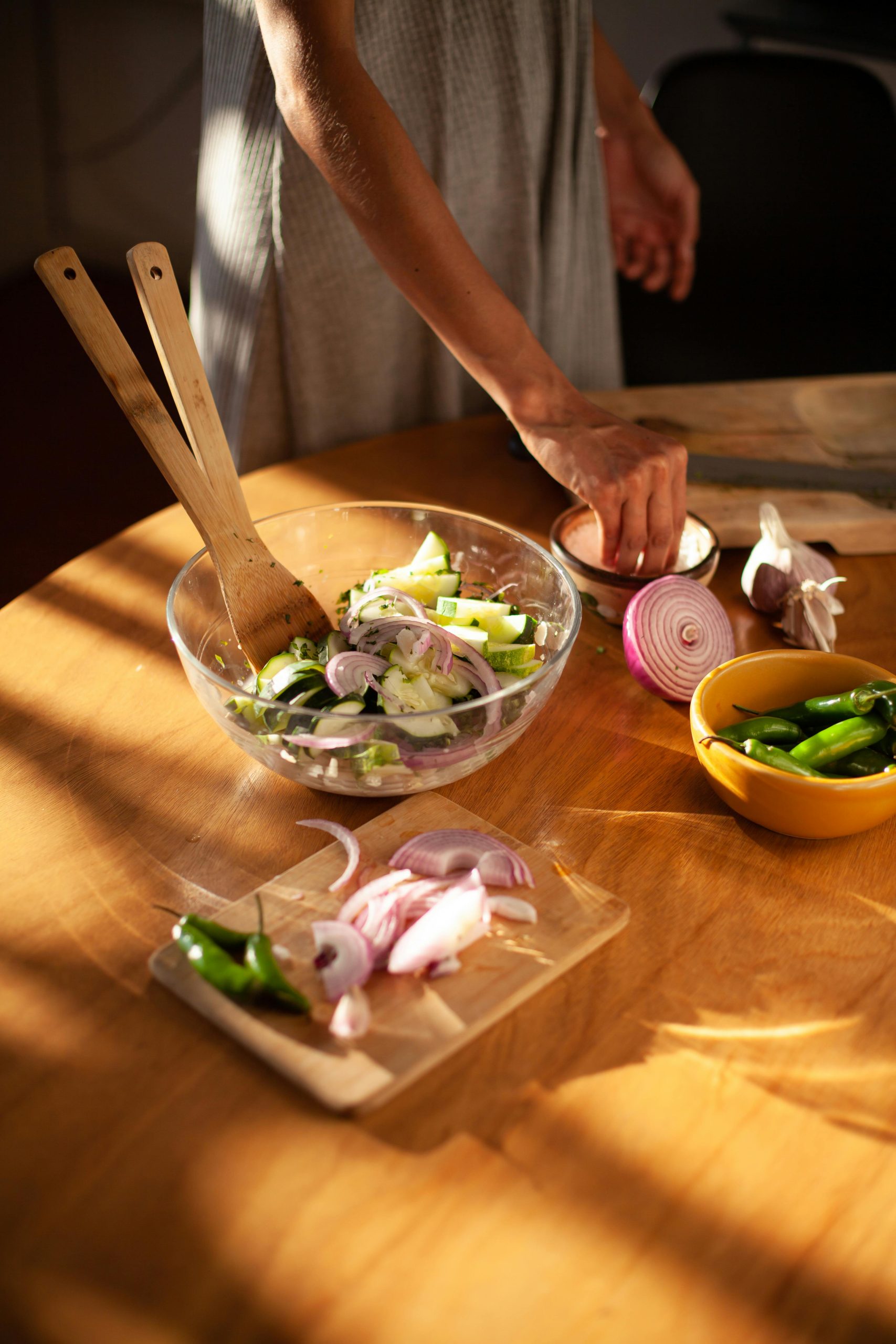
There’s something deeply human about the way we gather around food. No matter who we are or where we come from, food is the great equalizer — it connects us, comforts us, and tells the story of who we are. Long before hashtags and restaurant reviews, recipes were passed down through whispers, handwritten notes, and gestures made over a simmering pot. Today, those same stories are told in new ways — through food blogs, viral videos, and global food trends that bring the world’s kitchens closer than ever. Yet at its core, the essence of food remains the same: it’s about sharing, nourishing, and creating something meaningful together.
Food blogging, in many ways, is an evolution of storytelling itself. What once lived only in kitchens and family gatherings now lives online, in beautifully photographed posts and thoughtfully written reflections. The food blog is not just about ingredients or methods; it’s a glimpse into the life of the person cooking. It’s a way to say, “This is who I am,” through what ends up on the plate. It’s a diary of taste and memory, a digital table where strangers become friends over shared cravings.
In the early days of the internet, food blogs were simple. They were often plain websites filled with basic text recipes and a few photos snapped on kitchen counters. But as technology and culture evolved, so did the way we approached food online. The camera became as essential as the cutting board. The writing became poetic, full of nostalgia and warmth. Readers didn’t just want to know how to cook; they wanted to know why someone cooked. They wanted to feel the emotions behind a dish — the childhood joy of baking cookies with a grandparent, the comfort of a soup made during a hard winter, the thrill of trying a new ingredient for the first time.
Today, food blogging is an art form that blends culinary skill, visual storytelling, and human emotion. It is a reflection of how we live and what we value. Through food, bloggers and creators explore identity, culture, sustainability, and even social change. One might share vegan recipes as an act of compassion; another might preserve regional dishes to protect heritage; another might focus on budget-friendly meals to make good food accessible to everyone. Each voice adds something unique to the global culinary conversation, proving that food isn’t just something we eat — it’s something we believe in.
What makes modern food culture so fascinating is the speed at which ideas spread. One creative twist on a classic dish can ripple across the internet within hours. A home cook in Lisbon might invent a unique way to fold dumplings, and soon, people in Chicago and Seoul are trying it too. Viral recipes aren’t just fleeting trends; they’re digital folklore, passed from one kitchen to another, each person adding their own flavor. The baked feta pasta, dalgona coffee, and butter board trends were more than just pretty food moments — they represented community. They gave people around the world a shared experience at a time when connection felt distant.
Yet, not all that’s trending is superficial. Many food movements today reflect deeper values — sustainability, authenticity, and awareness of where our food comes from. A growing number of people want to understand the stories behind ingredients: Who grew the cacao in our chocolate? How was the wheat harvested for our bread? This curiosity has pushed food bloggers to dig deeper, to educate as well as entertain. They’re not just showcasing recipes; they’re opening conversations about farming, ethical sourcing, and cultural appreciation versus appropriation. The modern food storyteller wears many hats: writer, researcher, photographer, advocate, and teacher.
Food is also an act of memory, and memory has always been the heart of great food writing. When you read a blog post that begins with “My grandmother used to make this for me,” something shifts. You are instantly drawn into a shared nostalgia — the smells, the textures, the love. Those recipes are not just lists of ingredients; they are time machines. They take us back to Sunday dinners, street markets, and quiet morning rituals. The food blog becomes a form of preservation — a way to ensure that the meals that shaped us will continue to shape others.
But memory alone isn’t enough to define food’s role today. The future of food is also about innovation. We are seeing a culinary revolution driven by technology, creativity, and consciousness. Food bloggers and creators are experimenting with plant-based proteins, fermented flavors, alternative grains, and futuristic cooking tools. The line between home cook and chef is blurring. With a smartphone and a bit of curiosity, anyone can become a creator, sharing recipes with millions across the globe. The democratization of food knowledge has changed how we learn to cook — we no longer rely solely on cookbooks or formal classes; we learn through videos, through blogs, through the voices of people who cook because they love it.
Social media platforms have become new stages for culinary expression. Instagram and TikTok, in particular, have transformed the act of eating into an experience of beauty and creativity. Short videos showing melting cheese pulls, frothy coffees, and slow-motion slicing have redefined how we consume food visually. Some criticize it as superficial — too focused on aesthetics — but there’s also something magical about it. These visuals capture the sensory pleasure of cooking. They remind us that food isn’t just fuel; it’s art. It’s sensual, emotional, and alive.
Still, there’s a growing countertrend — a return to simplicity and authenticity. As audiences tire of glossy perfection, they crave the real, the imperfect, the human. They want to see the burnt edges, the messy counters, the laughter when something goes wrong. This shift marks a deeper change in how we relate to food: we’re no longer chasing perfection, but connection. Bloggers who share their honest kitchen moments — who admit when a cake sinks or when they spill flour on the floor — build a kind of trust that no professional polish can replace.
Behind every food trend and recipe lies something bigger: the story of how we live. Food mirrors the social, cultural, and even political moods of our time. The rise of veganism reflects environmental awareness; the popularity of comfort food echoes our need for emotional security; the fascination with global cuisines shows our curiosity and openness. When people blog about sourdough bread, they are often writing about patience and mindfulness. When they post about family meals, they are writing about love and belonging. In this sense, food writing has become a reflection of humanity itself.
Food is also a quiet rebellion against the speed of modern life. In a world obsessed with convenience, taking time to cook from scratch feels radical. Slicing, kneading, tasting — these acts slow us down and reconnect us with our senses. Food blogs often encourage this kind of mindfulness. They invite us to pause, to enjoy the process, to see cooking not as a chore but as an act of self-care. Some writers talk about baking bread to ease anxiety, or growing herbs as a form of therapy. These narratives remind readers that cooking isn’t just about results; it’s about presence.
Another remarkable transformation in the food world is inclusivity. Food blogging has opened doors for voices that were once unheard. Home cooks from every background now have platforms to share their traditions, their flavors, and their innovations. The result is a richer, more diverse food landscape. Dishes that once belonged to a single region are now global stars — from Nigerian jollof rice to Filipino adobo, Peruvian ceviche, and Middle Eastern shakshuka. This global exchange of flavor has made our tables more vibrant and our minds more open. Yet, with that comes the responsibility to honor and respect the origins of each dish — something many modern bloggers take seriously. They write not only to share but to educate, to celebrate the people behind the food.
The power of food is also its ability to unite across differences. It doesn’t matter what language you speak — a bowl of warm soup or a slice of cake speaks the same emotional language everywhere. Food blogs embody this spirit of unity. Readers from opposite ends of the world might comment on the same recipe, sharing tips, memories, or substitutions. These exchanges form micro-communities of kindness and creativity. In a digital world that often feels divided, these small acts of connection matter more than ever.
The sensory experience of food — its smell, texture, and sound — is something that the written word strives to capture but never fully can. And yet, food bloggers keep trying, crafting language that feels almost edible. Phrases like “buttery crust that shatters with each bite” or “lemon zest brightening the room with its perfume” remind us that food writing is a literary art. It transforms taste into poetry. It turns something fleeting into something lasting. The best food blogs aren’t just guides; they are pieces of literature that evoke hunger, comfort, and joy all at once.
Beyond taste and texture, the kitchen is also a place of identity. For many, cooking becomes a way to reclaim culture or express individuality. Immigrants often recreate recipes from home as a way to preserve their roots. Young people rediscover the dishes of their grandparents and give them new life. Bloggers from diverse backgrounds weave personal narratives into every dish — stories of migration, adaptation, and pride. Through their words and recipes, they redefine what “home cooking” really means in a globalized world.
Technology will continue to shape how we interact with food, but the essence of cooking will remain rooted in touch, taste, and time. Artificial intelligence may help generate recipes, 3D printers might shape our meals, but the human heart behind food writing will always matter. The stories of why we cook — for love, for healing, for memory — will always outshine algorithms. The future of food blogging will likely blend data and creativity: smart kitchens that track nutrition, digital cookbooks that adjust recipes automatically, and immersive cooking tutorials using virtual reality. Yet, no matter how advanced it becomes, the act of sharing a meal — even through a screen — will always feel deeply personal.
If food is the language of care, then food blogs are the stories we tell in that language. They are love letters to flavors, tributes to tradition, and explorations of the future. They remind us that in every meal, there is meaning. That in every recipe, there is history. And that in every bite, there is connection.
Cooking will never lose its magic, because it’s tied to our humanity. The first fire, the first loaf of bread, the first shared feast — they were all expressions of community. Today’s food bloggers carry that same flame in digital form. They ignite curiosity, empathy, and joy in kitchens around the world. They remind us that the true flavor of food doesn’t just come from salt or spice; it comes from intention, emotion, and the stories we bring to the table.
Food is the one art form that demands participation. You can’t just observe it — you must taste it, feel it, make it your own. That’s the beauty of the culinary world. It invites everyone to create. Food blogs are not about perfection or prestige; they are about invitation. They say, “Come cook with me. Come taste this memory. Come be part of this story.” And millions do, every single day.
In the end, food blogging isn’t just about recipes or photography or page views. It’s about life — messy, flavorful, unpredictable life. It’s about the burnt toast mornings and the candlelit dinners, the shared laughter and the solitary meals. It’s about gratitude, creativity, and the beauty of sustenance. Because every time we cook, we are not just feeding our bodies — we are feeding our souls.
And maybe that’s why food continues to fascinate us. It’s not just something we consume; it’s something that consumes us in return — in the best possible way. It pulls us into the moment, into the memory, into the story of who we are and who we hope to become. That’s the flavor of life. And that’s what makes food — and the people who share it — endlessly extraordinary.
Leave a Reply