Food is more than just fuel—it’s a lens through which we experience culture, creativity, and connection. In today’s fast-paced, digital-first world, food blogs have become the ultimate guide to exploring flavors, experimenting with recipes, and staying ahead of culinary trends. They serve as a virtual kitchen, a place where home cooks and seasoned chefs alike can gather inspiration, learn new techniques, and share their love of cooking with a global community. Every dish tells a story, and every recipe holds the potential to bring people together, evoke memories, and even spark new traditions.
The evolution of food blogging reflects broader changes in how we consume and think about food. While traditional cookbooks still hold value, blogs allow for real-time engagement, step-by-step guidance, and the ability to respond to seasonal ingredients or viral trends almost instantly. For example, a recipe featuring fresh summer berries can go live the same day they peak in local markets, or a creative take on an emerging TikTok trend can spread globally in hours. This immediacy gives food bloggers the unique opportunity to be both educators and trendsetters, shaping how readers cook, eat, and share their experiences.
At the heart of every successful food blog is the story behind the food. Recipes are no longer just instructions—they are narratives. Consider a simple bowl of pasta. It might appear ordinary at first glance, but a food blogger could elevate it by sharing the origin of the sauce, the inspiration from a family recipe, or tips for achieving the perfect al dente texture. Through vivid descriptions, readers can almost smell the garlic sizzling, hear the pasta boil, and taste the blend of flavors. This approach transforms cooking from a routine task into an immersive sensory experience, making readers feel connected to both the food and the cook.
Modern food blogs thrive on a balance of tradition and innovation. Classic recipes, passed down through generations, provide comfort and nostalgia, while new creations satisfy the craving for novelty and excitement. A blogger might explore how to perfect a traditional lasagna while also experimenting with global influences, like adding miso to the béchamel or incorporating za’atar-spiced breadcrumbs. The interplay between old and new keeps readers engaged and encourages them to push their culinary boundaries.
Food trends have never been more visible than in the era of social media. Viral recipes—like whipped coffee, baked feta pasta, or rainbow bagels—showcase the power of visual appeal and shareability. Platforms like Instagram and TikTok have made presentation as important as taste, encouraging home cooks to experiment with color, plating, and creative combinations. Food bloggers amplify these trends by providing accessible instructions and tips, turning seemingly intimidating viral dishes into achievable home recipes. The result is a participatory culinary culture where readers not only consume trends but also contribute their own variations and innovations.
Health-conscious eating has become a dominant theme in modern food blogs. Ingredients once considered niche—like quinoa, chia seeds, jackfruit, and nutritional yeast—are now mainstream, and readers increasingly seek meals that balance taste and nutrition. Bloggers respond by creating recipes that deliver flavor without compromising wellness, from low-carb comfort foods to plant-based desserts that satisfy a sweet tooth. This shift reflects broader societal trends: people are paying closer attention to how food affects energy, longevity, and overall well-being. By offering guidance on healthier alternatives, portion control, and ingredient swaps, food blogs help readers make informed choices while still enjoying indulgence.
The global reach of food blogs has also introduced readers to new cuisines and ingredients, expanding culinary horizons. Ingredients like gochujang, tamarind, or sumac, once rare, are now accessible through online markets and specialty stores. Bloggers not only provide recipes but also contextualize flavors, offering historical background, cultural significance, and preparation tips. This cross-cultural approach enriches readers’ understanding of food, encouraging them to explore international cuisines from the comfort of their own kitchens. Fusion recipes, which blend elements from different culinary traditions, are particularly popular, providing both excitement and education.
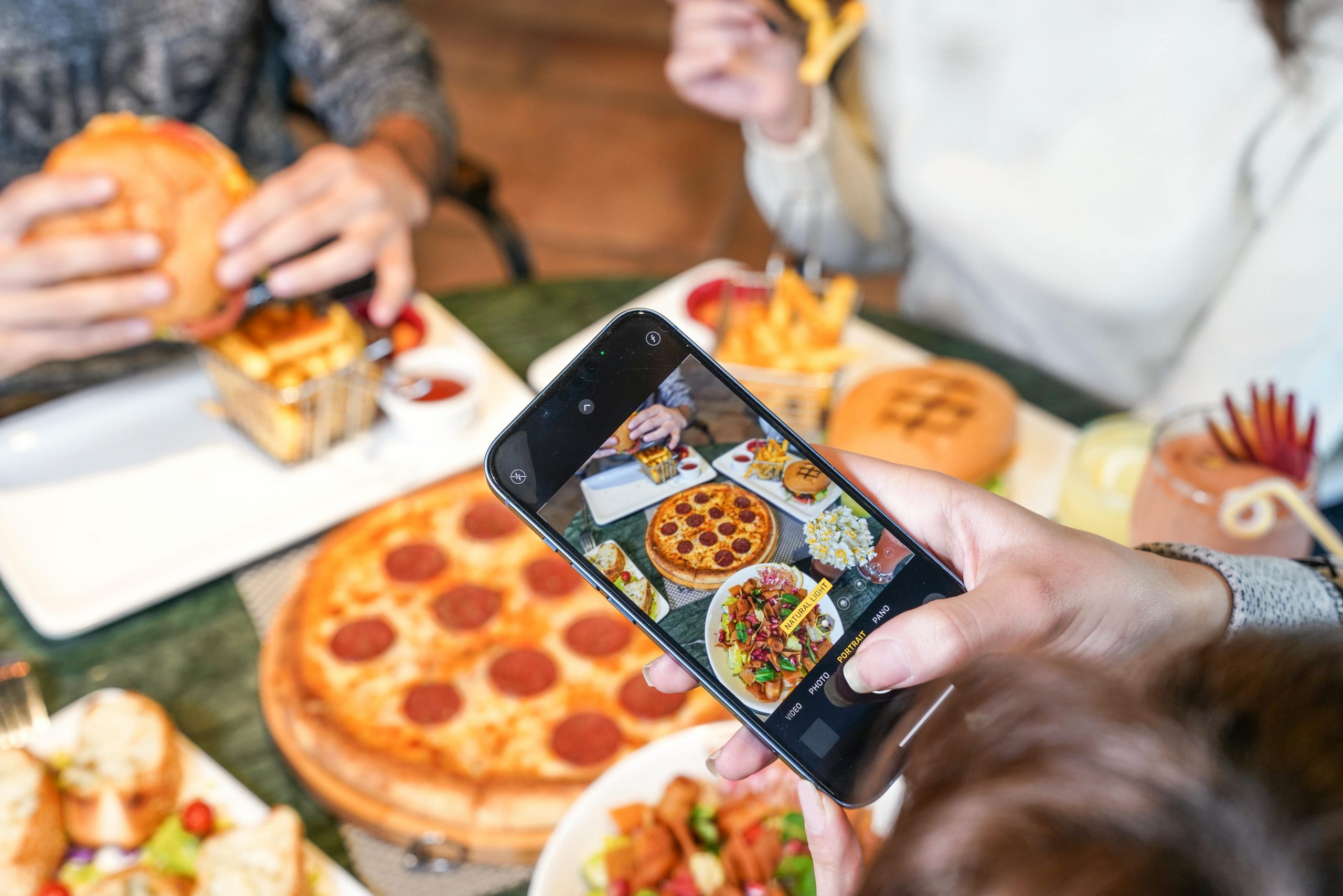
Visual storytelling is central to modern food blogging. A well-composed photograph can convey the texture, color, and vibrancy of a dish more effectively than words alone. Food photography transforms recipes into art, enticing readers to try them and share their own creations. Lighting, props, and styling create mood and narrative, whether showcasing a rustic sourdough loaf dusted with flour or a bright smoothie bowl adorned with tropical fruits. The goal is not perfection—it’s to capture the essence and appeal of the dish, making it feel both inspiring and achievable.
Seasonal ingredients are increasingly celebrated in food blogs. Eating with the seasons ensures peak flavor, supports local farmers, and aligns with sustainable practices. Bloggers often curate recipes around what’s fresh and abundant, offering guidance on selecting, storing, and using produce creatively. For example, spring might feature ramps and asparagus in vibrant salads, while autumn brings pumpkin, squash, and apple-based desserts. Seasonal cooking encourages readers to experiment with natural flavors, fostering a closer connection to the environment and the changing rhythms of the year.
Sustainability is no longer optional in culinary content. Many food bloggers promote eco-friendly practices, such as minimizing food waste, composting scraps, and selecting ethically sourced ingredients. Recipes often include tips for using leftover vegetables, turning day-old bread into croutons or puddings, and repurposing kitchen staples to reduce waste. By sharing these practices, bloggers not only provide practical advice but also cultivate a culture of mindful cooking, emphasizing that food is a precious resource that deserves respect.
Community engagement is another defining feature of food blogs. Comments, social media interactions, and reader-submitted photos foster a sense of connection and collaboration. Readers share modifications, substitutions, and personal experiences, turning the blog into a dynamic space for dialogue and exchange. Some bloggers host live cooking demonstrations, virtual workshops, or challenges that encourage participation and skill-building. This interactive element transforms cooking from a solitary activity into a shared experience, creating bonds among readers across regions and cultures.
Recipe writing itself has evolved to meet the needs of today’s audience. Modern food blogs favor approachable, conversational language that makes even complex dishes feel manageable. Step-by-step instructions, substitution tips, and visual aids help novice cooks build confidence while providing creative freedom for experienced readers. The accessibility of modern recipes democratizes cooking, making it possible for anyone to try dishes that once seemed intimidating or exclusive to professional kitchens.
Food blogs also serve as archives of culinary memory. They preserve family recipes, regional specialties, and seasonal traditions for future generations. Through detailed posts and personal anecdotes, bloggers document not only how to cook but also the stories and emotions behind each dish. This narrative approach transforms recipes into living histories, allowing readers to connect with traditions, honor heritage, and create new memories inspired by the past.
Even with the rise of digital media, the tactile experience of cooking remains central to food blogging. Chopping, stirring, kneading, and seasoning engage the senses and provide a form of mindfulness. Bloggers often highlight these sensory moments, describing textures, aromas, and flavors to help readers immerse themselves in the process. By emphasizing the joy of hands-on cooking, food blogs encourage readers to slow down, savor the experience, and develop a deeper appreciation for the craft.
In addition to recipes and trends, food blogs frequently explore lifestyle topics related to eating. Meal planning, kitchen organization, hosting tips, and shopping guides help readers integrate cooking into their daily lives. Tips for pantry staples, time-saving techniques, or budget-friendly meals make the blog not only inspirational but practical, supporting readers in creating consistent and enjoyable food experiences.
As technology evolves, food blogging continues to adapt. Video content, interactive guides, and live streaming allow readers to see techniques in action and ask questions in real time. Platforms like Instagram Reels, TikTok, and YouTube Shorts have accelerated the spread of viral recipes and cooking hacks, creating a participatory, fast-moving culinary ecosystem. Food bloggers who embrace multimedia approaches often see greater engagement, as visual and interactive elements make cooking more accessible and entertaining.
Ultimately, the appeal of food blogs lies in their ability to combine education, inspiration, and connection. They celebrate both the artistry and the practicality of cooking, offering readers the knowledge and confidence to explore new flavors, experiment with techniques, and share meals with others. Through storytelling, photography, and community interaction, food blogs elevate cooking from a daily task into a meaningful, creative, and social experience.
Food blogs are also forward-looking. Many incorporate discussions of sustainability, innovation, and health trends, guiding readers toward mindful consumption and inventive cooking. They encourage experimentation with plant-based ingredients, alternative flours, and global flavors, reflecting a dynamic food landscape that values creativity, inclusion, and ecological responsibility. In doing so, they prepare readers not just to follow recipes, but to think critically about their culinary choices and the impact of those choices on their lives and the world.
The digital nature of food blogging allows for unprecedented reach. A single recipe can travel around the globe, inspiring thousands to cook, modify, and share. This viral potential amplifies both trends and traditional dishes, creating a rich tapestry of culinary influence. Food blogs act as bridges, connecting home cooks with chefs, readers with cultures, and individuals with community. In essence, they transform the act of eating into a shared human experience, emphasizing that food is as much about relationships as it is about flavor.
Ultimately, a successful food blog embodies curiosity, creativity, and generosity. It invites readers into a world where flavors are explored, techniques are shared, and meals are celebrated. From comforting classics to the latest viral sensation, food blogging captures the full spectrum of culinary expression, showing that there is always something new to try, learn, and enjoy. It reminds us that cooking is an act of love, discovery, and connection, capable of transcending cultural and geographic boundaries.
In the end, food blogs do more than share recipes—they celebrate the human experience. Every post is an opportunity to savor culture, connect with others, and ignite a passion for cooking. They inspire us to roll up our sleeves, gather ingredients, and create something meaningful in our own kitchens. Through storytelling, imagery, and engagement, food blogs invite readers to join a global conversation, one meal at a time. They remind us that the kitchen is a place of exploration, creativity, and joy, and that every dish we prepare has the potential to tell a story worth sharing.
In a world where technology often distances us from daily experiences, food blogs reconnect us to one of life’s most fundamental pleasures. They highlight the beauty of ingredients, the artistry of preparation, and the communal joy of sharing meals. Whether following the latest trend, revisiting a cherished family recipe, or inventing something entirely new, readers are encouraged to immerse themselves fully in the culinary experience. In doing so, they participate in a vibrant, ever-evolving narrative that celebrates the richness of flavor, culture, and human connection.
Food blogs, in essence, are a celebration of life itself. They capture the intersection of tradition and innovation, indulgence and wellness, art and practicality. Through recipes, stories, and shared experiences, they remind us that cooking is a journey—a journey that invites curiosity, sparks creativity, and ultimately brings people together. In the kitchen, as in life, there is always room to explore, experiment, and savor the results. And through every blog post, every recipe, and every shared meal, the modern foodie’s journey continues, rich with flavor, memory, and possibility.
Leave a Reply