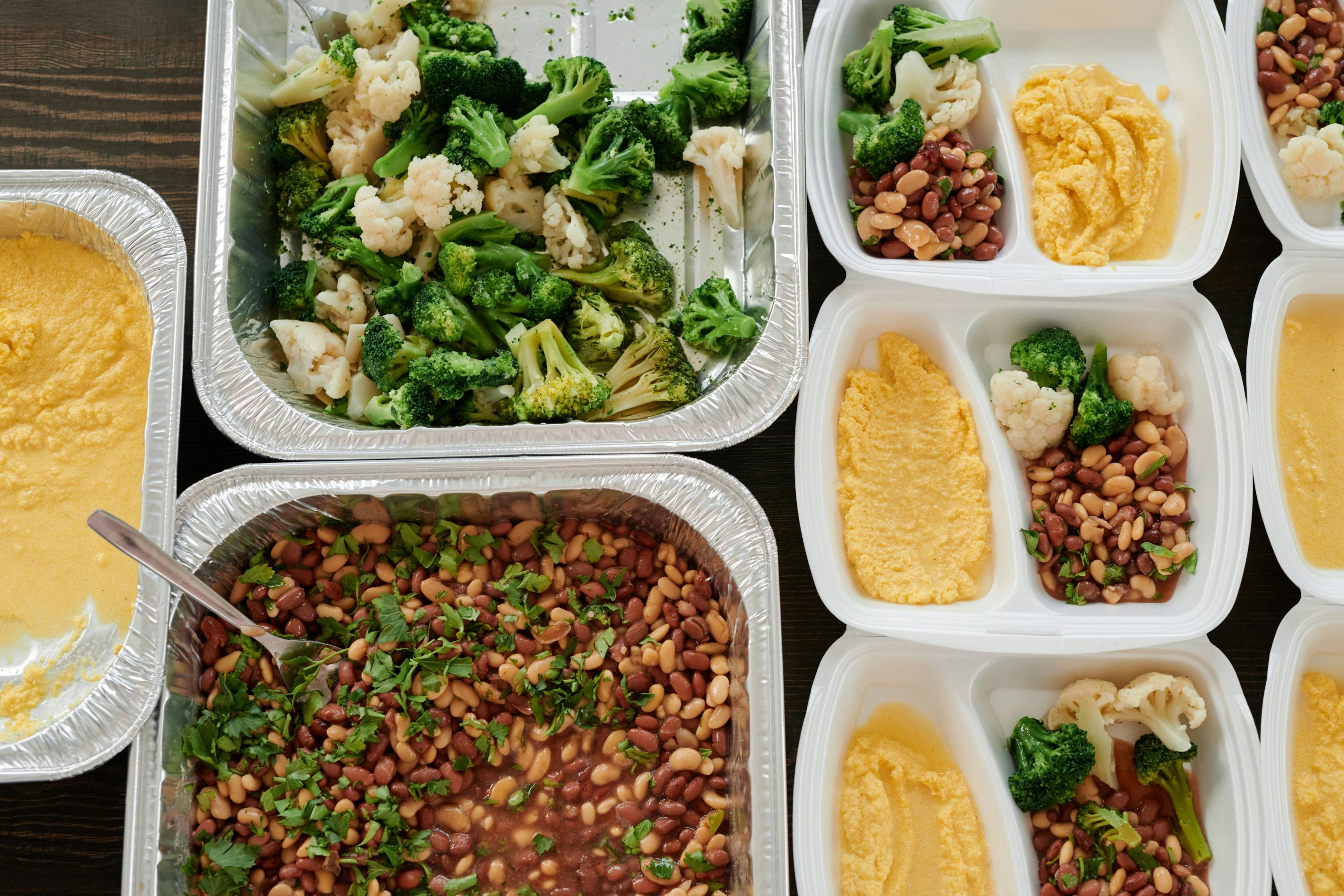
Food has always been an anchor in human life, but in the modern age, it has evolved into an art form, a social statement, and a form of entertainment all at once. The internet didn’t just give us recipes—it created a revolution in how we experience food. Now, a single photograph of a perfectly styled avocado toast can travel the world in seconds, inspiring thousands to recreate it in their own kitchens. Food blogs have become digital dining tables where strangers connect over shared flavors, new techniques, and the joy of trying something different. They’re not just collections of recipes; they’re living journals of what we eat, why we eat it, and how food shapes the moments we treasure.
The magic of a food blog lies in its ability to turn even the most everyday ingredients into a narrative. Take a tomato, for example. On its own, it’s simple enough—but tell the story of its journey from a sun-soaked farm to your kitchen, the way it bursts with sweetness when you slice into it, the rich aroma it releases when simmering in olive oil, and suddenly it’s no longer just produce—it’s an experience. Food bloggers understand that recipes aren’t just about cooking; they’re about translating sensory details into words so vivid that readers can almost taste them. They invite you not only to replicate the dish but to live the moment behind it.
In today’s culinary landscape, food trends come and go like fashion seasons, but each one leaves its mark. Not too long ago, the world was obsessed with whipped coffee, sparked by a viral video trend. Overnight, every food blog seemed to have its own spin on the frothy drink, from vegan versions to matcha twists. Before that, we were captivated by sourdough bread-making, which became a global pastime during lockdowns—complete with homemade starters and endless crumb-shot photos. These trends aren’t random; they reflect our collective mood. In uncertain times, comfort foods like bread rise in popularity. When the weather warms and fresh produce is abundant, lighter, colorful, Instagram-worthy recipes take over. Food blogs play a huge role in amplifying these waves, giving readers a place to learn, experiment, and participate in global conversations through cooking.
But food blogging isn’t just about chasing trends. Many bloggers have carved out a space by championing traditional recipes passed down for generations. These dishes carry a sense of identity, offering a taste of heritage that no trend can replace. A food blogger might share their family’s curry recipe, explaining how the blend of spices tells a story of migration and adaptation. Another might post about a grandmother’s apple pie, made the same way for decades, bringing a sense of comfort that feels timeless. The magic is in the storytelling—the moments when a recipe isn’t just about ingredients but about who we are and where we come from.
One of the reasons food blogs have thrived is their adaptability. While traditional cookbooks often take years to produce, a blog can respond instantly to changes in season, ingredient availability, or reader interest. If strawberries are in peak season, a blogger can publish a strawberry tart recipe within hours, complete with tips on selecting the ripest berries and creative ways to use leftovers. If a certain ingredient suddenly becomes scarce, they can quickly post substitutions, ensuring that readers never feel stuck. This flexibility keeps food blogs relevant and responsive, a trusted companion for home cooks in every situation.
The global reach of food blogs has also introduced readers to ingredients and cuisines they might never have encountered otherwise. Ten years ago, gochujang (Korean chili paste) might have been unfamiliar to many Western cooks. Today, thanks to the influence of Korean dramas, pop culture, and passionate bloggers, it’s a staple in kitchens worldwide. The same goes for spices like sumac, za’atar, and grains like farro or teff. Food bloggers act as culinary tour guides, offering not just recipes but also context, history, and tips for integrating these flavors into everyday meals. This cross-cultural exchange enriches both our plates and our understanding of the world.
The visual side of food blogging has become just as important as the writing. A beautifully photographed dish can stop a reader mid-scroll, tempting them to click and learn more. Bloggers have mastered the art of styling a plate so that it looks irresistible, using lighting, composition, and props to create a mood. Rustic bread might be photographed on a wooden board with a scattering of flour to evoke warmth and homeliness, while a vibrant smoothie bowl might be styled with tropical flowers and bright fruit for an energizing feel. Good food photography isn’t about making the dish look unrealistically perfect—it’s about making it feel alive and inviting, convincing the reader that they can recreate that same magic in their own kitchen.
Food blogging also taps into the growing interest in health and wellness. Readers are looking for recipes that nourish without sacrificing flavor, and bloggers have risen to the challenge by reimagining classics with healthier twists. Comfort foods like mac and cheese are given a boost with whole grain pasta and creamy cauliflower sauce. Desserts feature natural sweeteners like dates or maple syrup instead of refined sugar. Plant-based recipes, gluten-free baking, and low-carb meal plans are no longer niche—they’re central to many food blogs, reflecting the dietary diversity of modern readers. This shift has broadened the audience, as people turn to blogs not just for indulgence, but for everyday meals that fit their lifestyle and goals.
Another fascinating aspect of food blogging is how it fosters community. In the comments section of a popular recipe, you’ll find readers sharing their modifications, posting photos of their results, and offering feedback. This interactivity transforms cooking from a solitary activity into a shared experience. Some bloggers even host virtual cooking classes or live Q&A sessions, turning their readership into a supportive network of home cooks. It’s a reminder that food isn’t just about eating—it’s about connecting, learning, and celebrating together, even across continents.
Sustainability has also become a key theme in modern food blogging. Many bloggers now emphasize reducing food waste, sourcing ingredients locally, and supporting ethical farming practices. They might post recipes for using vegetable scraps in soups or creating creative meals from leftovers. Seasonal eating is encouraged, both for flavor and environmental impact. This approach not only resonates with eco-conscious readers but also inspires practical habits that make a difference. After all, cooking sustainably often means cooking more mindfully, paying attention to every part of the process from farm to fork.
Despite all the changes in technology and trends, the heart of food blogging remains the same: sharing something delicious and meaningful with others. Whether it’s a meticulously researched post on the origins of ramen or a spontaneous late-night recipe for chocolate chip cookies, the joy lies in inviting someone else into your kitchen. That’s why food blogs endure—they’re built on the timeless act of hospitality, reimagined for the digital age. And in a world that can often feel disconnected, the act of cooking and sharing food—whether online or in person—reminds us of what truly matters.
A food blog is not just about feeding the body—it’s about feeding curiosity, creativity, and connection. It’s about capturing the first whiff of bread fresh out of the oven, the laughter that bubbles up during a shared meal, and the pride in mastering a recipe that once felt intimidating. It’s about exploring the endless possibilities of flavor and presentation, and then passing that inspiration on to someone else. In the end, that’s the real recipe for a successful food blog: a generous serving of passion, a pinch of storytelling, a sprinkle of innovation, and a whole lot of heart.
Leave a Reply