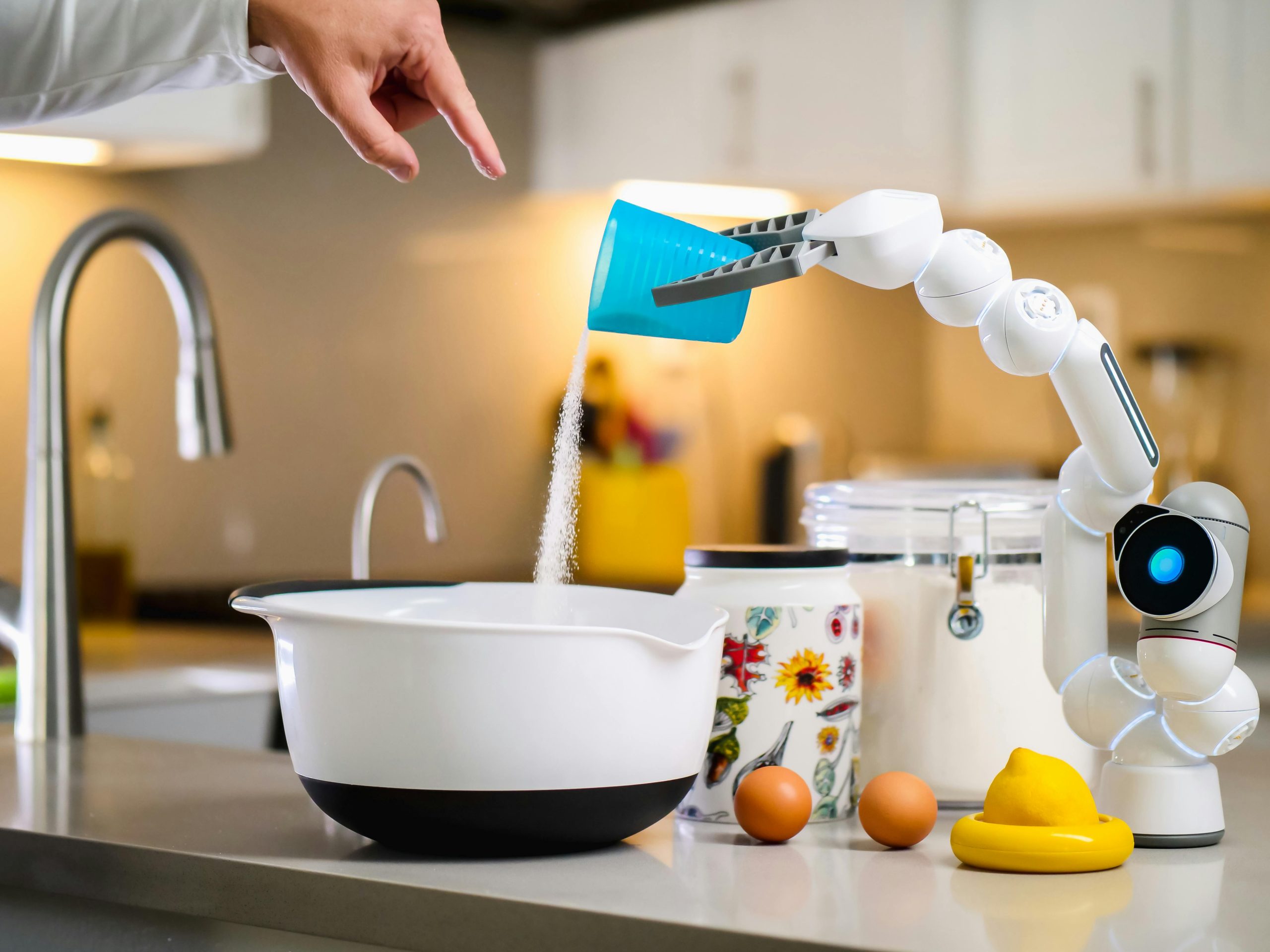
The food industry, traditionally rooted in ancient practices, is experiencing a radical transformation at the hands of technology. In 2025, from the soil where our food grows to the smart kitchens where it’s prepared, tech is in the kitchen and on the farm, fundamentally reshaping our food future. Artificial intelligence (AI), interconnected smart appliances, and innovative agricultural methods like vertical farming are not just futuristic concepts; they are tangible trends already impacting how food is produced, distributed, and consumed, ushering in an era of unprecedented efficiency, sustainability, and personalization.
This technological revolution is driven by pressing global challenges: feeding a growing population, addressing climate change, minimizing waste, and meeting consumer demands for convenience, transparency, and tailored experiences.
1. AI in the Food Chain: From Farm to Fork: Artificial intelligence is perhaps the most pervasive and transformative technology in the food sector: * Precision Agriculture: On the farm, AI-powered sensors and drones monitor crop health, soil conditions, and water needs with unparalleled precision. AI algorithms analyze this data to optimize irrigation, fertilization, and pest control, minimizing resource waste and maximizing yields. Predictive analytics can even forecast harvest times and potential crop diseases. * Supply Chain Optimization: AI is revolutionizing food logistics by predicting demand, optimizing delivery routes, and managing inventory in real-time. This reduces spoilage, minimizes transportation costs, and ensures fresher products reach consumers faster. Blockchain technology, often integrated with AI, enhances traceability, allowing consumers to scan a QR code and see the entire journey of their food, from farm to table. * Food Safety and Quality Control: AI-powered cameras and sensors can detect contaminants, foreign objects, or inconsistencies in food products during processing, ensuring higher safety standards and reducing waste from defective batches. * New Product Development & Flavor Creation: AI algorithms can analyze vast datasets of flavor compounds, consumer preferences, and ingredient interactions to suggest novel flavor combinations or formulate new products, accelerating the R&D process for food manufacturers. This can range from optimizing existing recipes to creating entirely new taste profiles for plant-based alternatives. * Personalized Nutrition: As explored previously, AI is central to personalized nutrition, analyzing genetic data, microbiome results, and real-time biometric feedback to generate bespoke dietary recommendations and meal plans.
2. Smart Kitchen Appliances: The Connected Culinary Hub: Our home kitchens are evolving into intelligent, interconnected hubs, simplifying cooking and reducing waste: * Smart Refrigerators with Inventory Management: Beyond just keeping food cold, these fridges can identify contents, track expiration dates, suggest recipes based on available ingredients, and even automatically add items to a digital grocery list or order groceries online. * AI-Powered Ovens and Cooktops: These appliances can automatically adjust cooking times and temperatures based on the food being prepared, read barcodes on packaged meals for precise cooking instructions, and even learn user preferences. Some integrate cameras to monitor food doneness. * Automated Cooking Devices: Robotic kitchen assistants capable of stirring, chopping, and even assembling complex meals are emerging, freeing up time for home cooks or assisting those with limited mobility. * Smart Scales and Food Scanners: Devices that can identify ingredients, calculate nutritional information, and help with portion control, all synced to health and wellness apps. * Voice-Activated Assistants: Seamlessly integrated into kitchen appliances, allowing for hands-free recipe navigation, timer setting, and control of other smart devices.
3. Vertical Farming: Reimagining Agriculture for Urban Futures: Vertical farming, the practice of growing crops in vertically stacked layers in controlled environments (often indoors), is a game-changer for urban food security and sustainability: * Space Efficiency: It allows for massive food production in a small footprint, ideal for urban areas where arable land is scarce. This dramatically reduces transportation distances from farm to plate. * Resource Conservation: Vertical farms typically use hydroponics or aeroponics, requiring up to 95% less water than traditional farming. They also eliminate the need for pesticides and herbicides due to controlled environments. * Year-Round Production: Unaffected by weather, vertical farms can produce fresh, local produce consistently throughout the year, ensuring reliable supply regardless of climate. * AI and IoT Integration: These farms are highly automated, using AI to monitor everything from nutrient delivery and pH levels to light spectrums and humidity. IoT sensors collect vast amounts of data, allowing for precise optimization of growing conditions for specific crops, leading to faster growth and higher yields. * Crop Diversification: While leafy greens and herbs initially dominated, vertical farms are increasingly expanding to strawberries, tomatoes, and experimenting with a wider range of specialty crops, though energy costs for lighting remain a challenge for some.
Impact and Future Outlook:
The integration of tech into food is fundamentally altering how we interact with what we eat. It promises greater efficiency, reduced waste, enhanced food safety, and unprecedented personalization. For consumers, this means access to fresher, more transparently sourced food, tailored nutritional advice, and simplified cooking. For the industry, it means optimized operations, reduced environmental impact, and new avenues for innovation.
Challenges include the high initial investment for some technologies (e.g., vertical farms, advanced smart kitchens), data privacy concerns, and the need for public education and trust. However, as these technologies mature and become more affordable, their impact on our food system will only grow. In 2025, the synergy of AI, smart appliances, and vertical farming is not just shaping trends; it’s laying the foundation for a more intelligent, sustainable, and responsive food future.
Leave a Reply