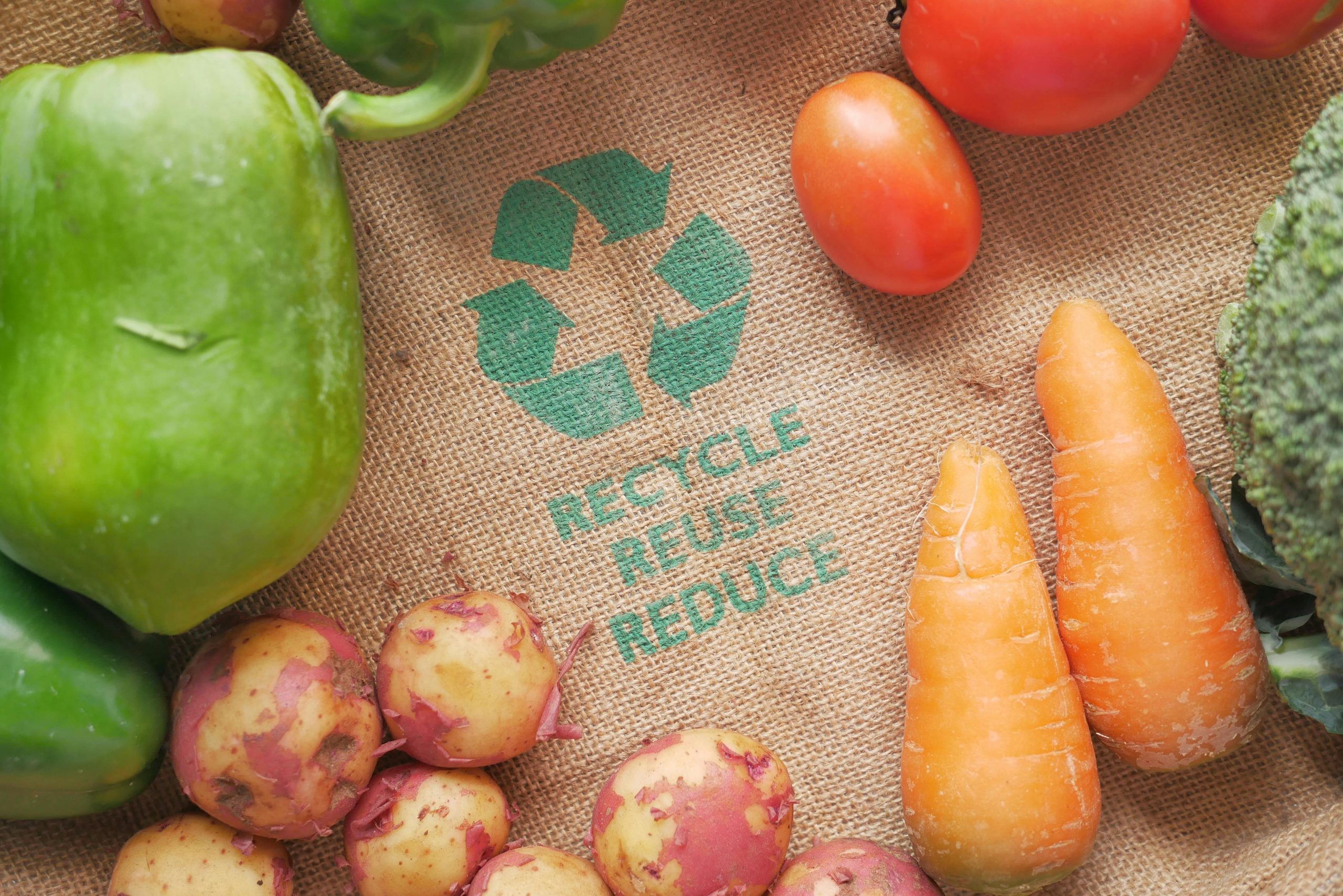
The modern consumer is more informed and ethically driven than ever before. In 2025, the prevailing food trend isn’t just about what tastes good or what’s convenient; it’s about making choices that align with one’s values. This has propelled conscious consumption to the forefront, manifesting in a widespread commitment to zero waste, ethical sourcing, and the principles of a circular economy within the food system. For a generation acutely aware of environmental degradation and social inequality, every meal is an opportunity to make a positive impact, transforming the act of eating into a powerful act of activism.
This shift is driven by growing concerns over climate change, resource depletion, food insecurity, and labor practices. Consumers are demanding transparency and accountability from food producers, retailers, and even home cooks. The goal is to move away from the linear “take-make-dispose” model of food production and consumption towards a more regenerative and restorative approach.
1. The Zero-Waste Kitchen and Upcycled Ingredients: Food waste is a monumental problem globally, contributing significantly to greenhouse gas emissions and wasting valuable resources. The zero-waste movement in food aims to eliminate waste at every stage: * Home-Level Reduction: Conscious consumers are adopting practices like meticulous meal planning, proper food storage (to extend shelf life), creative use of leftovers, and composting food scraps. Blogs and social media are rife with tips for “root-to-stem” cooking (using all edible parts of vegetables) and “nose-to-tail” eating (for meat-eaters, utilizing all parts of an animal). * Upcycled Food Products: A booming industry trend is the creation of “upcycled” foods, which transform ingredients that would otherwise be discarded into new, marketable products. Examples include: * Flour made from spent grain (from brewing beer). * Snack bars made from discarded fruit pulp from juicing. * “Ugly” produce (cosmetically imperfect fruits and vegetables) diverted from landfills and sold at a discount or incorporated into processed foods like sauces and soups. * Protein powders from misfits or by-products of other food processes. This trend not only reduces waste but also creates new revenue streams and innovative ingredients.
2. Ethical Sourcing and Transparency: Consumers want to know where their food comes from, how it was produced, and whether those involved in its production were treated fairly. * Fair Trade Certification: Continued growth in demand for products (coffee, chocolate, spices, bananas) certified as Fair Trade, ensuring equitable wages and safe working conditions for farmers in developing countries. * Regenerative Agriculture: A shift from “sustainable” to “regenerative” farming practices, which actively aim to restore soil health, increase biodiversity, improve water cycles, and sequester carbon. Consumers are seeking out products labeled as “regeneratively grown” or from farms practicing these methods. * Local and Seasonal: The perennial trend of buying local and seasonal produce is amplified by conscious consumption, as it reduces food miles (and thus carbon emissions) and supports local economies. Farmer’s markets, CSAs (Community Supported Agriculture), and farm-to-table restaurants are increasingly popular. * Animal Welfare Standards: For those who consume animal products, there’s a growing demand for transparency around animal welfare, including pasture-raised, free-range, and certified humane labels. * Ingredient Traceability: Technologies like blockchain are being used to provide consumers with unprecedented transparency, allowing them to track an ingredient’s journey from its origin to their plate.
3. The Circular Economy in Food: The ultimate goal of conscious consumption is to move towards a circular food system, where waste is minimized, resources are continually reused, and natural systems are regenerated. This involves: * Designing Out Waste: Companies are rethinking packaging (e.g., edible packaging, compostable materials, reusable containers, refill stations) and product design to minimize waste from the outset. * Resource Recovery: Implementing systems to capture and reuse resources. This could include water recycling in food processing, capturing methane from food waste for energy (anaerobic digestion), or using food byproducts as animal feed or fertilizer. * Restorative Practices: Investing in practices that regenerate the environment, such as reforestation, water conservation projects, and biodiversity promotion within agricultural landscapes. * “Product-as-a-Service” Models: While less common in food, this could involve systems like shared cooking appliances or meal kit services that offer reusable packaging and pick-up services for empty containers.
Impact and Future Outlook:
The conscious consumption movement is reshaping not just consumer behavior but also corporate strategies. Food companies are under increasing pressure to demonstrate their commitment to sustainability and ethics. This is leading to innovation in packaging, waste reduction technologies, and responsible sourcing practices.
Challenges include the cost premium often associated with ethically sourced or zero-waste products, the complexity of verifying claims (“greenwashing”), and the need for scalable infrastructure for circular economy initiatives (e.g., widespread composting facilities, robust recycling systems). However, the momentum is undeniable.
In 2025, conscious consumption is more than a trend; it’s a fundamental shift in values, positioning food as a powerful tool for positive change. By choosing products that align with zero-waste principles, support ethical sourcing, and contribute to a circular economy, consumers are actively shaping a future where delicious food is not only good for us but also good for the planet and its people. This mindful approach to the plate is defining the next era of food culture.
Leave a Reply